

Air Purifier
Today, using an air purifier has become essential for removing airborne particles and pollutants, especially in large cities. Below, you'll find seven key considerations for choosing the right air purifier, along with the best purchase prices, backed by DamaTajhiz's expertise since 2004.
Professional Guide to Choosing and Pricing Air Purifiers
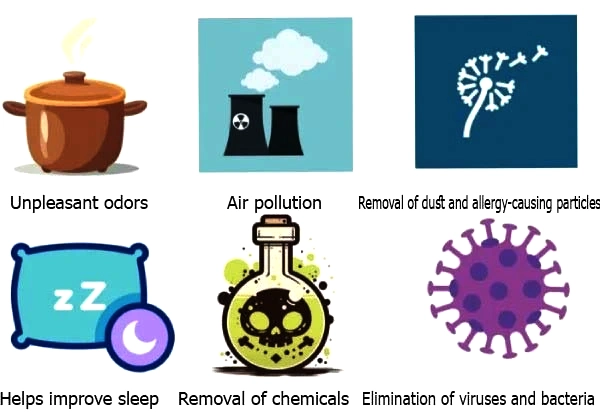
An air purifier is designed and manufactured to use multiple filtration stages in order to remove airborne pollutants such as suspended particles (smaller than 2.5 microns), carbon dioxide, bacteria, some viruses, germs, disease-causing or allergenic particles, dust, gases, chemicals, unpleasant odors, and more—providing clean and healthy air.
Air purifiers are produced in various types including desktop, floor-standing, wearable (neck-type), and car air purifiers by different manufacturers in multiple models, each suitable for a specific room size.
The air quality in major cities such as Tehran, Baqdad, Muscat, Baku, Ahvaz, Riyadh, Erbil, and others is becoming increasingly polluted, leading to respiratory infections and many diseases, especially among children, teenagers, and the elderly.
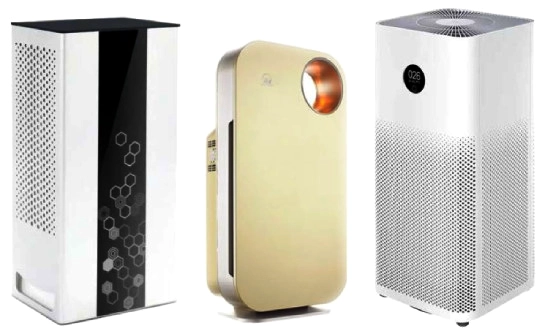
Although purifying city-wide air is difficult, indoor air in apartments and homes can be effectively cleaned using air purifiers with larger filters and more complete filtration stages.
Today, using air purifiers is beneficial not only for people with asthma or respiratory allergies but also for healthy individuals—particularly children and seniors—to protect the immune system and prevent illness.
The effectiveness of air purifiers becomes evident after a few months of use, when you can clearly see the amount of pollution trapped in the filters.
DamaTajhiz & Co.; A Specialized Guide for Selecting and Pricing HVAC Systems and Pool Equipment in Iran, Iraq, and the Middle East (Since 2004)
7 Key Tips for Choosing and Buying an Air Purifier
When selecting an air purifier, please consider the following professional points:
- Pay attention to the dimensions and approximate size of the intended space.
- Select the purifier according to the room size based on the product’s technical specifications.
- The number of filters, filtration stages, and filter surface area are very important.
- In addition to HEPA and activated carbon filters, other filters such as pre-filters, electrostatic filters, and UV lamps also play an important role.
- Larger units with bigger filter surfaces offer stronger and more effective purification.
- Do not worry about electricity consumption; most air purifiers consume only 20 to 40 watts.
- Breathing polluted air is especially dangerous for children and the elderly, so using air purifiers is highly recommended.
Most Affordable Air Purifier Price List for 2026
This section presents the most up-to-date and economical air purifier prices for 2025, including special discounts, technical specifications, and original warranties.
You can compare various models from well-known brands and enjoy a confident and optimized purchase experience at Damatajhiz & Co..
Please note:
| Air Purifier Brand | Type of Air Purification | Air Purifier Price (USD) |
| Pars Khazar Air Purifier | Home / Office | 117 to 565 |
| Alma Prime Air Purifier | Home / Office | 169 to 549 |
| Automobile | 58 | |
| Raps Air Purifier | Home / Office | 380 |
| Nice Air Purifier | Home / Office | 340 to 670 |
| Sam Air Purifier | Home / Office | 228 |
| Blueair Air Purifier | Home / Office | 268 to 2134 |
| Ozone Air Purifier | Home / Office | 506 to 710 |
| LifeAir Air Purifier | Home / Office | 900 to 1550 |
| 3M Air Purifier | Home / Office | 140 |
| Boyman Air Purifier | Home / Office | 164 |
The Importance of Using Air Purifiers at Home and in the Workplace
Nowadays, using air purifiers at home and in the workplace, especially in large cities, is considered essential and unavoidable.
According to ISNA, quoting the Head of the Air Health Department at the Ministry of Health, in recent years major cities such as Tehran, Ahvaz, Mashhad, Karaj, and Isfahan have recorded the highest air pollution levels compared to other cities in Iran, with fewer than 10 clean-air days per year.
Based on statistics from Iran’s Ministry of Health, unfortunately more than 20,000 deaths were attributed to air pollution in Iran in the year 1400, of which 6,400 cases occurred in Tehran alone.
The Ministry of Health also announced that a significant portion of Tehran’s air pollution is caused by fossil fuels and non-standard gasoline used in vehicles, which is widely distributed at fuel stations. Unfortunately, only about 20% of the gasoline consumed daily in cities meets the Euro 4 standard.
In addition, suspended and hazardous particles such as construction dust, tire friction on asphalt, and other physical activities further increase air pollution levels in major cities. Therefore, air puridiers are among the most essential pieces of home and office equipment.
DamaTajhiz HVAC Co.; Thousands of Products for Thousands of Projects Across the Middle East (since 2004)
Why Should We Use an Air Purifier?
The reasons for the necessity of using and purchasing an air purifier are as follows:
- Every year, millions of people worldwide suffer premature death due to the effects of air pollution.
- According to studies published in The Lancet Science Magazine, more than 6 million people died in 2015 alone as a result of breathing polluted air, mainly in large and heavily polluted cities.
These deaths occur due to inhalation of suspended particles and carbon dioxide, leading to diseases such as asthma, bronchitis, respiratory allergies, shortness of breath, high blood pressure, heart palpitations, and heart or brain attacks. - Based on studies from Tehran’s Comprehensive Traffic and Transportation Plan, more than 9,200 tons of various pollutants are released into Tehran’s air every day, mainly from vehicles.
- According to a 2007 United Nations report, major Iranian cities ranked 117th out of 133 countries in the global air quality index.
- According to the World Health Organization, air pollution in Tehran alone caused approximately 4,500 deaths in 2013, mostly during autumn and winter due to inhalation of suspended particles. These particles enter the bloodstream within just 20 minutes, leading to coronary artery blockage, high blood pressure, and ultimately heart attacks.
- Studies show that air pollution hardens arterial walls, increasing blood pressure, particularly affecting the elderly and individuals with hypertension, initially causing headaches and later leading to heart and brain strokes.
The Importance of Using Air Purifiers in Large Cities
As you know, living in metropolitan areas comes with many challenges, one of the most significant being air pollution.
Although it may not be possible to quickly clean city-wide air, effective and approved air purifiers can be used in enclosed environments such as homes, offices, and medical facilities.
There is no doubt that the quality of the air we breathe plays a crucial role in our health, which is why this issue must be taken seriously.
The best solution in large cities is to use air purifiers equipped with suitable filters to remove suspended particles and pollutants, thereby purifying the air in our living spaces.
As a result, the need for air purifiers (Air Purifier) at home and in the workplace is increasingly felt. However, due to the wide range of available options, it is essential to become familiar with the features and capabilities of different models to make the right choice.
It is also worth noting that air pollution reduces learning levels among students and negatively affects employee performance in office environments.
A Professional Overview of Air Purifier Performance
Air purifiers absorb harmful and suspended particles, remove polluted ions, and eliminate dangerous and toxic gases such as O3, SO2, NO2, CO, and CO2, thereby improving indoor air quality.
In addition to removing harmful particles, air purifiers prevent the growth of fungi and mold and significantly reduce asthma and allergy attacks. (If you have ever observed filter contamination after several months of use, you will fully understand the importance of these devices.)
Generally, ambient air is drawn into the purifier by a fan and passes through high-quality filters, resulting in clean, fresh, and healthy air.
"What Particles Do Air Purifiers Remove?"
What Is a Home Air Purifier?
Due to increasing air pollution in large cities, air purifiers have become essential for homes, offices, and medical centers.
Home air purifiers effectively remove bacteria, germs, viruses, fungi, pollen, pollutants, and unpleasant odors such as cigarette smoke, providing clean and healthy air.
When using air purifiers indoors, it is recommended to install double-glazed or UPVC windows to prevent polluted outdoor air from entering.
Types of Air Purifiers
Air purifiers are available in various types including home, medical, and industrial models. You can consult DamaTajhiz & Co. sales experts to choose the most suitable option.
Home air purifiers typically use multiple porous filters and UV lamps for air disinfection.
A) Desktop Air Purifier
Desktop air purifiers feature stylish designs and compact dimensions, making them suitable for use in homes and offices with proper air circulation.

B) Floor-Standing Air Purifier
Floor-standing air purifiers are generally larger and suitable for homes, offices, companies, and various facilities.

Most air purifiers used in residential, office, and medical environments belong to this category.
C) Portable Air Purifier
Portable or neck-worn air purifiers can be worn around the neck and provide clean, oxygen-rich air with negative ions around the nose and mouth.
These devices allow you to safely carry out daily activities even during periods of high air pollution.

D) Car Air Purifier
Due to the higher level of air pollution on city streets, many people prefer to avoid breathing polluted urban air while driving. In such cases, using a car air purifier is highly recommended.
The car air purifier can be placed on the dashboard or center console and powered either through the car cigarette lighter or by using a battery.
A car air purifier allows you to enjoy clean air inside your vehicle, travel comfortably in polluted urban conditions, and carry out your daily activities with peace of mind.
Please note that car air purifiers should not be exposed to direct sunlight or excessive heat.

As mentioned earlier, given the importance of breathing clean and healthy air, and the presence of pollutants, particulate matter, soot, carbon monoxide, and carbon dioxide in major cities, the use of air purifiers in homes and workplaces is no longer a choice, but an unavoidable necessity.
DamaTajhiz HVAC Inc.; Guide to Choosing and Buying HVAC Systems in the Middle East (Since 2004)
Internal Filters and Filtration Stages of Home Air Purifiers
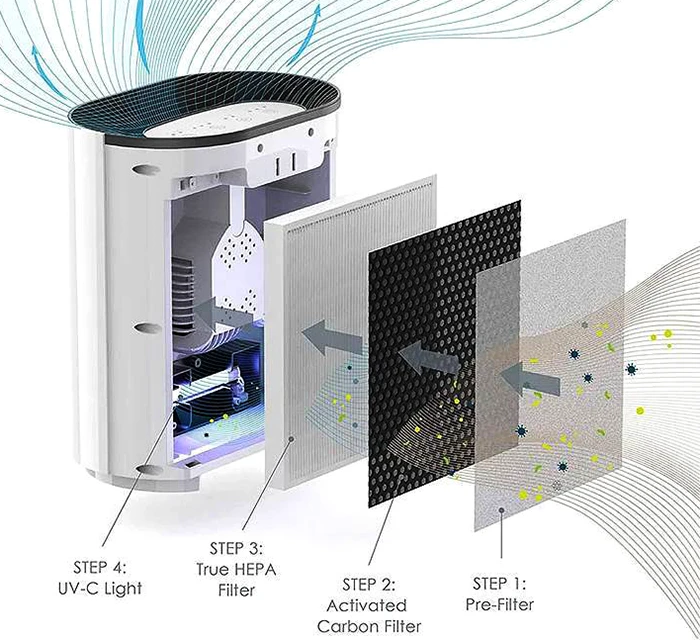
The internal filters used in air purifiers include the following:

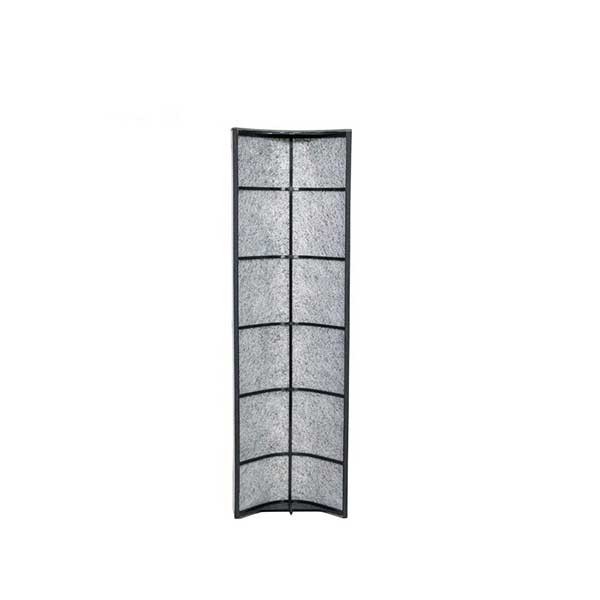
Pre-Filter
The pre-filter is washable and captures both coarse and fine particles such as lint, pet hair, airborne particles, and allergens.
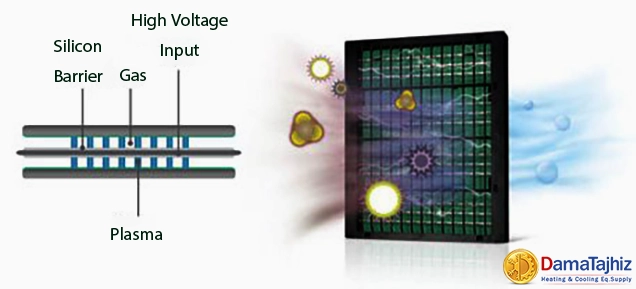
Plasma Filter (ESP)
The plasma filter works using electrostatic charge to attract airborne particles.
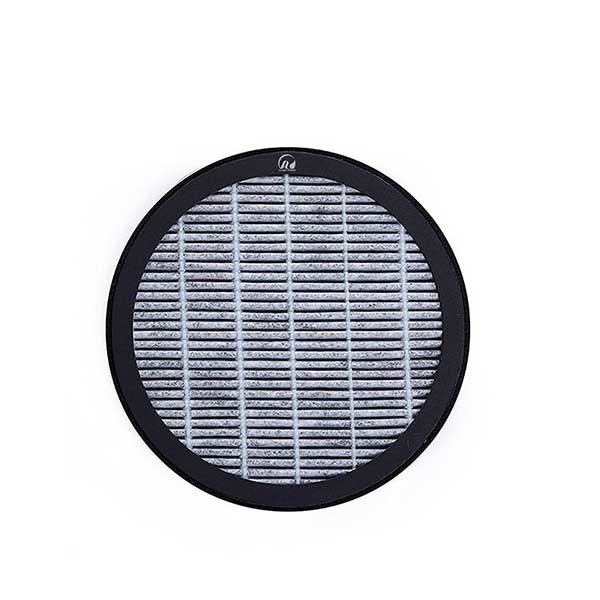
Activated Carbon Filter
The activated carbon filter features a very large surface area and absorbs harmful gases such as formaldehyde, H2S, and NH3, as well as odors and chemical pollutants like cigarette smoke, sprays, and pet odors.
Activated carbon reacts with oxygen, which enhances its pollutant absorption capability.
Due to its environmental compatibility, activated carbon is one of the best options for removing chemical gases and unpleasant odors.

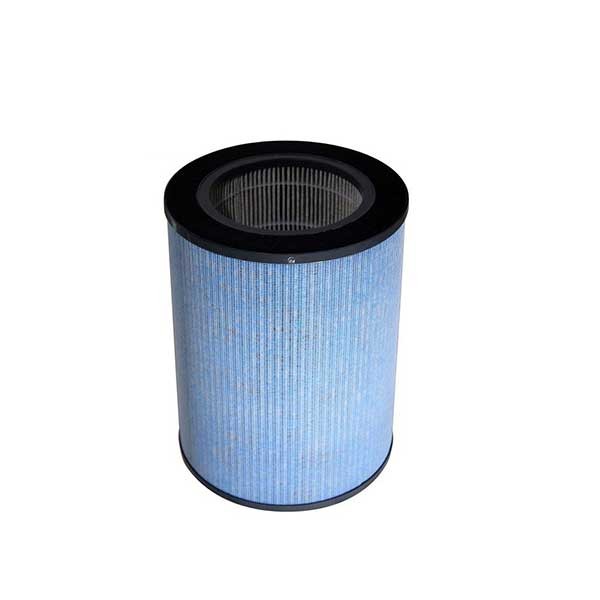
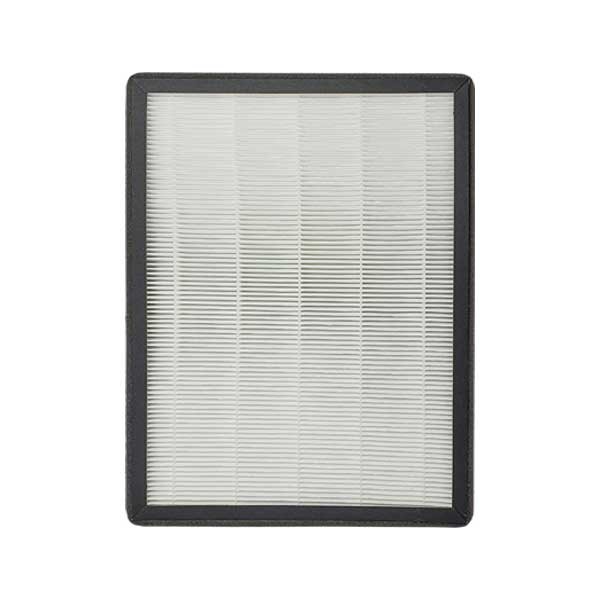
HEPA Filter
The term HEPA stands for High Efficiency Particulate Arresting.
HEPA filters are capable of removing more than 97.99% of airborne pollutants, resulting in cleaner and clearer air.
The performance of a HEPA filter depends on its thickness and fiber diameter.
This filter is widely used in hospitals, operating rooms, and clean rooms due to its ability to capture bacteria, viruses, and particles smaller than 0.2 microns.

Ultraviolet (UV) Lamp
The UV lamp in an air purifier disinfects the air and eliminates microorganisms such as bacteria, viruses, and fungi.
With a wavelength of 254 nm, UV lamps can destroy viruses up to 97.6% effectively.

HEGA Filter (Photocatalyst)
The HEGA filter, also known as titanium dioxide or photocatalyst (TiO2), is made from a semiconductor material.
Used in combination with UV light, this advanced filter absorbs harmful gases and chemical vapors such as benzene and prevents virus activation.

Humidifying Filter
The humidifying filter increases indoor humidity levels.
It significantly improves air quality during winter and in dry climates.
This filter helps reduce symptoms caused by dry air, such as itching, dry eyes, and coughing.
In most air purifiers, this filter is washable.

Negative Ion Generator
Most airborne pollutants carry a positive charge, while negative ions are negatively charged.
This causes pollutants to clump together, become heavier, and settle out of the air.
Negative ions also have a refreshing and beneficial effect on the respiratory system.

- Note: Some air purifiers are equipped with Nano Plasma filters instead of HEPA and HEGA filters. According to manufacturers, these filters usually do not require annual replacement.
Using nano technology, this filter enables electrical absorption of allergen particles and airborne soot inside the air purifier.
Nano particles are powerful ions created from water molecules and have a long lifespan. By absorbing allergen particles for deodorization and pollutant removal, they are capable of penetrating curtain fibers, furniture, and even room corners.
In addition, nano particles originate from condensed moisture present in the air and do not require a water source for generation inside the air purifier. As a result, once produced by the generator, nano particles are dispersed throughout the environment along with the airflow.
It should be noted that despite the advantages of nano filters, their presence has led to a significant increase in the price of air purifiers equipped with this technology.
DamaTajhiz & Co.; Providing HVAC Systems and Equipment Across the Middle East (since 2004)
When Should Home Air Purifier Filters Be Replaced?
One of the most important factors in the proper operation of an air purifier is paying attention to the filter replacement schedule.
With the drop in temperature from late autumn, the occurrence of temperature inversion, and the falling of tree leaves in December, natural air purification by trees practically stops until the end of winter.
The best time to replace home air purifier filters in cities such as Tehran, Isfahan, and Arak is early December each year. (Nano filters do not require annual replacement.)
When using a home air purifier to prevent polluted air from entering the space, it is recommended to keep all doors and windows closed and use airtight UPVC windows.
Due to the presence of greasy particles in kitchen air, it is advisable to avoid placing home air purifiers near kitchens, as grease particles may clog the pores of the device’s filters.
Specifications and Replacement Time Table for Air Purifier Filters
Home air purifiers are lightweight, portable, occupy minimal space, operate quietly during nighttime rest, and consume low electricity while converting polluted air into clean and refreshing air.
Most air purifiers are equipped with timers and automatic fan speed control, allowing users to schedule on/off times throughout the day.
It should be noted that air purifiers have no effect on heating or cooling indoor air. Although the air purification process is not physically tangible like heating or cooling, and air quality improvement cannot be visually observed, the removal of suspended particles and pollutants can be measured using a Particle Counter air quality tester. Additionally, improved health conditions and pollutant buildup on filters can be observed within less than two weeks.
| Filter Type | Filter Material | Filtration Capability | Washable | Filter Lifespan |
|---|---|---|---|---|
| Primary Filter (Pre-filter) |
Galvanized aluminum metal mesh | Captures suspended solid particles in the air with a diameter of 1 to 2 mm | Yes | Washable |
| Carbon Filter | Wood, charcoal, fruit shells such as coconut or walnut | Prevents mold and fungus growth and removes chemical gases and unpleasant odors from the air | No | 1 year |
| HEPA Filter | Pleated fiberglass paper with sealed wooden, metal, or plastic frame | Removes bacteria, pollutants, viruses, dust, and all allergenic particles down to 0.3 microns | No | 2 years |
| UV Filter | Ultraviolet (UV) lamp | Eliminates pathogenic particles, viruses, bacteria, and more | No | Until the UV lamp burns out |
| HEGA Filter (Photocatalyst) | Titanium dioxide semiconductor material | Absorbs harmful gases and chemical vapors such as benzene and vehicle pollutants | No | 2 years |
| Nano Plasma | Condensed moisture within the air using nano technology | Electrical absorption of allergen particles and airborne soot with deodorizing properties | No | 3 to 5 years |
DamaTajhiz HVAC Inc.; The Best Prices and Reputable Brands of HVAC Equipment in the Middle East (Since 2004)
Buying a Suitable Air Purifier
Purchasing a suitable air purifier in cities with high air pollution levels and large populations is essential for everyone, especially for those living in city centers and crowded areas, as well as families with young children.
The pollutants present in such air can be extremely harmful to people with heart and lung diseases, the elderly, pregnant women, children, and teenagers, and may lead to numerous health issues and complications.
To choose and buy an air purifier, the first step is to determine the appropriate type of air purifier based on the size (area) of the space where it will be used.
At the specialized DamaTajhiz & Co. collection, comprehensive technical information on various air purifiers from reputable brands, all with original warranties, is provided to help you enjoy a smart, optimal, and confident purchasing experience.
✅ Thank you for your valuable time and attention in reviewing the above information. Should you require further details or prompt answers to your questions, please contact the sales experts of DamaTajhiz Specialized Corporation during business hours before selecting the required air purifier between different types.
Tel: +98-021-88822550
+98-021-86071814
+98-930-288-0251
Air Purifier Price
There are various types of air purifiers available on the market with different levels of quality and pricing, and you certainly know that a good, high-quality, and efficient device cannot be purchased at a very low price.
However, you do not need to spend an excessive amount to buy an air purifier either, as all air purification devices offered by the specialized DamaTajhiz collection are reasonably priced, and consumer-desired discounts have already been taken into account.
How to Use an Air Purifier
To become familiar with how different air purifiers work, please pay attention to the following important points:
- After purchasing and receiving your air purifier, simply remove it from the box, place it in a suitable location, and plug the device into a power outlet.
- In some air purifier models, the filters must be removed from their protective plastic covers before installation.
Therefore, before turning on the device, open the cover and make sure there is no plastic wrapping around the filters, especially the activated carbon filter and the HEPA filter. - The appropriate installation location for an air purifier is usually away from bathrooms, kitchens, and not near exhaust fans or similar equipment.
Benefits of Buying an Air Purifier
In general, using an air purifier provides several benefits and is highly beneficial for human health.
Some of the key advantages of using and purchasing an air purifier include:
- Reduction of respiratory diseases and asthma:
In various environments, especially where elderly individuals and children with weaker immune systems are present, air purifiers help prevent respiratory illnesses and reduce airway inflammation by minimizing airborne allergens. - Elimination of unpleasant odors:
Many odors caused by paint, cooking, smoking, pets, office activities, workshops, and more can trigger respiratory problems and allergies. Using an air purifier helps prevent these issues. - Removal of pollutants and chemical gases:
Air purifiers equipped with high-quality filters are capable of removing substances such as ammonia, chlorine, and phthalates from indoor air, which may be released by household cleaning products like glass cleaners and similar items.
Additionally, various chemical gases such as nitrogen dioxide and carbon monoxide can enter indoor environments from outside and cause illnesses such as Alzheimer’s disease. Using air purifiers can help prevent these risks.
Impact of Air Pollution on Heart Diseases
To better understand the effects of air pollution on heart diseases and other health issues, please consider the following points:
- Due to the noticeable impact of air pollution on increasing respiratory and cardiovascular diseases, asthma, allergies, chronic sinusitis, and more in large cities, using efficient air purifiers significantly helps treat these conditions by providing clean, healthy, and refreshing air.
- Without an air purifier, even inside homes in large polluted cities, each child inhales suspended particles and toxic substances equivalent to several cigarettes per day.
- Urban air pollution is mainly caused by pollutants emitted from vehicles, industrial units, and similar sources. Since most of these pollutants are invisible to the naked eye, people tend to pay less attention to them.
- The human eye cannot detect suspended particles smaller than 10 microns. Therefore, most pollutants such as bacteria and viruses are invisible and can enter the lungs and bloodstream through breathing, leading in the short term to blocked arteries, headaches, increased blood pressure, and serious harm to human health.
- Filters used in air purifiers, such as HEPA filters, activated carbon filters, and UV lamps, are capable of removing and absorbing fine particles like dust, smoke, and chemical substances that are invisible to the eye.
- Some air purifiers also feature a technology called electric attraction, which is used to break down air molecules.
Electrostatic precipitators, electronic filters, and negative ion generators utilize this method in air purification.
Features of the Best Air Purifier
If an air purifier has the following features, it can be considered a suitable choice. Please pay attention to the points below:
- Low power consumption and quiet operation
- Equipped with HEPA, activated carbon, and pre-filters
- Disinfection capability along with an attractive design
- Equipped with air quality and pollution detection sensors
- Reasonable price and reliable after-sales service (for filter replacement and support)
Placement and Installation of an Air Purifier
One of the most common questions among buyers of air purifiers concerns how to install the device.
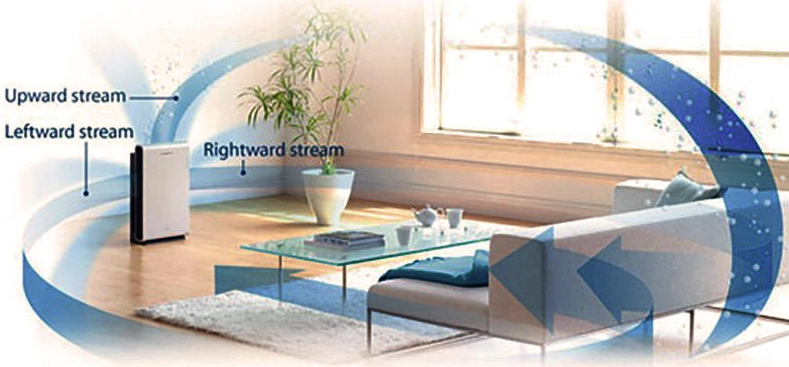
In response, it should be noted that installing an air purifier is very simple. The device should be placed in a suitable location (at a height of about 1 meter from the floor and at least 60 cm away from walls) to allow proper air circulation around it.
If your home has a fireplace, during periods of air pollution—even when UPVC double-glazed windows are fully closed—the air pollution sensor of the purifier may activate automatically and increase the fan speed. This happens because polluted cold air can enter the home through the fireplace chimney (when it is not in use).
Therefore, it is recommended to place the air purifier between the fireplace and the living room windows.
Within the air purifier category of the DamaTajhiz HVAC Co. reference collection—which is the first and most visited online marketplace for HVAC and building equipment in the Middle East (since 2003), according to Alexa.com data—you can easily review concise and comprehensive product descriptions and purchase your desired unit at the most competitive prices (best price guaranteed), with full confidence in authentic warranty and after-sales service.
Major Sources of Air Pollution
These sources include:
- Primary pollutants such as lead particles, carbon monoxide, soot, PM10 suspended particles, nitrogen dioxide, sulfur dioxide, and ozone, which can cause asthma, respiratory diseases, and increased lung infections, and are considered major contributors to air pollution.
- Asbestos, used in brake pads and clutch linings, increases resistance to friction and is considered a significant cause of cancer.
Although its industrial use has been banned for some time, asbestos levels in the air of major cities remain noticeable due to lack of compliance by some industries, contributing to air pollution. - Incomplete fuel combustion or the use of low-quality fuel, along with high levels of carbon dioxide emissions from vehicle exhausts in urban areas with limited air circulation, are among the factors that intensify air pollution and highlight the need for air purifiers in homes and workplaces.
- You may be surprised to learn that air pollution is about 30 times more dangerous than cigarette smoke. As you know, smoking is a major cause of lung cancer—so why do some non-smokers also develop lung cancer?
Other Factors:
According to the latest scientific research conducted in the United States, free radicals present in polluted air are considered harmful pollutants, as their negative effects on the human body are similar to those of tobacco and cigarette smoke.
- One of the main contributors to increased soot particles in urban air is the constant friction between vehicle and motorcycle tires and road surfaces, which releases fine particles into the air.
- Without using an air purifier, inhaling these pollutants may expose individuals to approximately 30 times more free radicals than those found in cigarette smoke on a daily basis.
- OH free radicals react with pollutant gases such as VOCs (volatile organic compounds), and many studies identify these reactions as carcinogenic factors. When inhaled freely through the respiratory system, they may increase the risk of cancer cell formation.
- Breathing polluted air poses serious risks to children. Due to mouth breathing, a larger amount of pollutants remains in their respiratory systems, and because their immune systems are weaker than adults’, this can negatively affect brain development and increase susceptibility to infectious diseases.
Considering the above, the necessity of using an air purifier at home becomes even more evident.
How to Choose the Capacity of a Home Air Purifier
When selecting a home air purifier for residential or office use, in addition to considering the number of filtration stages and the types of filters installed, special attention should be paid to the size and surface area of the main HEPA and activated carbon filters, as they determine the device’s ability to absorb airborne particles, soot, and other pollutants.
The larger and wider the dimensions and surface area of the purifier filters, the greater the device’s real air purification capacity will be.
Such devices can purify air more effectively and, thanks to lower fan speed and reduced noise levels (due to larger filter sizes), provide clean air more comfortably.
Therefore, if you prefer a device that operates with lower noise and motor speed, choose air purifiers with larger dimensions and greater filter surface area.
TSS Technology (Thermodynamic Sterilization System)
This technology, which represents one of the latest innovations in air purification systems, utilizes thermal sterilization through a special ceramic core combined with capillary properties inside integrated micro-tunnels that are heated up to 200°C.
Using this method, 99.9% of allergen particles—including bacteria, viruses, mites, fungi, mold, pet hair, dander, and more—are destroyed.
As the ceramic core heats up, polluted air naturally passes through it via convection, after which the heat is removed and purified, sterilized air is released into the environment.
TSS is not a filtration method, as it eliminates allergens instead of trapping them. Unlike other technologies, it produces no harmful by-products such as ozone or ions and even reduces harmful ozone concentration in the air.
Key advantages of this technology include silent operation and no need for filter replacement.
Difference Between an Air Purifier and a Cool Mist Humidifier
You may have seen advertisements for air purifiers and humidifiers in stores and wondered about the real difference between them.
The answer is that air purifiers and humidifiers serve entirely different purposes.
An air purifier removes up to 99% of airborne pollutants from indoor air without changing humidity levels, eliminating dust, allergens, pet hair, lint, pollen, odors, gases, and other contaminants.
A humidifier, on the other hand, only adds moisture to the surrounding air by converting water into vapor and does not clean the air. It is mainly used to alleviate health issues caused by dry air and to reduce static electricity.
Using a home humidifier alongside an air purifier is considered the best option for improving indoor air quality, especially during colder months.
If a standard HEPA filter is used in the air purifier, respiratory symptoms can be reduced, and with gentle humidification, overall air quality improvement is completed.

What Is a Non-Standard Air Purifier?
When searching for an air purifier, you will encounter many brands and models, which may raise concerns about possible side effects.
The truth is that not all air purifiers cause harm.
Therefore, when purchasing an air purifier, it is essential to consider the brand, features, type and number of filters, warranty, and after-sales service, and not be misled by cheap prices of non-standard products.
This approach allows you to choose a device that can effectively purify your indoor air with high quality and a powerful fan.
Ignoring these factors and buying a low-priced, non-standard purifier will inevitably lead to problems.
Problems and Side Effects of Non-Standard Air Purifiers
- Common issues associated with non-standard air purifiers include:
- Inability to fully eliminate unpleasant odors, chemicals, germs, and pollutants
- Alteration of indoor air scent and respiratory or allergic problems due to excessive negative ion production
- Unavailability of replacement filters when needed
- High and unpleasant operational noise
- High and unnecessary maintenance and repair costs
- Eye irritation and respiratory issues such as coughing and shortness of breath due to failure to remove airborne particles
What Is AQI?
In general, AQI (Air Quality Index) is a metric used to indicate the quality of ambient air.
Air purifiers are equipped with displays that show information such as fan speed, filter replacement time, and air quality.
In many standard air purifiers, the AQI chart begins with the term “Unhealthy,” indicating poor air quality.
Clean air quality is shown at the end of the chart with the term “Good.”
Air purifiers are available in various capacities, allowing users to choose based on budget and room size.
Always pay attention to filter dimensions and the number of filtration stages; a complete air purifier should have at least six separate filters.
Dear User,
Thank you for your trust in the technical opinions of DamaTajhiz & Co. sales experts. Please note that the final decision regarding brand selection is based on brand reputation, strength, service quality, and price, and is ultimately made by the buyer.
In the air purifier category, many users choose popular brands such as Sharp, Neotech, Pars Khazar, G Plus, Eastcool, Xiaomi, Green, and others due to their quality, pricing, and after-sales services.
If you need further assistance in choosing an air purifier, you may contact DamaTajhiz HVAC Inc. and speak with HVAC sales consultants via internal numbers 107 - 108 – 120 – 308 - 317.
All air purifier prices at DamaTajhiz HVAC corporation are updated and include applicable consumer discounts.
You can order any HVAC and MEP products, including different types of air washers, cooling towers, air handling units, chillers, industrial evaporative coolers, air curtains, burners, cast-iron or steel boilers, heat exchangers, gas heaters, unit heaters, circulation pumps, sand filters, water and fuel storage tanks, and more, from countries such as the UAE, Armenia, Tajikistan, Georgia, Azerbaijan, Turkey, Oman, Pakistan, Turkmenistan, Afghanistan, Kuwait, Bahrain, Qatar, Iraq, and others across Asia, the Middle East, and Europe, and have them delivered to your city (Manama, Baghdad, Karachi, Dubai, Sharjah, Muscat, Riyadh, Abu Dhabi, Kuwait City, Jeddah, Sana'a, and Doha Amman, Sulaimaniyah, Sofia, Kirkuk, Islamabad, Mosul, Erbil, Dushanbe, Aleppo, Damascus, Baku, Beirut, and Kabul) in the shortest possible time. So, contact us by phone call or WhatsApp message through the number: +98-930-288-0251.
"Knowledge Fuels Better Choices"
Registered Trademark and Stewardship Business Licenses Issued by the Union of Virtual Business Association and the HVAC Equipment Industry.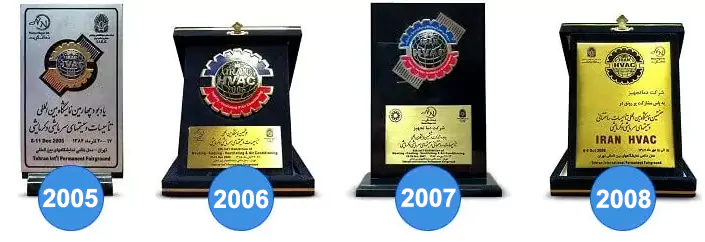
DamaTajhiz & Co. Participation at International HVAC and Construction Facilities Exhibitions Demonstrates its Global Reach and Commitment to the Industry.
We Look Forward to Your Call and the Opportunity to Meet You
SHARE THIS CONTENT TO SPREAD THE KNOWLEDGE
 |
 |
 |
 |
 |






Head Office: No. 463,Talebian Alley,Taleghani St.Tehran,Iran

DamaTajhiz has provided the opportunity to sell and ship specialized HVAC equipment for applicants in the following countries as the first and the most popular online store for selling HVAC equipment (Heating , Ventilation , Cooling , Air conditioning) in the Middle East : Afghanistan – Tajikistan - Uzbekistan – Turkmenistan – Azerbaijan – Armenia – Georgia – Turkey – Iraq – Syria – Jordan – Kuwait – Emirates – Qatar – Oman.


