
برج خنک کننده
برج خنک کننده برای کاهش دمای آب کندانسور سیستمهای تهویه مطبوع و صنایع استفاده میشود. در ادامه کاربرد، مشخصات فنی، نحوه انتخاب و قیمت واقعی انواع کولینگ تاور مدارباز، مداربسته، مکعبی و دایرهای در مجموعه تخصصی دماتجهیز ارائه میگردد. (از سال ۱۳۸۳)
راهنمای تخصصی انتخـاب و قیمت برج خنک کننده
به طور کلی برج خنک کننده یا کولینگ تاور (Cooling Tower) عمل خنک کردن آب در گردش کندانسور سیستم های تهویه مطبوع آب خنک، فرآیندهای صنعتی، نیروگاهها، پالایشگاهها و صنایع مختلف (براساس روش انتقال حرارت با انتقال جرم) را بر عهده دارد. در انواع برجهای خنک کننده مدار باز، ریزش آب روی پکینگها یا المانهای واسط (مانند تختهها) باعث پخش شدن آب روی سطوح آنها، افزایش سطوح مرطوب، کاهش سرعت جریان آب و ایجاد فرصت و زمان مناسب برای تبادل حرارت بین جریان آب ورودی از بالای برج خنک کننده و هوای عبوری از داخل برج و نتیجتاً موجب کاهش دمای آب در تشتک برج خنک کننده میشود.
در ادامه تمام نکات لازم برای انتخاب، خرید، برآورد ظرفیت و قیمت برج خنک کننده به همراه بررسی انواع، نحوه عملکرد، اجزا و کاربردهای کولینگ تاور ارائه شده است.
شما عزیزان در هر مرحله از مطالعه این صفحه میتوانید با تماس با کارشناسان ما در مجموعه تخصصی دماتجهیز، علاوه بر کسب مشاوره لازم، تجربه یک خرید رضایت بخش از این مجموعه پویا را کسب نمایید.
راهنمای انتخاب، قیمت و تامین تجهیزات تهویه و تاسیسـات (از سال ۱۳۸۳)
کاربرد و موارد استفاده از برج خنک کننده
برجهای خنککننده از تجهیزات کلیدی در سیستمهای سرمایشی و صنعتی به شمار میآیند و وظیفه اصلی آنها کاهش دمای آب در گردش و دفع حرارت اضافی است. این تجهیزات به دلیل عملکرد مؤثر، مصرف بهینه انرژی و نقش مهمی که در تکمیل و بهبود فرآیند تبادل حرارت سیستمها دارند، در حوزههای مختلفی مورد استفاده قرار میگیرند. به طور کلی، برجهای خنککننده عموماً در موارد زیر به کار میروند:
- تجهیزات تهویه مطبوع: در بیمارستانها، مراکز درمانی، هتلها و مجتمعهای مسکونی و تجاری بزرگ، برج خنککننده برای تامین آب خنک مورد نیاز چیلرهای آبی و جذبی و سایر تجهیزات سرمایشی استفاده میشود. عملکرد پایدار این دستگاهها تاثیر مستقیمی بر کیفیت سرمایش، آسایش حرارتی و عملکرد مناسب سیستم تهویه مطبوع دارد.
- تجهیزات سنگین صنعتی: در صنایع سنگین، ماشینآلات و تجهیزات در حال کار، حرارت زیادی تولید میکنند. برجهای خنککننده با کاهش دمای آب در گردش در این این تجهیزات و انتقال حرارت، از افزایش بیش از حد دما جلوگیری کرده و به حفظ ایمنی، بهبود فرآیند و کیفیت تولید، افزایش عمر تجهیزات و جلوگیری از توقف خط تولید کمک میکنند.
- در سیستم خنککاری نیروگاهها: در نیروگاهها، به ویژه نیروگاههای حرارتی، حجم زیادی از حرارت در فرآیند تولید انرژی ایجاد میشود. برج خنککننده نقش مهمی در دفع این حرارت و خنکسازی آب مورد استفاده در سیکلهای کاری نیروگاه ایفا میکند و باعث بهبود راندمان کلی سیستم میشود.
- در سیستم خنککاری پالایشگاه: پالایشگاهها به دلیل فرآیندهای پیچیده و دمای بالای عملیاتی، نیاز مداومی به سیستمهای خنک کننده دارند. برجهای خنککننده در این مجموعهها برای کنترل دما، افزایش ایمنی و پایداری فرآیندهای پالایشی به کار گرفته میشوند.
- سیستم خنککاری کارخانجات تولیدی (در فرآیندهای تولیدی): در بسیاری از کارخانجات تولیدی، کنترل دما در مراحل مختلف فرآیند تولید اهمیت بالایی دارد. برج خنککننده با تامین آب خنک پایدار، به حفظ کیفیت محصول، افزایش سرعت تولید و کاهش استهلاک تجهیزات کمک میکند.
- کارخانجات صنعتی چوب، قالبگیری و ریختهگری: در صنایع چوب، قالبگیری، ریختهگری و تزریق پلاستیک، تجهیزات و قالبها در معرض حرارت بالا قرار دارند. استفاده از برج خنککننده در این صنایع باعث کنترل دما، بهبود کیفیت محصول نهایی و افزایش عمر قالبها و ماشینآلات میشود.
کاربردهای کولینگ تاور در صنعت
استفاده از برج های خنک کننده در صنعت روشی موثر برای حذف گرمای ناخواسته از قالبها، فرآیندها و یا تبادل حرارت یک سیال با سیال دیگر میباشد. در این عملیات آب گرم از تجهیزات صنعتی یا از هر منبع گرمایی دیگر وارد برج خنک کننده مدار باز یا وارد کویل در برج های مدار بسته میشود. همانطور که آب به پایین برج خنک کننده می ریزد، آب سرازیر شده روی پکینگها (در برج های مدار باز) و روی کویل (در برجهای مدار بسته) به صورت یکنواخت پاشش میشود تا تماس آب با هوا افزایش یابد؛ بنابراین انتقال حرارت و کاهش دمای آب در برج از طریق فرآیند تبخیر آب انجام میگردد. هم زمان با عمل تبخیر آب، گرما از آب گرفته شده و در نهایت پس از کاهش دمای آن، آب در قسمت زیرین تشتک برج خنک کننده جمع آوری میشود. سپس آب خنک در جهت فرآیند تولید محصول به سمت دستگاههای مورد نظر پمپاژ میگردد تا از بالا رفتن بیش از اندازه دمای این دستگاهها جلوگیری شود؛ و این چرخه دائماً تکرار میشود.
همانطور که پیشتر هم گفته شد یکی از مهمترین نکات در خصوص کاهش دمای آبِ فرآیندهای صنعتی با استفاده از برج های خنک کننده مدار باز، توجه به دمای آب خروجی از فرآیند یا همان دمای آبی است که میخواهیم از طریق روش انتقال حرارت تبخیری توسط برج خنک کننده کاهش دهیم.
استفاده از برج های خنک کننده صنعتی جهت کاهش دمای آب در گردش در عملیات فرآیند محصول در انواع کارخانجات صنعتی نظیر تولید شیشه و سرامیک، صنایع تزریق پلاستیک، صنایع چوب و کاغذ، صنایع داروسازی و پزشکی، صنایع خوراکی (لبنیات و تولید روغن)، پتروشیمی و... بسیار پرکاربرد است.
خرید برج خنک کننده مکعبی و مدور
قدم اول برای خرید برج خنک کننده، توجه به ظرفیت و نوع کاربری برج خنک کننده و ابعاد محل نصب دستگاه می باشد. زیرا، برج خنک کننده در انواع مختلف مدارباز، مداربسته و صنعتی با ظرفیت ها و کاربریهای مختلف تولید و عرضه می شود. بنابراین شما قبل از اقدام به خرید برج خنک کننده مکعبی، مدور و...، باید دبی و حجم آب در گردش و کاربری پروژه خود را در نظر داشته باشید، تا بتوانید انتخاب صحیح و درستی در مدل و ظرفیت برج خنک کننده، با قیمت مناسب داشته باشید. سپس مواردی مانند اختلاف دمای مورد نیاز بین آب ورودی و خروجی برج، ویژگی ها، برند و نوع برج خنک کننده مد نظر، باید مورد بررسی قرار گیرد.
در صورت نیاز به مشاوره در خصوص انتخاب، محاسبه و خرید انواع برج خنک کننده خانگی و صنعتی، می توانید با کارشناس فروش شرکت دماتجهیز تماس حاصل فرمائید.
در مجموعه تخصصی دماتجهیز به عنوان اولین و معتبرترین مجموعه فروش تمامی تجهیزات تاسیسات ساختمان و تهویه مطبوع در ایران و کشورهای خاورمیانه، اطلاعات فنی و قیمتهای تضمین شده انواع کولینگ تاور در ظرفیتهای گوناگون جهت بررسی، انتخاب و خرید هوشمندانه و بهینه ارائه گردیده است.

نکات خرید برج خنک کننده
در انتخاب و سفارش خرید برج خنک کننده موارد ذیل باید مشخص باشند:
- نوع برج خنک کننده (مدور - مکعبی)
- جنس بدنه برج خنک کننده (گالوانیزه – فایبر گلاس)
- دبی آب در گردش برج خنک کننده
- دمای هوای خشک و مرطوب محیط نصب برج خنک کننده در تابستان
- اختلاف دمای آب ورودی و خروجی برج خنک کننده (Range)
- اختلاف دمای آب خروجی از برج خنک کننده و دمای مرطوب هوای محیط (Approach Temperature)
- ظرفیت و دبی برج خنک کننده متناسب با ظرفیت چیلر مورد نظر بر حسب TR (تن تبرید) یا متناسب با حجم و کاهش دمای آب در گردش در فرآیندهای صنعتی و کارخانجات
توجه: در برجهای خنک کننده که در فصول سرد سال نیز برای مصارف صنعتی، مخابراتی و ... مورد استفاده قرار میگیرند، استفاده از هیترهای برقی (المنت) در تشتک برجهای خنک کننده به منظور جلوگیری از یخ زدن آب و آسیب به برجهای خنک کننده الزامی است.
نحوه برآورد و انتخاب ظرفیت برج خنک کننده
برای انتخاب ظرفیت مناسب برجهای خنک کننده در نظر داشته باشید که حداکثر اختلاف دمای آب ورودی و خروجی از برج خنک کننده (Range) همواره کمتر از اختلاف دمای آب ورودی و دمای مرطوب هوا (Wet Bulb Temperature) در محیط مورد نظر است. به عبارت دیگر حداقلِ دمای آب خروجی از برج خنک کننده همیشه حدود 3 تا 5 درجه سانتیگراد بیشتر از دمای هوای مرطوب محل نصب برج خنک کننده در تابستان خواهد بود. اختلاف دمای آب خروجی برج خنک کننده و دمای حباب تر محیط، دمای اپروچ (Approach) نامیده میشود.
بطور مثال در شهرهایی تهران، مشهد، کرج، اصفهان، شیراز، اربیل، کابل، سلیمانیه و سایر شهرها با آب و هوای مشابه که حداکثر دمای هوای مرطوب آنها در تابستان حدود 23 تا 24 درجه سلیسیوس است، حداقل دمای آب خروجی از کولینگ تاور در بهترین شرایط حدود 26 درجه سلسیوس خواهد بود.
✅ با تشکـر از توجه و زمان ارزشمندی که شما همراه گرامـی برای مطالعه مطالب فوق صرف کرده اید، لطفا در صورت نیاز به دریافت اطلاعات بیشتـر و پاسخ فوری به سوالات مربوطه، قبل از انتخـاب انواع برج خنک کننده موردنیاز، با کارشناسـان بخش فروش مجموعـه تخصصی دماتجهیـز، در ساعات اداری تماس بگیریـد. 88822550-021
نکات مهم در انتخاب ظرفیت برج خنک کننده
حتی در بهترین شرایط و حتی در آب و هوای خشک نیز نباید از هر برج خنک کننده انتظار کاهش دمای آب خروجی نسبت به آب ورودی بیشتر از 30 درجه سلسیوس را داشت. ضمناً اگر دمای آب خروجی فرآیندهای صنعتی، در کارخانهای بالا باشد و بخواهید دمای آنرا با یک یا دو و یا حتی سه دستگاه برج خنک کننده مدار باز بصورت سری تا محدوده دمای 26 درجه در تهران کاهش دهید، توجه داشته باشید که دمای آب ورودی به برج اول نباید تا حدی بالا باشد که به پکینگهای برج خنک کننده آسیب وارد گردد. بنابراین چنانچه از برج خنک کننده مدار باز برای کاهش دمای آب فرآیندهای تولید استفاده میکنید، دمای آب ورودی به کولینگ تاور نباید از ℃65 بیشتر باشد!
و چنانچه دمای آب بیشتر از 70 درجه سانتیگراد باشد، باید ابتدا دمای آن را با روشهای دیگری مثل هدایت آب به استخرهای روباز و قرار گرفتن آن در معرض وزش جریان هوای محیط کاهش دهید و سپس آن را وارد کولینگ تاور کرد.
همچنین، هرچه رطوبت نسبی هوای محل نصب برج خنک کننده کمتر باشد، دمای هوای مرطوب آن محل کمتر و در نتیجه راندمان خنک کنندگی و کاهش دمای آب خروجی از برج، بیشتر خواهد بود.
نکته قابل توجه در خصوص محاسبه ظرفیت و انتخاب برج خنک کننده انواع پروژه های تهویه مطبوع آب خنک و برج های خنک کننده مورد نیاز فرآیندهای خط تولید کارگاهها یا کارخانجات صنعتی، دقت و بررسی شرایط آب و هوایی و اقلیمی محل پروژه خصوصاً رطوبت نسبی و دمای مرطوب هوای محل در فصل تابستان است.
چنانچه پروژه در منطقه ای با آب و هوای معتدل مانند شهر تهران، کرج، مشهد، شیراز، کرمانشاه، خرمآباد، سمنان، اصفهان، سلیمانیه، اربیل، موصل، حلب، مزارشریف، کابل، کرکوک، تبریز و... باشد، میزان انتقال حرارت و کاهش دمای آب برج خنک کننده براساس دمای مرطوب هوای محیط نسبت به شرایط اقلیمی گرم و خشک مانند شهرهای یزد، کرمان، زاهدان، زابل، بغداد، عمان، مدینه، کربلا، نجف و... تا حدودی متفاوت است.

انواع برج خنک کننده
برج های خنک کننده را می توان از دیدگاههای مختلف به شرح زیر تقسیم بندی نمود:
- جنس بدنه (گالوانیزه- فایبر گلاس- بتنی)
- نحوه مکش جریان هوا (طبیعی - اجباری)
- نحوه برخورد جریان هوا و آب (جریان متقاطع و جریان مخالف)
- سیستم توزیع آب (آب بخشکن مربع پاش - بازوهای آبگردان )
- شکل ظاهری (مدور – مکعبی)
- نوع عملکرد (برج های خنک کننده مدار باز، مدار بسته و هیبریدی)
- نوع پکینگ برج (پلیمری (PP، PVC)، چوبی)
برج خنک کننده مدار بسته
در برج خنک کننده مدار بسته، انتقال حرارت بین آب و سیال درون کویل، از طریق ریزش آب بر روی کویل مسی، گالوانیزه و یا استیل به عنوان یک مبدل حرارتی صورت میپذیرد. همچنین از آنجایی که سیال در یک مسیر کاملاً بسته درون کویل، در جریان و تبادل حرارت است، این سیال (آب یا روغن) کاملاً پاک و فاقد هر نوع آلودگی خواهد بود؛ به همین دلیل به این سیستم، برج خنک کن مدار بسته گفته میشود.
همانطور که گفته شد، نحوه عملکرد کلی برجهای خنک کننده مداربسته به این صورت است که با پاشش آب روی کویل همراه با بهجریان در آمدن حجم زیادی از هوای درون برج خنک کننده، آب در گردشِ درون برج خنک میشود. سپس این آب در تماس با کویل حاوی آب (سیال ناقل حرارت)، باعث کاهش دمای آب یا روغن (یا هر سیال دیگر) جاری در کویل مدار بسته این برجها میگردد. لازم به ذکر است که قیمت برج خنک کننده مدار بسته به دلیل نوع ساختار داخلی آن و دارا بودن تجهیزاتی مانند کویلهای تبادل حرارت، پمپ و... گران تر از برج خنک کننده مدار باز است.
برج خنک کننده هیبریدی
هیبرید (Hybrid) در لغت به معنی ترکیب دو یا چند رویکرد مختلف برای ایجاد یک رویکرد بهتر است. بنابراین میتوان گفت که برج خنک کننده هیبریدی نیز ترکیبی خاص و کامل از برج خنک کننده مدار بسته و مدار باز است که با هدف بهبود عملکرد کلی و افزایش راندمان و بهره گیری از مزایای هر یک از این دو نوع کولینگ تاور طراحی میشود. کولینگ تاور هیبریدی به دلیل نوع طراحی خاص آن، ابعاد و ارتفاع بلندتر و هزینه اولیه ساخت بالاتری نسبت به انواع برج خنک کننده مدار باز و مدار بسته دارد.
همچنین میانگین مصرف آب سالانه در برج خنک کن هیبریدی بسیار کاهش یافته است و به همین دلیل به آن برج خنک کننده کم مصرف هیبریدی نیز گفته میشود. در این روش سیال خنک شونده هم از درون کویل برج خنک کننده (مانند برج مداربسته) عبور داده و خنک میشود، سپس از درون مدبل حرارتی یا کندانسور عبور کرده و در مجاورت آب خنک ورودی از تشتک برج خنک کنند هیبریدی نیز مجدداً خنک میگردد.
در حالت دیگر، هوای ورودی به برج خنک کننده توسط کویلهای DX یا آبی که به چیلر یا کندانسور متصل است خنک شده و به این طریق راندمان کولینگ تاور افزایش مییابد.
برج خنک کننده خشک (یا ایرکولر، درای کولر)
برج خنک کننده خشک (یا Air Cooler یا Dry Cooler) به کندانسورهای هوایی سیستمهای تبرید تراکمی و یا مبدلهای حرارتی هوا به سیال (هواخنک) اطلاق میشود که شبیه به یک مبدل حرارتی بین آب و هوا عمل میکند. در این سیستم، آب و هوا هیچ گونه تماس مستقیمی با هم ندارند و در نتیجه آبی تبخیر نمیشود (به این ترتیب مصرف آب در کندانسور هوا خنک صفر است).
نحوه عملکرد برج خنک کننده خشک یا همان کندانسور هواخنک به صورت زیر است:
- آب گرم حاصل از فرآیندهای صنعتی از طریق پمپها و لوله کشی وارد ایر کولر (بعضی شرکتها آن را درای کولر نیز مینامند) میشود.
- این آب گرم درون کویل مسی (یا لولههای مسی جریان رفت و برگشتی) معمولاً با فینهای آلومینیومی جریان مییابند.
- در این مرحله تماس غیرمستقیم آب و هوا اتفاق میافتد:
به این صورت که هوای محیط بیرون به وسیله فنهای قرارگرفته در بخش بیرونی کویل، به داخل برج خنک کننده مکش میشوند. سپس این هوا با سطح لولههای انتقال سیال گرم برخورد میکند و در نتیجه این برخوردهای مداوم، سیال خروجی از برج خنک کننده خشک حرارت خود را تا 5 درجه بالاتر از دمای خشک محیط اطراف کویل از دست داده و خنک میگردد.
دمـاتجهيــز؛ هـــزاران محصـول برای هـــزاران پــروژه مهندسی و صنعتی (از سال ۱۳۸۳)
برج خنک کننده مدار باز
برج خنک کننده مدار باز در واقع همان کولینک تاور معمول سیستم های تهویه مطبوع آب خنک است که آب ( سیال ناقل حرارت ) پس از ورود به برج خنک کننده و پاشش روی پکینگها (که باعث افزایش سطح تماس با جریان هوای درون برج می شوند) خنک شده و پس از جمع شدن آب در تشتک پایین برج، مجدداً توسط پمپ به سیکل تبادل حرارت در کندانسور چیلر آبخنک سیستم تهویه مطبوع باز میگردد.

کولینگ تاور گالوانیزه
برج خنک کننده گالوانیزه دارای بدنهای از ورق فولادی با پوشش گالوانیزه است و بیشتر در پروژههای صنعتی سبک و نیمهصنعتی استفاده میشود. این نوع برج خنککننده در محیطهای مرطوب یا با کیفیت آب نامناسب، احتمال خوردگی ورق بدنه آن بیشتر بوده و نیاز به نگهداری و سرویس دورهای دقیقتری دارد.
برج خنک کننده فایبرگلاس
برج خنک کننده فایبرگلاس به دلیل مقاومت بالا در برابر رطوبت، خوردگی و شرایط جوی، یکی از رایجترین انواع برج خنک کننده در سیستمهای تهویه مطبوع و صنعتی محسوب میشود. وزن کم، طول عمر بالا و قابلیت تولید در ظرفیتهای مختلف از مهمترین مزایای این نوع کولینگ تاور است و به همین دلیل کاربرد گستردهای در پروژههای ساختمانی و صنعتی دارد.
برج خنک کننده بتنی
برج خنک کننده بتنی معمولاً در پروژههای بزرگ صنعتی، نیروگاهها و پالایشگاهها مورد استفاده قرار میگیرد. این نوع برج برای ظرفیتهای بسیار بالا طراحی میشود و دوام و پایداری بالایی دارد، اما هزینه ساخت، زمان اجرا و فضای مورد نیاز کولینگ تاور بتنی نسبت به برجهای فلزی و فایبرگلاس بیشتر است.
کولینگ تاور با مکش طبیعی
در کولینگ تاور با مکش طبیعی، جریان هوا بدون استفاده از فن و تنها بر اساس اختلاف دما و چگالی هوا ایجاد میشود. این نوع برجهای خنک کننده معمولاً ارتفاع زیادی دارند و بیشتر در نیروگاهها و صنایع بزرگ کاربرد دارند و در سیستمهای تهویه مطبوع رایج استفاده نمیشوند.
کولینگ تاور با مکش اجباری
کولینگ تاور با مکش اجباری مجهز به فن است و جریان هوا به صورت کنترلشده از داخل برج عبور میکند. این نوع برج به دلیل راندمان بالا، ابعاد مناسب و قابلیت کنترل بهتر عملکرد، متداولترین نوع برج خنک کننده در سیستمهای تهویه مطبوع و اغلب صنایع به شمار میآید.
برج خنک کننده جریان متقاطع
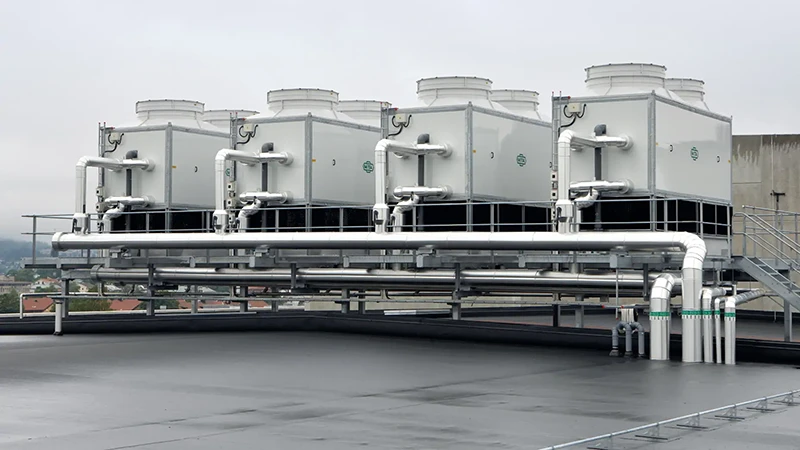
برج های خنک کننده جریان متقاطع یا کراس فلو (Cross Flow) به شکل مکعبی و با امکان مکش هوا تنها از دو ضلع کناری دستگاه میباشند. به عبارت دیگر، در برج خنک کننده جریان متقاطع، هوا به صورت افقی و آب به صورت عمودی با یکدیگر تماس پیدا میکنند.
مهمترین مزایای برج های خنک کننده جریان متقاطع مکعبی به شرح زیر هستند:
- صرفه جویی در مصرف آب و برق دستگاه
- عدم نیاز به آب پخش کن و حذف کامل مشکلات ناشی از آن (نظیر گرفتگی نازلها و شکستگی شفت و ایجاد خسارات مالی مربوطه)
- تفکیک ظرفیت و ساخت برج های خنک کننده بزرگتر به صورت چند سلولی در ظرفیت های مناسبتر با برخورداری از چند الکتروموتور و پروانه کوچکتر و حذف ارتعاش کامل دستگاه
- عدم اشغال فضای زیاد با امکان مکش هوا تنها از دو ضلع آن، مخصوصاً در ظرفیتهای بالا و چیدمان برج های خنک کننده مکعبی جدید در کنار هم و بدون نیاز به فواصل جانبی از یکدیگر (نیاز به فضای نصب کمتر)

برج خنک کننده جریان مخالف یا کانتر فلو
در برج خنک کننده جریان مخالف (Counter Flow)، جریان هوا از پایین به بالا و خلاف جهت حرکت آب عبور میکند. این نوع طراحی موجب افزایش زمان تماس هوا و آب شده و راندمان خنککنندگی بالاتری ایجاد میکند، به همین دلیل برجهای کانتر فلو در بسیاری از کاربردهای صنعتی و تهویه مطبوع ترجیح داده میشود.
کولینگ تاور با توزیع آب نازلی
در این نوع کولینگ تاور، آب توسط نازلها به صورت یکنواخت روی پکینگها پاشیده میشود. توزیع مناسب آب باعث افزایش سطح تماس آب با هوا و بهبود راندمان خنککاری میشود و این سیستم یکی از رایجترین روشهای توزیع آب در برجهای خنک کننده مدرن است.
کولینگ تاور با بازوهای آبگردان
در این نوع کولینگ تاور، آب توسط بازوهای دوار روی پکینگها پخش میشود. بازوهای آبگردان با استفاده از فشار آب میچرخند و آب را توزیع میکنند. این سیستم بیشتر در برجهای مدور یا ظرفیتهای خاص دیده میشود و امروزه کاربرد کمتری دارد.
برج خنک کننده مدور
برج خنک کننده مدور به دلیل طراحی دایرهای شکل، توزیع یکنواختتری از جریان هوا ایجاد میکند. این نوع کولینگ تاور در ظرفیتهای متوسط و کاربردهای خانگی و صنعتی مورد استفاده قرار میگیرد.
برج خنک کننده مکعبی
برج خنک کننده مکعبی به دلیل اشغال فضای کمتر و امکان نصب آسان در محیطهای محدود، گزینهای رایج در پروژههای ساختمانی و سیستمهای تهویه مطبوع است. این نوع برج انعطافپذیری بیشتری در جانمایی دارد و در ظرفیتهای مختلف تولید میشود.
نحوه عملکرد برج خنک کننده صنعتی
برج های خنک کننده صنعتی در صنایع مختلفی کاربرد دارند و روش کار آنها مانند برج های خنک کننده معمولی بر اساس فرآیند تبخیر آب میباشد. به این صورت که آب به عنوان سیال واسط، گرمای ناشی از عملکرد مداوم تجهیزات صنعتی را جذب نموده و بر اساس فرآیند تبخیر توسط برج خنک کننده صنعتی، این گرمارا به محیط بیرون منتقل میکند.
نحوه انتقال گرمای آب به محیط بیرون و خنک شدن آن در انواع برج خنک کننده صنعتی به این صورت است که ابتدا آب گرم ورودی به برج خنک کننده از قسمت فوقانی دستگاه به صورت یکنواخت بر روی پکینگهای داخلی (برج های خنک کننده مدار باز) یا سطوح خارجی کویل مسی (برج های خنک کننده مدار بسته) پاشش شده و طی تماس با حجم زیادی از هوا و براساس فرآیند تبخیری، گرمای خود را به هوا داده و بخشی از آن تبخیر میشود؛ در نتیجه آب جمع شده در تشتک زیر برج خنک کننده در برج های مدار باز، آبی خنک خواهد بود و جهت جذب مجدد گرما به سمت تجهیزات و فرآیندهای صنعتی هدایت میگردد. ولی در برجهای خنک کننده مداربسته با جذب گرمای سیال درون کویل، این آب گرمتر از آب میانه برج بوده و مجدداً به بالای برج پمپاژ گردیده تا توسط پکینگها خنک شود و دمای سیال درون کویل را نیز کاهش دهد.
انتخاب و استفاده از برج خنک کننده در فرآیندهای تولید و صنعت، برای کاهش دمای تجهیزات، قالبها و حتی محصول نهایی به اندازه حدود 25 تا 35 درجه سانتیگراد (در محیطهای غیر شرجی)، نسبت به استفاده از چیلرهای برودتی از نظر کاهش هزینه سرمایه گذاری اولیه برای خرید، هزینههای سرویس و نگهداری، هزینههای مصرف برق و... بسیار بسیار مقرون به صرفه تر میباشد.

مزایای نسل جدید برج های خنک کننده
برج خنک کننده یکی از مهمترین تجهیزات دفع حرارت در سیستمهای تهویه مطبوع و فرآیندهای صنعتی است که با کاهش دمای آب در گردش، به افزایش راندمان تجهیزات کمک میکند. مهمترین مزایای نسل جدید برج خنک کننده عبارتاند از:
- صرفهجویی در مصرف آب: یکی از ویژگیهای بارز نسل جدید برجهای خنک کننده به خصوص مدلهای هیبریدی، کاهش مصرف آب است. این برجها با بهرهگیری از تکنولوژیهای پیشرفتهتر در فرآیند خنک سازی، از حجم آب استفاده میکنند. این امر به طور مستقیم منجر به کاهش هزینههای بهرهبرداری و حفظ منابع آب میشود.
- کاهش مصرف انرژی: برج خنک کننده با دفع موثر حرارت، دمای آب را کاهش میدهد و باعث میشود چیلرها، مبدلهای حرارتی و سایر تجهیزات سرمایشی با راندمان بالاتری کار کنند. این موضوع به کاهش مصرف برق مجموعه کمک میکند.
- افزایش راندمان سیستم سرمایشی: هرچه آب خنکتری وارد تجهیزات شود، فرآیند انتقال حرارت بهتر انجام میشود. در نتیجه عملکرد سیستمهای تهویه مطبوع و خطوط تولید صنعتی با استفاده از برجهای خنک کننده بهبود پیدا میکند.
- افزایش طول عمر تجهیزات: دمای بالا یکی از عوامل اصلی استهلاک تجهیزات صنعتی و سرمایشی محسوب میشود. برج خنک کننده با کنترل دمای آب، فشار کمتری به چیلرها، کمپرسورها و مبدلهای حرارتی وارد میکند و عمر مفید آنها را افزایش میدهد.
- کاهش هزینههای تعمیر و نگهداری: زمانی که تجهیزات در دمای استاندارد کار کنند، احتمال خرابی قطعات کاهش مییابد. در نتیجه هزینههای ناشی از تعمیرات اضطراری و تعویض قطعات کمتر خواهد شد.
- کاهش اثرات محیطی: با بهرهگیری از فناوریهای پیشرفته در برجهای خنک کننده، اثرات زیست محیطی کاهش یافته است.
- کنترل هوشمند و اتوماسیون: نسل جدید برجهای خنک کننده دارای قابلیتهای کنترل هوشمند و اتوماسیونی شامل کنترل دور فن، دمای آب در گردش، میزان آب، وضعیت عملکرد و... هستند که به کاهش نیاز به دخالت انسانی و افزایش کارایی کمک میکنند.
- انعطاف پذیری بالا در طراحی: برجهای خنک کننده نسل جدید به دلیل طراحی مدولار و انعطاف پذیری بالا، قابلیت تنظیم و تطبیق بهتر با نیازهای مختلف را دارا هستند. این ویژگی به بهرهبرداران امکان میدهد تا به آسانی سیستم خود را تغییر دهند و یا بهینه سازند.
- افزایش عمر مفید: با بهرهگیری از مواد بسیار با کیفیت و فناوریهای پیشرفته، نسل جدید برجهای خنک کننده دارای عمر مفید بالاتری هستند که باعث بهرهبرداری طولانی مدت و کاهش هزینههای نگهداری و تعمیرات میشود.
- عملکرد پایدار در شرایط کاری مداوم: این تجهیزات برای کارکرد طولانیمدت طراحی شدهاند و در صورت نگهداری صحیح میتوانند بهصورت مداوم و با راندمان مناسب فعالیت کنند.
دمـاتجهیـز؛ راهنمـای تخصصی و مهندسی تامین تجهیـزات تهویـه و تاسیسـات ( از سال 1383)
اجزای تشکیل دهنده برج خنک کننده مدار باز و مداربسته
اجزا و قطعات بیرونی برج خنک کننده مدار و مداربسته باز عبارتند از:
- فن (گلویی): بخشی در قسمت بالایی برج خنککننده است که با هدایت صحیح جریان هوا به سمت فن، باعث افزایش راندمان مکش و بهبود عملکرد خنککاری میشود.
- لوور (کرکره هوا): لوورها وظیفه هدایت جریان هوای ورودی به داخل برج را بر عهده دارند و همزمان از پاشش آب به بیرون و ورود اجسام خارجی جلوگیری میکنند.
- پنل (دیواره): پنلها بدنه اصلی کولینگ تاور را تشکیل میدهند و علاوه بر محافظت از اجزای داخلی، در حفظ استحکام سازه و کنترل جریان هوا نقش دارند.
- تشتک برج خنککننده: تشتک در پایین برج قرار دارد و محل جمعآوری آب خنکشده است تا آب دوباره وارد سیکل گردش سیستم شود.
- ستون و استراکچر بدنه: ستونها و سازه نگهدارنده بدنه، وظیفه تحمل وزن تجهیزات و حفظ پایداری و ایستایی برج خنککننده را بر عهده دارند.

در ادامه اجزای داخلی کولینگ تاور شرح داده میشوند:
قطره گیر برج خنک کننده
قطره گیر برج خنک کننده یا الیمیناتور (Drift Eliminator) یکی از قطعات مهم در برجهای خنککننده است که معمولا از جنس P.V.C ساخته میشود و بالای سیستم توزیع آب و پکینگها و روی پنلهای برج خنککننده نصب میگردد. این قطعه به منظور کاهش میزان دریفت یا پرتاب قطرات آب از برج خنککننده و جلوگیری از خروج قطرات آب همراه با جریان هوای خروجی از بالای برج (پدیده فرار آب یا Drift) مورد استفاده قرار میگیرد.
عملکرد قطره گیر کولینگ تاور بر پایه تغییر جهت ناگهانی مسیر حرکت جریان هوای مرطوب است. هنگامی که هوا همراه با قطرات معلق آب از میان صفحات قطرهگیر عبور میکند، قطرات سنگینتر آب به دلیل داشتن اینرسی بالا، توانایی تغییر مسیر سریع را نداشته و به جداره صفحات قطرهگیر برخورد میکنند. این قطرات پس از پیوستن به یکدیگر و سنگینتر شدن، مجدداً به درون حوضچه (تشتک) برج سقوط میکنند. به این ترتیب، میزان هدررفت آب و خروج قطرات آب از برج به کمترین مقدار ممکن کاهش مییابد.
طرح الیمیناتور یا قطرهگیر برج خنک کننده در مدلهای P.V.C معمولا به شکل لانه زنبوری است که با ایجاد مسیرهای مناسب برای عبور جریان هوا و به دام انداختن قطرات آب، نقش مؤثری در کاهش میزان دریفت و هدررفت آب دارد.
فن الکتروموتور برج خنک کننده
فن هوادهی و موتور برج خنک کننده (Cooling tower fan) مهم ترین و اصلی ترین قسمت سیستم هوا دهی در برج میباشد که روی راندمان کولینگ تاورها به شدت تاثیرگذار است. فنها در برج خنک کننده حجم زیادی از هوا را داخل دستگاه به جریان درمیآورند که باید دارای حداکثر راندمان و حداقل لرزش در موتور باشند، همچنین جریان هوا بر اساس، عرض تیغه، قطر پروانه و سرعت چرخش فن در انواع فن ها متفاوت است. فن برج خنککننده، مانند سایر فنهای صنعتی به دو دسته سانتریفوژ و محوری بر اساس نوع برج خنک کن تقسیم میگردند، که فن محوری یکی از پرکاربردترین انواع پروانه ها در برج های خنک کننده های دایره ای و مکعبی محسوب می گردد.
موتور الکتریکی کولینگ تاور باید متناسب با فن آن انتخاب شده و از لحاظ توان الکتریکی و نحوه نصب، متناسب با ابعاد فن و شکل بدنه باشد.
پکینگ برج خنک کننده (Fill)
پکینگ برج خنککننده (که به آن فیلینگ هم گفته میشود) یکی از حیاتیترین اجزای این دستگاه به شمار میآید که آب گرم ورودی از بخش بالایی برج روی آن پخش میشود. ساختار پکینگ به گونهای طراحی شده است که با ایجاد سطوح گسترده و منظم، بیشترین تماس مستقیم بین آب گرم و جریان هوا را فراهم کند و در نتیجه، فرآیند انتقال حرارت و خنککاری با بالاترین راندمان انجام شود.
انتخاب نوع پکینگ باید متناسب با دمای آب، میزان ناخالصی و شرایط محیطی محل نصب صورت گیرد، زیرا عملکرد نامناسب آن میتواند بازده کل برج را کاهش دهد. این قطعه معمولاً از جنس و نوع PVC، PP و یا نت اسپلش ساخته میشود.
پکینگهای نت اسپلش معمولاً میتوانند تا دمای حدود 70 درجه سانتیگراد را تحمل کنند و علاوه بر وزن کم، مقاومت مناسبی در برابر رطوبت و رسوبات دارند.
در مجموع، هدف اصلی از بهکارگیری پکینگ در برج خنککننده، افزایش حداکثری سطح تماس آب گرم و هوا و بهبود کارایی سیستم خنککاری است.
راهنمای انتخاب پکینگ برج خنک کن
نکات مهم در انتخاب پکینگ برج خنک کننده عبارتند از:
- برای انتخاب پکینگ مناسب در برجهای خنک کننده باید به کیفیت و دمای آب ورودی، نوع کاربری و شرایط بهره برداری از دستگاه دقت شود؛ برای مثال پکینگهای طرح فیلم که از جنس P.V.C تولید میشوند به دلیل ایجاد سطح تماس گسترده تر، میان آب و هوا دارای راندمان بیشتری نسبت به پکینگهای نت اسپلش (لانه زنبوری) که از جنس P.P تولید میشوند هستند، اما در مقابل پکینگهای طرح اسپلش در برابر رسوب و آب بی کیفیت مقاومت بیشتری دارند و دیرتر دچار گرفتگی و تخریب می شوند.
- سطوح خنک کننده آب (پکینگها) داخل برج خنک کننده میبایست از طرح و جنس مناسب انتخاب گردند. پکینگ برجهای خنک کننده معمولاً از جنس P.V.C با گرید دارویی آنتی باکتریال و با ضخامت 400 میکرون و یا از نوع پکینگ نت اسپلش از جنس P.P میباشد که طبق انتخاب و سفارش خریدار عرضه میگردد.
کویل در برج خنک کننده
در واقع کویل یکی از قطعات اصلی در برج های خنک کننده مداربسته است. این کویل ها در واقع همان وظیفه ی پکینگ در برجهای خنک کن مدار باز را به عهده دارند ، با این تفاوت که در برج های خنک کننده مدار باز، نازلها آب در گردش سیستم را روی پکینگها پاشش میکنند در صورتی که در برج های مدار بسته آب در گردش سیستم در لولههای کویل جریان دارد و روش تبادل حرارت در آنها به شکل غیر مستقیم و از سطوح لوله های فلزی آن صورت میگیرد، کویل های برج خنک کننده مدار بسته بر اساس نوع متریال استفاده شده در آنها به چند دسته مسی، استیل و... تقسیم میشوند.

قیمت برج خنک کننده فایبرگلاس، گالوانیزه و بتنی
قیمت برج خنک کننده بر اساس نوع، ظرفیت و برند متفاوت است. جهت انتخاب و خرید مطمئن برج خنک کننده، ابتدا باید ظرفیت برج مورد نیاز و نوع آن (با توجه به کاربری آن) را تعیین کنید. در مجموعه تخصصی دماتجهیز، اطلاعات فنی دهها مدل از انواع برج خنک کننده، از برندهای معتبر با گارانتی اصلی، جهت برخورداری شما عزیزان از حس خوب خرید بهینه و هوشمند ارائه گردیده است.
لازم به ذکر است کلیه برج خنک کننده های ارائه شده در مجموعه تخصصی دماتجهیز دارای شناسه کالا و قیمت مناسب بوده و تخفیفهای مورد نظر مصرف کنندگان در این قیمتها لحاظ گردیده است.
عوامل موثر بر قیمت کولینگ تاور
عواملی که در تعیین قیمت برج خنک کننده تاثیرگذار هستند عبارتند از:
- ظرفیت و توان خنککاری: هرچه ظرفیت برج خنککننده بالاتر باشد و حجم آب بیشتری را خنک کند، ابعاد، تجهیزات و در نتیجه قیمت برج خنک کننده افزایش پیدا میکند.
- نوع برج خنککننده: قیمت کولینگ تاور مدار باز، مدار بسته، صنعتی و... با یکدیگر متفاوت است و معمولاً برجهای مدار بسته و صنعتی قیمت بالاتری نسبت به برجهای مدار باز دارند.
- جنس بدنه و متریال ساخت: استفاده از متریالهایی مانند فایبرگلاس، گالوانیزه یا بتن تاثیر مستقیم بر قیمت نهایی کولینگ تاور دارد و برجهای فایبرگلاس و بتنی معمولاً قیمت بالاتری نسبت به مدلهای گالوانیزه دارند.
- نوع و کیفیت پکینگ (فیلینگ): جنس، طراحی و راندمان پکینگ مورد استفاده کولینگ تاور، نقش مهمی در قیمت برج خنک کننده دارد، زیرا پکینگ با کیفیت بالاتر موجب افزایش بازده و طول عمر دستگاه میشود.
- سیستم توزیع آب: نوع سیستم توزیع آب شامل نازل، بازوهای آبگردان و کیفیت اجزای آن، بر هزینه ساخت و قیمت برج خنک کننده تاثیرگذار است.
- نوع فن و الکتروموتور: برند، توان، راندمان و نوع فن و الکتروموتور بهکاررفته در کولینگ تاور، از عوامل مهم تعیینکننده قیمت برج خنک کننده به شمار میآید.
- طراحی و شکل ظاهری برج: برجهای مدور یا مکعبی و همچنین طراحیهای سفارشی متناسب با فضای نصب، میتوانند باعث افزایش یا کاهش قیمت کولینگ تاور شوند.
- شرایط کاری و محیط نصب: عواملی مانند دمای محیط، میزان رطوبت، کیفیت آب و شرایط آبوهوایی محل نصب، بر نوع طراحی و تجهیزات برج تاثیر گذاشته و در نهایت قیمت برج خنک کننده را تغییر میدهند.
- برند سازنده و خدمات پس از فروش: اعتبار برند سازنده، کیفیت ساخت و ارائه خدمات پس از فروش و گارانتی معتبر، معمولاً موجب افزایش قیمت کولینگ تاور میشود اما اطمینان و دوام بیشتری به همراه دارد.

خرید اقساطی برج خنک کننده
مجموعه دماتجهیز جهت سهولت خرید شما کارشناسان عزیز، امکان فروش اقساطی را فراهم نموده است. شما می توانید جهت خرید اقساطی برج خنک کننده فایبرگلاس به صفحه خرید اقساطی این شرکت مراجعه نمایید.
دمـاتجهیـز؛ مرکز تخصصی تامیـن تجهیـزات تهویـه و تاسیسـات (از سـال 1383)
نکات مهم استفاده از برج خنک کننده مدار باز در فرآیندهای صنعتی
از نکات مهم نحوه استفاده از برج خنک کننده مدار باز در فرآیند صنعتی، می توان به موارد زیر اشاره نمود:
- در صورت تمایل به استفاده از برج خنک کننده مدار باز و پکینگهای مربوطه جهت خنک کردن آب گرم فرآیندهای صنعتی، تعبیه یک استخر در کنار دستگاه برج خنک کننده به نحوی که آب گرم قبل از ورود به دستگاه وارد استخر شده که طی فرآیند تبخیری آب، دمای آن تا حدودی کاهش یافته و مناسب ورود به برج خنک کننده گردد، الزامی است.
- نکته بسیار مهم در برج های خنک کننده صنعتی دمای نسبتاً بالای آب خروجی از فرآیندهای تولید است. با توجه به کیفیت و جنس پکینگهای برج خنک کننده مدار باز معمولاً این پکینگها در بهترین شرایط تا حداکثر دمای 75 درجه سلسیوس مقاوم هستند و برای دماهای بالاتر باید از راهکارهای دیگر به عنوان جایگزین استفاده نمود.

تعویض برج خنک کننده فرسوده
اگر در حال برنامه ریزی برای تعویض برج خنک کننده معیوب و فرسوده موجود در پروژه یا کارخانه خود با نسل جدید برج های خنک کننده فایبرگلاس هستید، باید علاوه بر توجه به ظرفیت، دبی آب در گردش، ابعاد برج، شاسی و امکان استقرار و نصب در محل برج خنک کننده قدیمی، به موضوع دبی پمپ آب در گردش موجود و متناسب با دبی برج خنک کننده جدید نیز توجه نمائید!
همچنین موضوع ضخامت بدنه فایبرگلاس، دارا بودن پوشش آنتی UV بدنه برج خنک کننده، گالوانیزه بودن استراکچر و پیچ و مهرههای بدنه برج، نوع و مقدار پکینگهای داخلی دستگاه، استحکام لووِرهای اطراف بدنه برج، کیفیت الکتروموتور فن هوادهی، پله یا نردبان نصب شده روی بدنه برج و... از موضوعات مهمی است که باید در هنگام خرید برج خنک کننده حتماً به آنها توجه کافی نمایید.
برآورد مقدار آب جبرانی در برج های خنک کننده
مقدار تقریبی مصرف آب برجهای خنک کننده در شرایط نرمال، در انواع پروسههای خنک کاری به ازای هر تن نامی ظرفیت برج می تواند معادل 0.3 تا 0.2 لیتر در هر دقیقه در نظر گرفته شود. (البته لازم به ذکر است که مقدار آب مصرفی در برجهای خنک کننده به عوامل متعددی از جمله میزان رطوبت نسبی هوا و دمای هوای محیط و همچنین اختلاف درجه حرارت آب خروجی با هوای محیط و ... نیز بستگی دارد)
- با توجه به اطلاعات فنی و قیمت های مناسب ارائه شده انواع برج خنک کننده خانگی و صنعتی در مجموعه تخصصی و معتبر دماتجهیز، صمیمانه امیدواریم شما کارشناس گرامی ضمن مطالعه مشخصات فنی کامل ارائه شده، با اطمینان خاطر از گارانتی و تحویل سریع، مجموعه تخصصی دماتجهیز را برای خرید برج خنک کننده مورد نیاز خود در سراسر کشور انتخاب فرمائید.

دمـاتجهیـز؛ بهترین قیمت ها و برندهای معتبر تجهیزات تهویه و تاسیسـات (از سال ۱۳۸۳)
سوالات متداول
تفاوت کولینگ تاور یا برج خنک کننده مداربسته با کندانسور هواخنک چیست؟
یکی از سوالات رایج درباره کولینگ تاور یا برج خنک کننده مداربسته، شباهت طرز کار کندانسورهای تبخیری یا کولینگ تاورهای مدار بسته با کندانسورهای هوا خنک است و اینکه تفاوت اصلی آنها در چیست؟
بطور کلی کولینگ تاورهای مدار بسته از لحاظ فرآیند سرمایش تبخیری در واقع بصورت کندانسور تبخیری برای دفع حرارت سیستم های تهویه مطبوع و صنعتی عمل می کنند، با این تفاوت که هیچ کدام از برج های خنک کننده مداربسته مانند کندانسورهای هوا خنک، به وسیله چگالش گاز مبرد عمل کاهش دما را انجام نمی دهند؛ بلکه صرفاً دمای آب در گردش سیستم را که درون کویل جاری است کاهش می دهند. پس اصولاًسیستم عمل این دو دستگاه (برج خنک کننده مداربسته و کندانسورهای هوا خنک ) با یکدیگر متفاوت است.
علت رسوب گرفتگی در کولینگ تاور چیست؟
ایجاد رسوب در برج خنک کننده به دلیل وجود املاح در آب است. دلیل اصلی رسوب گذاری در سیستم برج خنک کننده و سایر سیستم های تاسیسات، وجود سختی بی کربنات کلسیم و بی کربنات در آب است. اساس کار برج خنک کننده بر اساس تبخیر است که به واسطه، آن فرآیند کاهش دمای آب صورت می گیرد. بر اساس این عملکرد آب خالص به برج خنک کننده وارد میشود و به املاح آب باقیمانده درون کولینگ تاور افزوده می شود. که پس از مدتی کارکرد، سختی آب برج خنک کن بالا می رود. البته به طور کلی با پایین آوردن سختی آب به مراتب رسوب گذاری در دستگاه نیز کم می شود؛ به طوری که بدون باز کردن پکینگ ها و تنها با فشار آب تمیز میشوند، همچنین برای متعادل سازی سختی آب درون کولینگ تاور باید آب تشتک در دورههای زمانی منظم بلودان ( تخلیه ) شود. بلودان در برج خنک کننده به عمل تخلیه آب تشتک به میزان مشخص بر اساس حجم آب درون سیستم گفته میشود.
تهیه و تنظیم: دپارتمان تجهیزات تهویه مطبوع دماتجهیز
کاربر گرامی
- چنانچه پس از مطالعه مطالب ارائه شده فوق، سوالات بیشتری جهت تصمیمگیری در خصوص خرید انواع برج خنک کننده مدار باز یا مدار بسته و همچنین نوع مکعبی یا مدور فایبرگلاس دارید، میتوانید پس از تماس با مجموعه تخصصی دماتجهیز و ارتباط با شمارههای داخلی 117 – 119 – 120 – 126 - 317 ، از کارشناسان فروش بخش تجهیزات تهویه مطبوع مشاوره بگیرید و سوالات خود را مطرح نمایید. همکاران ما همواره آماده پاسخگویی شایسته به شما سروران گرامی میباشند.
- در گروه برج های خنک کننده مجموعه تخصصی دما تجهیز، اطلاعات و قیمت های دهها مدل از انواع برج های خنک کننده از برند های مختلف با گارانتی و خدمات پس از فروش گسترده در سراسر کشور جهت بررسی و خرید شما کارشناسان و کارفرمایان گرامی ارائه گردیده است.
همچنین با توجه به اینکه مجموعه تخصصی دماتجهیز بعنوان عضو رسمی اتحادیه فروشندگان لوازم شوفاژ و تهویه مطبوع، ارائه دهنده انواع برج خنک کننده در منطقه خاورمیانه است، چنانچه برای هریک از کشورهای منطقه نیاز به Cooling Tower دارید، میتوانید سفارش خرید خود را با اطمینان خاطر، گارانتی محصول و قیمت مناسب به کارشناسان فروش ما بسپارید.
"از دماتجهیز با اطمینان و خیال آسوده خرید کنید"

گواهینامـه ثبت علامت تجـاری + گواهینامـههای پروانـه کسـب از اتحادیـههای اصنـاف لوازم تهویـه مطبـوع + اتحادیـه تخصصـی تولیـدکنندگان تجهیـزات تهویـه مطبـوع + اتحادیـه کسبوکارهای مجـازی
حضور دماتجهیز در نمایشگاه های بین المللی تاسیسات ساختمانی و سیستم های سرمایشی و گرمایشی از سال 1384 تا 1387
سفارش از شما ، پیگیری از ما
1KW=860Kcal/hr
1Kcal=4BTU
1GPM=0.2271m³/hr
1Gal(am.)=3.785Li

"منتظر تماس و مشتاق دیدارتان در مجموعه تخصصی دمـاتجهیــز هستیم"
"با اشتراک گذاری متون فوق در شبکه های اجتماعی، دوستان خود را از مطالب مهم آن آگاه سازید."
 |
 |
 |
 |
 |
 |
 |
 ن ن |

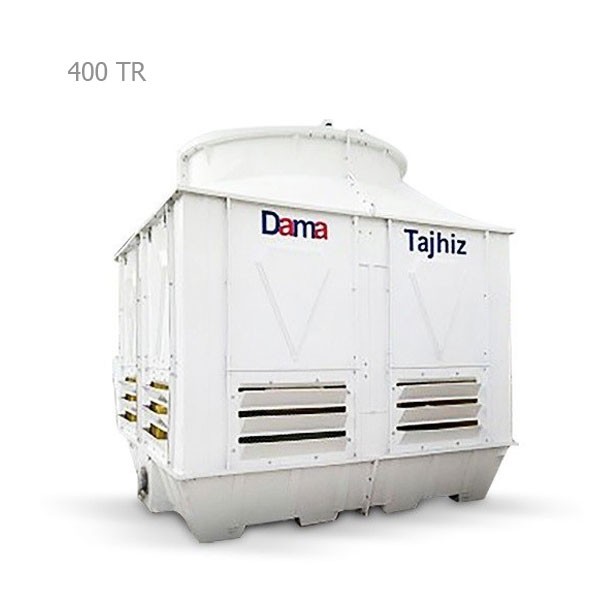
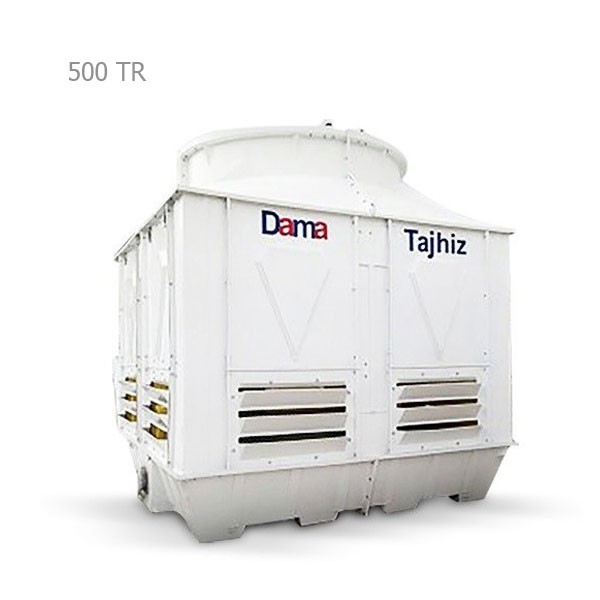
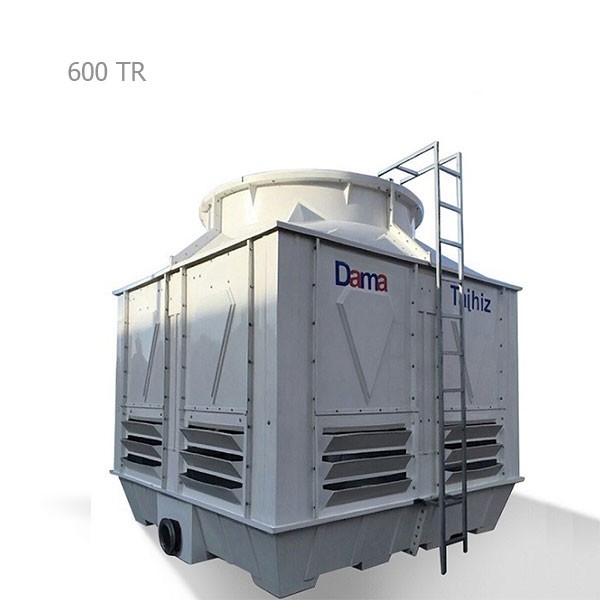
برج خنک کننده فایبرگلاس مکعبی 20 تن تبرید دماتجهیز

برج خنک کننده فایبرگلاس مکعبی 30 تن تبرید دماتجهیز

برج خنک کننده فایبرگلاس مکعبی 40 تن تبرید دماتجهیز

برج خنک کننده فایبرگلاس مکعبی 60 تن تبرید دماتجهیز




سوالات متداول


دفتر مرکزی: تهران - خیابان طالقانی - بین مفتح و بهار - نبش طالبیان - ساختمان ۴۶۳
کارخانه: جاده قدیم ساوه - بعد از سه راهی آدران - شهرک صنعتی قلعه میر - خیابان رینگ کار
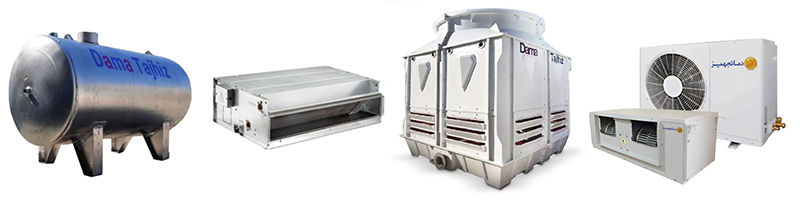
دماتجهیز: مرکز تخصصی و مهندسی تامین تجهیزات تهویه و تاسیسات (از سال 1383)
مجموعه دمـاتجهیـز از سال ۱۳۸۳ بهعنوان اولین و تخصصی ترین عرضه کننده تجهیزات تهویه مطبوع، تجهیزات گرمایش و موتورخانه، تاسیسات استخر، سونا، جکوزی و تجهیزات کنترل فعالیت خود را آغاز نمود. این مجموعه کامل و تخصصی با ارائه محصولات معتبر و با کیفیت بالا در 80 کتگوری و دسته بندی مرتبط، بهعنوان مرجعی قابل اعتماد برای تامین نیازهای انواع سیستمهای تهویه مطبوع و تاسیسات ساختمان در سراسر کشور ایران و حتی کشورهای خاورمیانه، عراق، ارمنستان، ازبکستان، افغانستان، آذربایجان، ترکمنستان و غرب آسیا شناخته میشود.


