
DamaTajhiz Water-Cooled Chiller
Damatech water-cooled compression chillers have been manufactured and supplied since 2004, using high-quality components and equipped with screw and scroll compressors, along with reasonable delivery lead times. In the following sections, the technical specifications, technical requirements, selection guidelines, sales track record, and the best prices of Damatech water-cooled compression chillers, suitable for residential (apartment) and industrial applications, are presented for you.
DamaTajhiz Water-Cooled Chiller Expert Buying Guide and Price List
In general, Damatech water-cooled chillers are manufactured and supplied according to the specific order type and the requirements of valued customers. These chillers are equipped with screw, reciprocating, centrifugal, or scroll compressors from leading and reputable global brands, and are delivered within reasonable lead times. The compressor brand used in Damatech water-cooled compression chillers is selected based on the employer’s request, from well-known manufacturers such as Copeland, Danfoss, Bitzer, and others.
In fact, the water-cooled compression chiller serves as the core component in providing chilled water at 7°C for HVAC systems and industrial refrigeration applications, operating based on the vapor compression refrigeration cycle.
In the HVAC industry, water-cooled compression chillers supply chilled water to the cooling coils of fan coil units (FCUs) and air handling units (AHUs). When compared to air-cooled compression chillers, water-cooled chillers offer higher efficiency and lower initial purchase costs.
Given the wide range of technical aspects associated with water-cooled compression chillers, during the review of technical specifications and prior to placing a purchase order, you are welcome to contact our HVAC sales engineering experts at Damatech Specialized Group to obtain comprehensive information and receive answers to any potential questions.
Review, Selection, and Pricing of HVAC Equipment

DamaTajhiz Water-Cooled Chiller Components
In general, the main components of the DamaTajhiz water-cooled chillers are:
Compressor
The main task of the compressor is the process of compressing the refrigerant gas in a vapor refrigeration cycle. By condensing the refrigerant gas in the compressor, the energy required to circulate it in a closed cycle is created.
Various compressors can be used in water-cooled chillers according to the required capacity, the type of refrigerant gas, the use of the project, the conditions of the installation site, and other factors.
Note: Due to the uneconomical use of screw and centrifugal compressors in low capacities, they are usually used when the estimated production capacity is high.
Condenser
The condenser transfers the total heat of the refrigerant resulting from the compression process in the compressor and also the heat from the endothermic evaporation process in the chiller to the outside environment and ultimately leads to the condensation of the refrigerant vapor in the chiller condenser.
In a water-cooled chiller condenser (made in a shell and tube heat exchanger form), the refrigerant gas exiting the compressor enters the condenser shell at a high flow rate and comes into contact with the cold wall of the pipes through which the flow of cool water (produced by the cooling tower) passes.
As a result, the heat of the refrigerant gas is transferred to the water in the cooling tower which is cooled and converted into a liquid.
Expansion Valve
The expansion valve is installed in the liquid line between the condenser and the evaporator inlet.
The expansion valve is located opposite the compressor in the refrigeration system. While the compressor increases the pressure of the refrigerant and circulates it in the system. The expansion valve reduces the pressure of the refrigerant liquid exiting the condenser and prepares the refrigerant to enter the evaporator and absorb heat from the evaporator environment.
The two important functions of this valve are to reduce the pressure and temperature of the refrigerant liquid and control the flow rate of the refrigerant entering the evaporator of the compression chiller by the temperature of the gas exiting the evaporator.
Expansion valves are designed and manufactured in two types: mechanical (thermostatic) and electronic.
In compression chillers in high capacities, the use of an electronic expansion valve is recommended to adjust the refrigerant flow rate accurately, better control the refrigeration load in partial loads, better performance of the chiller, etc.
Operator
The process of heat absorption and refrigerant evaporation is the last thermodynamic process in the refrigeration cycle, which ultimately leads to the production of cold water by the water-cooled compression chiller.
The evaporator in water-cooled compression chillers operates in the form of an evaporative type, which, in the form of a heat exchanger, transfers the heat of the water flow to the cold incoming refrigerant, thereby reducing the water temperature and completely evaporating the refrigerant liquid.
Heat Exchanger
Usually, two types of heat exchangers are used as evaporators in water-cooled chillers:
Shell & Tube Heat Exchanger
Shell and tube heat exchangers are one of the most common heat exchangers used in air conditioning and industrial cooling devices. They consist of a cylindrical steel shell with several copper pipes inside.
In evaporators with shell and tube heat exchangers, the refrigerant liquid passes through the copper tubes, and the water flows to cool the inside of the shell in contact with the outer surfaces of the U-shaped tube.
By absorbing heat from the walls of the pipes, the coolant reduces the temperature of the pipes and the water in their flow. While reducing the temperature of the water, the refrigerant also evaporates completely after absorbing the heat.
Plate Heat Exchanger
This type of heat exchanger is equipped with thin metal plates that are used to transfer heat between cold and hot fluid flows.
The most important advantage of the plate heat exchangers compared to the shell and tube heat exchangers is that the cold flow of the refrigerant and the hot flow of water are exposed to a greater surface area for heat exchange, as water and coolant are completely distributed on the metal plates. As a result, the heat transfer is better and the water cools down in a shorter time.
For the same volume of cold water, the dimensions of a plate heat exchanger are much smaller than a shell & tube one. But despite the higher thermal efficiency of plate exchangers than shell and tube exchangers, they are mostly used as evaporators in chillers.
The circulating water often has a lot of hardness and solutes, and due to the close distance between the metal plates of the plate exchangers, which have a shorter life, it may become a problem in a short time, and if the plates are damaged, they cannot be repaired and must be replaced with a new one.
Key Factors to Keep in Mind when Buying a DamaTajhiz Water-Cooled Chiller
The following points should be taken into consideration when purchasing a DamaTajhiz water-cooled chiller:
- Due to the need to use a cooling tower as a complementary device alongside water-cooled compression chillers, it is not appropriate to use these chillers in cities and areas with high humid temperatures in summer.
- It is possible to modify water-cooled compression chillers according to the order of the customer in very high capacities.
- The compressors used in DamaTajhiz water-cooled compression chillers are usually from original and popular international brands such as Danfoss, Copeland, Bitzer, etc.
- When ordering the required water-cooled compression chiller, be sure of its exact dimensions to allow the chiller to pass through the engine room door and transfer the water chiller to the foundation of the chiller installation location in the engine room.
- Be informed of the exact weight of the device to provide a suitable transportation and crane for it.
- It is also possible to customize the refrigerant gas (R134, R22, and R407)of DamaTajhiz water-cooled compression chillers based on the specific conditions of the project and the type of the compressor.
- Changes in technical specifications and the need to use special and specialized equipment in the design and manufacture of water-cooled compression chillers are provided based on the type of order of the customer (such as installing and using a steel evaporator or manufacturing special condensers). You can contact the DamaTajhiz HVAC sales team for further information about the device and its price.
- When choosing a water-cooled compression chiller, pay attention to the difference between the nominal capacity and the actual capacity of the chiller. The determining factors in minimizing the difference between the nominal capacity of the chiller and its actual capacity include the length, diameter, number, type of copper pipes, type of evaporator, and the use of quality compressors and original brands.
- The possibility of manufacturing and designing the device as a custom with options such as installing special equipment for the plc system, installing applications and remote control, and installing smart controllers is also possible in the production of DamaTajhiz water-cooled chillers.
DamaTajhiz Water-Cooled Chiller Capacity Determination
In general, installation experts consider the required capacity of a water-cooled compression chiller for each project, which is based on an accurate calculation of the total refrigeration load, in addition to considering parameters such as:
- Geographical conditions and the outdoor temperature in summer
- Altitude above sea level
- Relative humidity
- Type of building
- Type of materials and construction of the building facade
- The orientation of the building relative to the angle of sunlight
- Number of floors and building foundation
- Number of people
- Small or large electrical equipment
- The presence of heat-generating devices
- The required flow rate of cold water in circulation
- The performance coefficient
- The power consumption
If you wish to use the possibility of estimating the approximate capacity of the water-cooled compression chiller required for residential and office buildings you can approximately consider the capacity of 1 ton of refrigeration (12000 BTU) for every 30 to 35 square meters of the useful infrastructure of the building in climatic conditions such:
- Saudi Arabia: Yanbu, Jeddah, Mecca, Al Wajh, Al Hufuf, Unayzah, Buraydah
- Lebanon: Baslouqit, Bdebba, Baddouaa, Abu Saad, Aassoun, Deir Janine, Halba, Hakour, Haizouq
- Yemen: Ayn Milh, Tarim, Ard al Huwayl, Ard as Suqayr, Bayt al Mudir, Al Ma'shur
- Iraq: Amarah, Nasiriya, Kut, Kerbela, Semawa, Badrah, Rafaei
- United Arab Emirates - UAE: Dubai, Difan, Bida, Ghayl, Uwaynat, Ar Rafa'ah, Lazimah, Adh Dhayd, Layyah
- Qatar: Duha, Al Rayyan, Al Daayen, Al Wakrah
- Kuwait: Jahra, Sulaibiya, Al Wafra, Abdaly, Sabriyah
- Syria: Deir ez-Zor, Al Raqqah, Al Hasakah, Hama, Daraa, Aleppo, Homs, Idlib
- Turkey: Cizre, Urfa, Batman, Siirt, Izmir, Adana, Amasya, Istanbul
- Azerbaijan: Saatly, Sabirabad, Zerdab, Imishli, Beilagan
- Armenia: Armavil, Aragatsotn, Yerevan, Syunik, Tavush, Ararat, Kotayk, Lori
Note: Before determining the final capacity and selecting the water-cooled compression chiller required for your project, to finally control the correct calculations and estimates of the refrigeration load and correctly select the capacity of the device, contact the DamaTajhiz HVAC sales team.
Buying DamaTajhiz Water-Cooled Chillers
Before buying a DamaTajhiz water-cooled chiller, it is important to keep in mind a few key factors such as the climate and weather, the device's capacity, the maximum cold water flow, the top note of the required water pressure, etc.
Here at the DamaTajhiz HVAC store technical information and the final price for all models of DamaTajhiz water-cooled chillers with golden warranties have been presented for you to enjoy an optimal and smart shopping experience.
The Price of Damatajhiz Water-Cooled Chillers
Various factors affect the cost and final price of a DamaTajhiz water-cooled compression chiller, such as the actual capacity of the device, technical specifications, the brand of equipment used in the chiller, and smart control equipment.
In addition, the installation price of chillers also varies based on the capacity and dimensions of the device, the specific conditions of each project, and the presence of an expert.
It should be noted that all water-cooled compression chillers offered in the DamaTajhiz HVAC store are reasonably priced, and the discounts desired by customers have already been included in these prices.
Given the high costs of purchasing, implementing, and operating HVAC equipment, including water-cooled compression chillers, it is recommended that you consider the calculations and recommendations of your project's engineers and designers when selecting the capacity of the required chiller.
You can also benefit from the opinions of the DamaTajhiz HVAC engineers and experts to conduct a more detailed calculation and select the right capacity, type, model, and brand.
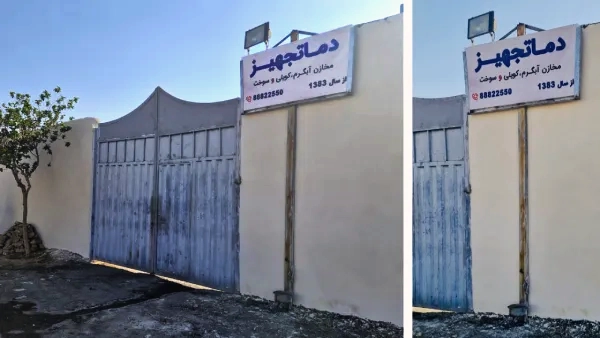
DamaTajhiz Water-Cooled Chiller Top Buyers
While thanking all our dear customers, here's the list of the top 3 buyers of the DamaTajhiz Water-Cooled Chillers:
- Sepehr Sanat Mashiz Co. - Kerman: 1 DamaTajhiz 60-Ton Water-Cooled Compression Chiller(s).
- Engineer Heshmati - Karaj: 1 DamaTajhiz 100-Ton Water-Cooled Compression Chiller(s).
- Fazal Group - Tehran, Elahiyeh: 3 DamaTajhiz 180-Ton Water-Cooled Compression Chiller(s).
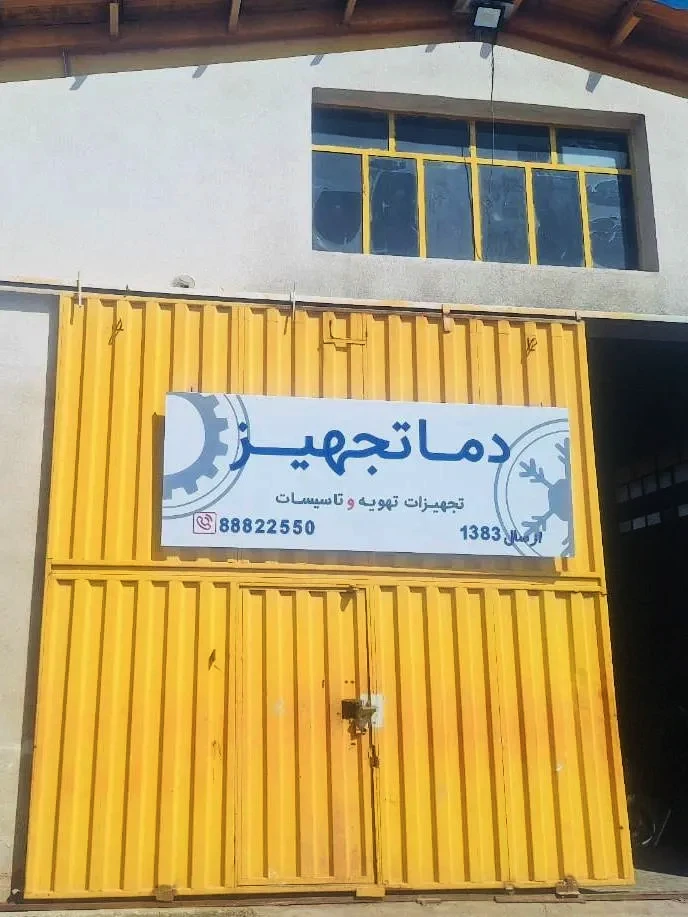
"Knowledge Fuels Better Choices"
Registered Trademark and Stewardship Business Licenses Issued by the Union of Virtual Business Association and the HVAC Equipment Industry.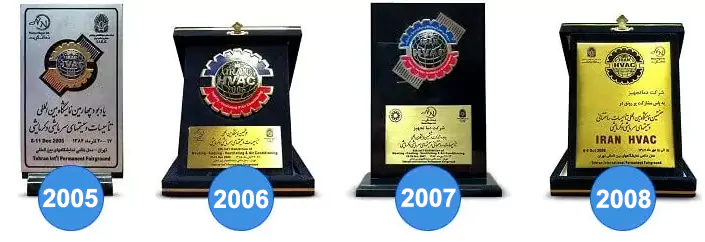
DamaTajhiz HVAC Participation at International HVAC and Construction Facilities Exhibitions Demonstrates its Global Reach and Commitment to the Industry.

We Look Forward to Your Call and the Opportunity to Meet With You
SHARE THIS CONTENT TO SPREAD THE KNOWLEDGE
 |
 |
 |
 |
 |


Head Office: No. 463,Talebian Alley,Taleghani St.Tehran,Iran

DamaTajhiz has provided the opportunity to sell and ship specialized HVAC equipment for applicants in the following countries as the first and the most popular online store for selling HVAC equipment (Heating , Ventilation , Cooling , Air conditioning) in the Middle East : Afghanistan – Tajikistan - Uzbekistan – Turkmenistan – Azerbaijan – Armenia – Georgia – Turkey – Iraq – Syria – Jordan – Kuwait – Emirates – Qatar – Oman.


