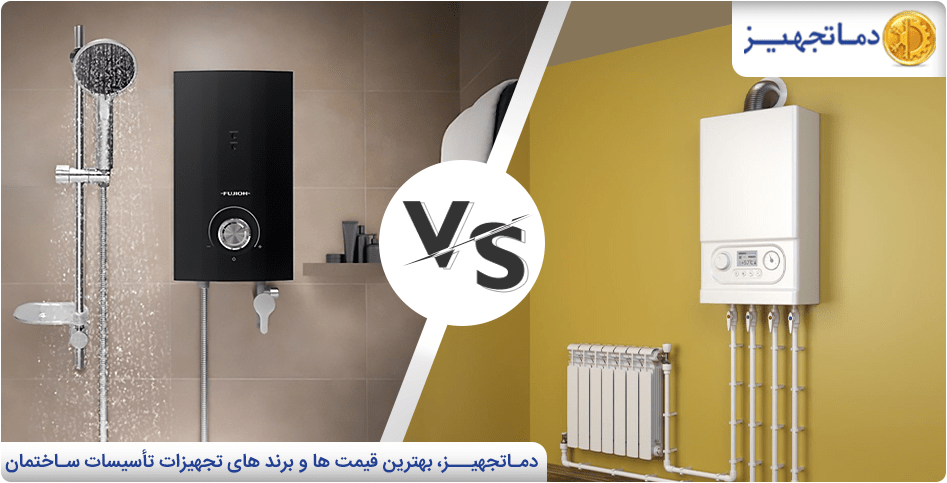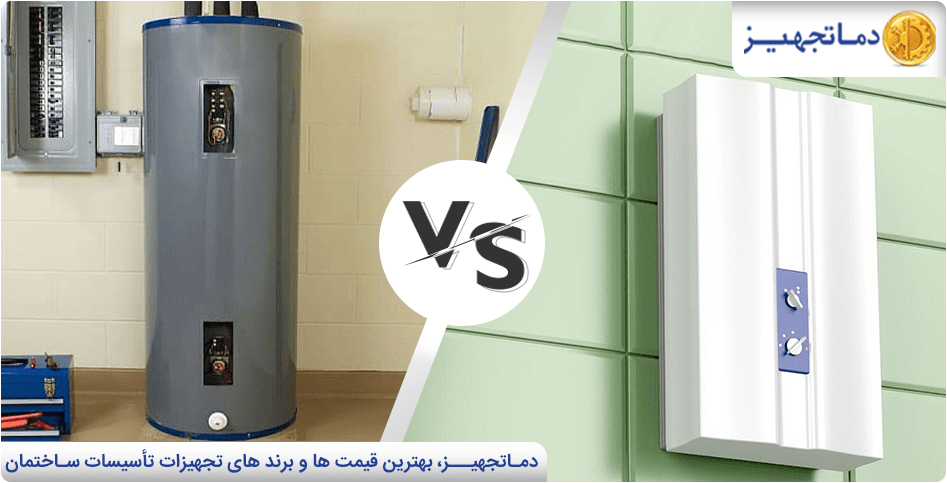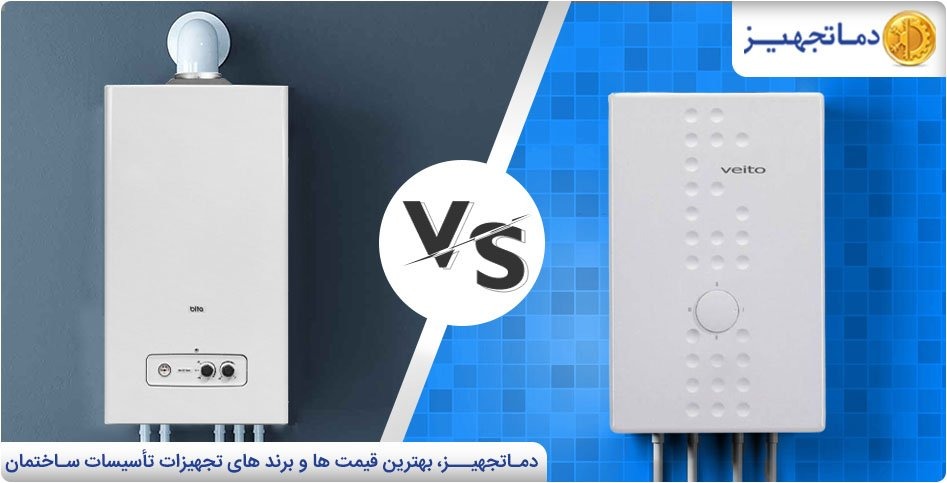
One of the most commonly used appliances, available in various types thanks to advancements in technology, is the electric water heater. Using an electric water heater helps reduce environmental pollution, making it an eco-friendly option. Villas, residential complexes, and especially small homes and workshops can use electric water heaters to avoid the risks of carbon monoxide poisoning caused by incomplete gas combustion. If you're planning to buy a water heater and have questions like "Is an electric water heater dangerous?", "Are electric water heaters good?", or "How much electricity does an electric water heater use?", stay with us. We'll introduce the main components, advantages, disadvantages, and help you choose the best electric water heater for your specific needs.

Electric Water Heater Main Components
Understanding the key components of an electric water heater helps you select the most suitable model for your application. It also allows you to troubleshoot or even repair the unit. Stay with us to learn more about each part of the electric water heater to comprehend it in all its details.
Electric Water Heater's Hot Water Tank
One of the most essential parts of a storage-type electric water heater is its tank, made in various capacities and usually constructed from durable metal or stainless steel sheets. Since the water is stored inside this tank, the heating element and part of the thermostat are located there as well. The tank includes four main pipes:
• Inlet pipe: for bringing cold water into the heater tank
• Outlet pipe: for sending hot water to the bathroom, sink, and other sanitary uses
• Drain valve: used when the water heater needs to be emptied for repair or relocation
• Pressure relief valve: if the water becomes too hot, it releases extra hot water to reduce pressure and temperature—a crucial safety feature in closed systems like heaters.
Heating Element in Electric Water Heater
Its main role is to convert electric energy into heat, raising the temperature of the water. It's made of aluminum, nickel, or chrome, and to prevent short circuits, it's embedded in ceramic powder or porcelain. It’s also coated with stainless steel to resist corrosion and rust.
Casing of the Electric Water Heater
All types of appliances, as like water heaters, have an outer body. The body of electric heaters, often made from thick steel sheets, is painted in different ways for durability and aesthetics.
Thermostat in Electric Water Heater
The thermostat is a key component responsible for automatically controlling the water temperature. It operates independently and consists of multiple subparts.
Electric Water Heater Indicator Lamp
As the name suggests, the lamp indicates the operation status of the electric heater’s element. If the unit malfunctions, the indicator will also show irregular behavior. It’s installed in parallel with the heating element and works when the element is on or off. Its operating voltage is 220V.
Wiring and Heat-Resistant Insulation
In homes with separate electric circuits, it is recommended to install a dedicated line with at least a 15-amp fuse for the electric heater. The wire cross-section should be at least 1.5 mm², as electric water heaters draw high current. The plug should also be suitable for the heater's power consumption.
Review, Selection, and Pricing of HVAC Equipment
Electric Water Heaters Most Common Uses
You may wonder where and in which types of buildings electric water heaters are typically used. Below are some of the most common installation sites and applications.
Electric Water Heater Use in Villas
One of the main applications of electric water heaters is in villas. Since villas and garden homes are often located outside city areas, they may lack access to natural gas, making electricity the most available energy source for heating water.
Electric Water Heater Use in Cabins and Workshops
Cabins are portable and usually not connected to city gas lines. Frequently located in workshops or remote areas, they benefit greatly from electric water heaters as a practical and efficient hot water solution.
Because some areas and villages in the country do not have gas piping, using an electric water heater for bathing and other household uses can be the best option to provide hygienic and suitable hot water.
Electric Water Heaters Advantages
The main advantage attributed to this type of water heater is its usability in places where access to gas is difficult. Other benefits of using an electric water heater include:
• Silent operation due to the use of electricity
• No need to install a chimney for the electric water heater
• Cleanliness and reduction of environmental pollution risks
• Easy installation and low cost for repair and maintenance
• Longer lifespan due to the absence of flame
• Easy installation without the need for gas piping or chimney
• Reduction of gas piping volume in buildings because electricity is used
• The electric water heater does not require oxygen to consume energy and heat water.
• Using the electric water heater inside buildings makes hot water supply independent for each unit.

Disadvantages of Electric Water Heaters
Like any device, electric water heaters may have flaws or problems. The DamaTajhiz expert team has gathered the disadvantages of electric water heaters in four categories to help you choose more easily.
• Electricity consumption: One disadvantage is that continuous use may lead to high electricity consumption. However, since the product is not always on, the electricity cost is usually not very high. The complete dependency of electric water heaters on electricity distinguishes them from gas water heaters, which can be considered a drawback.
• Water leakage: Leakage is a common issue in all types of water heaters. It can result from high water pressure, overheating, a faulty valve, pipe connection leaks, a broken washer, or a defective tank outlet valve. You can tighten loose screws with a wrench. If leakage is due to tank corrosion, repairing the tank won’t fix it, and the only solution is replacement. Tanks can leak due to corrosion or issues like faulty O-rings. Consider replacing an O-ring or leaving it to a technician.
• Rust scale: Rust (metal corrosion) is a concern that can occur from tank corrosion or a sacrificial anode rod. If the water smells like eggs, replace the rod and disinfect the water by filtering it. If the anode rod is broken, replace it with a magnesium anode rod. A damaged anode rod can release hydrogen. To solve this, first flush the water heater, then wash the tank and pipes for two hours with a solution of 2 cups (0.47 liters) 3% hydrogen peroxide and 40 cups (9.46 l) water. If the smell continues, replace the rod with a new zinc alloy anode rod.
• Scale buildup: This happens because of sediment buildup and boiling water inside the tank. To fix it, wash the tank thoroughly and remove all sediment. If the difficulty persists, replace the water heater tank.
Your source for selecting and purchasing ventilation and HVAC equipment (since 2004)
Electric Water Heater Buying Tips
When buying an electric water heater, many points should be considered to ensure you get a device that performs as you expect. These important factors are:
Capacity and Size of the Electric Water Heater
For models with tanks, the capacity should be between 50 and 80 liters. Certainly, larger capacity products are preferred for large families. For wall-mounted models, the size of the product should be considered; naturally, the bigger it is, the more water it can heat per minute. Therefore, capacity and size selection depend on hot water usage and family size.
Electricity Consumption of Electric Water Heaters
Considering the high cost of energy resources like electricity and gas, when buying an electric water heater, pay attention to the energy consumption rating of the product. Nowadays, most home appliances, especially heating and cooling devices, are tested in certified labs for energy consumption and have specific energy grades. For the best choice, select a model with energy grade A.
Durability and Quality of the Electric Water Heater
Another important point for buying a good electric water heater is to pay close attention to product standards and certifications, which indicate high manufacturing quality and longer lifespan. One of the major advantages of buying a standard water heater is reduced repair needs. Even if you pay a higher price for a certified electric water heater, you can be sure it will work efficiently for many years and require less maintenance.
Safety and After-Sales Service of the Electric Water Heater
To ensure the safety of an electric water heater, check for features like safety valves, automatic shut-off systems, and similar items. If you lack expertise in this area, ask DamaTajhiz experts for advice. Regarding after-sales service, one of the key factors when buying installation equipment is having reliable after-sales support within the device’s service area.
Electric Water Heater at a Glance
At the specialized DamaTajhiz collection, technical information on dozens of models of electric water heaters from reputable brands with original warranties is provided, so you can enjoy a smart and optimal buying experience. To review and choose the electric water heater you require, please contact the experts at DamaTajhiz during business hours by calling 021-88822550.

We look forward to your call and are eager to see you at the DamaTajhiz specialized collection
By sharing this article on social networks, inform your friends about its important contents.
| |
||||
| |
|
|