
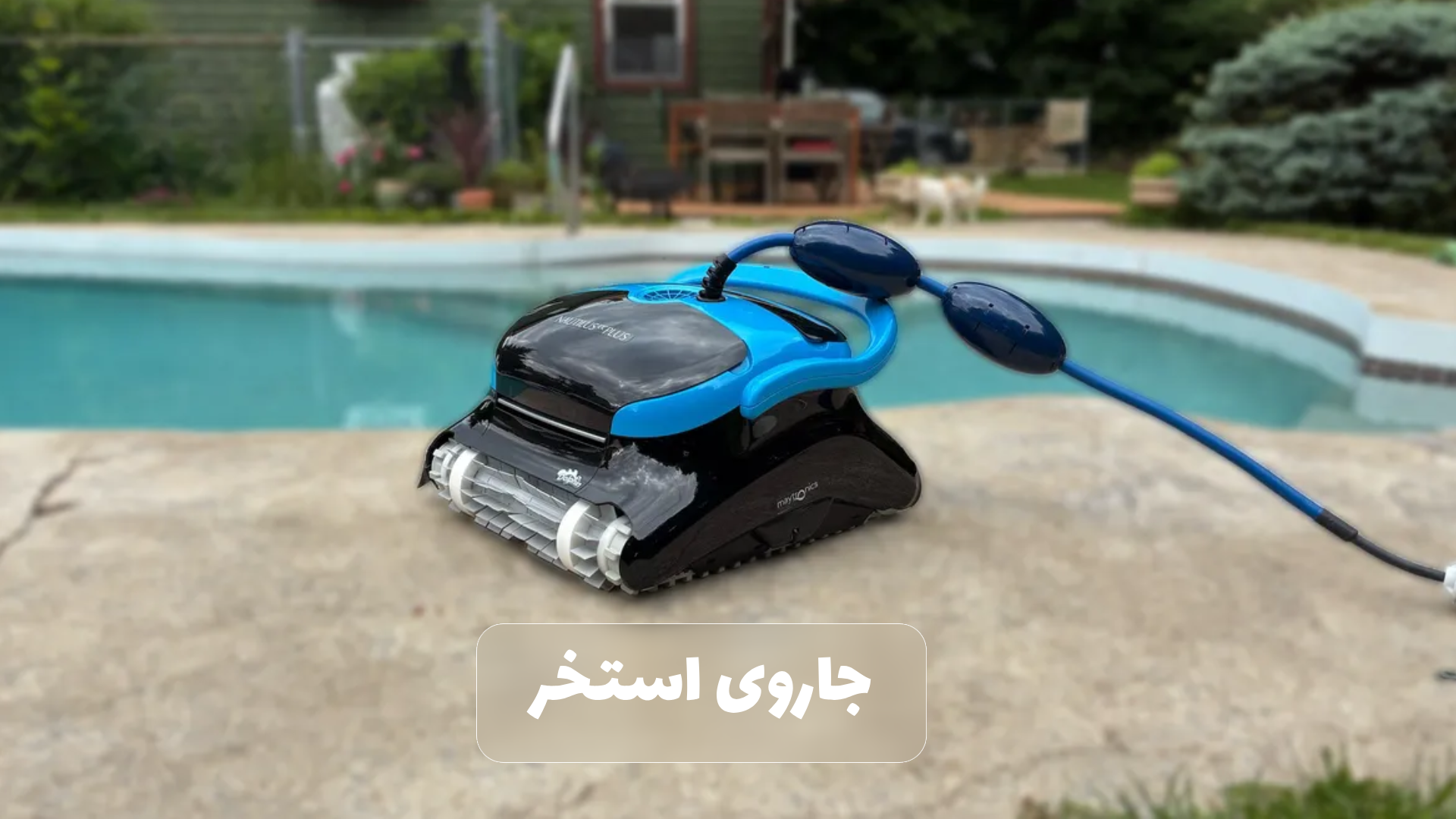
جاروی استخر
برای جمعآوری رسوبات تهنشین شده در کف و دیوارههای استخر، از جاروی استخر استفاده میشود. در ادامه 6 نکته مهم در انتخاب و بهترین قیمت خرید نقد و اقساط جاروی استخر رباتیک و دستی با تحویل رایگان در تهران ارائه شده است.
راهنمای تخصصی انتخـاب و قیمت انواع جاروی استخر
جاروی استخر یکی از مهمترین تجهیزات نظافت و نگهداری استخر است که برای جمعآوری رسوبات، گردوغبار، برگها و سایر آلودگیهای کف و دیواره استخر مورد استفاده قرار میگیرد. جاروی استخری در مدلهای مختلفی طراحی و تولید میشود و هر یک از انواع آن از نظر عملکرد، میزان نظافت، سهولت استفاده و قیمت با یکدیگر تفاوت دارند. به همین دلیل، انتخاب صحیح و استفاده ماهانه از جاروی استخر تأثیر مستقیمی بر کیفیت نظافت آب استخر های روباز خواهد داشت.
انواع جاروی استخر عبارتاند از:
- جاروی استخری دستی
- جاروی استخری نیمهاتوماتیک
- جاروی استخری تماماتوماتیک (رباتیک)
پیش از انتخاب و خرید جاروی استخر، لازم است شرایط استخر و نیازهای بهرهبرداری آن را بررسی کنید تا بتوانید مناسبترین مدل را از نظر عملکرد و قیمت انتخاب نمایید.
6 نکته مهم در انتخاب جاروی استخر عبارتاند از:
- نوع جاروی استخر
- سهولت استفاده و بهره برداری
- برند و کیفیت ساخت جاروی استخ
- سازگاری با سیستم تصفیه استخر
- ابعاد، حجم و نوع استخر (معمولا روباز)
- قیمت جاروی استخر و هزینههای بهرهبرداری
در مجموعه دماتجهیز، انواع جاروهای استخری دستی، نیمهاتوماتیک و تماماتوماتیک با مشخصات فنی و قیمت بهروز ارائه میشود. در ادامه، انواع مدلها، تفاوتها، عوامل مؤثر بر قیمت و نکات مهم خرید بررسی خواهد شد تا بتوانید بهترین گزینه را انتخاب کنید.
دمـاتجهیـز؛ راهنمای انتخاب، قیمت و تامین تجهیزات تهویه و تاسیسات (از سال 1383)
نکات مهم در خرید جاروی استخر
انتخاب جاروی استخر فقط به قیمت یا برند محدود نمیشود؛ بلکه باید بر اساس نوع استخر، میزان آلودگی، سطح انتظار از نظافت و نوع عملکرد دستگاه انجام شود. اگر انتخاب درستی انجام نشود،
1- نوع جاروی استخر (مهمترین معیار انتخاب)
اولین قدم در خرید، مشخص کردن نوع جارو است. جاروهای استخری به سه گروه اصلی تقسیم میشوند:
جاروی دستی که با اتصال به پمپ و هدایت کاربر کار میکند و برای استخرهای کوچک و کممصرف مناسب است و برای هربار استفاده نیاز به هواگیری مجدد دارند.
جاروی نیمهاتوماتیک که بخشی از فرآیند نظافت را بهصورت خودکار انجام میدهد و به سیستم فیلتراسیون متصل میشود.
جاروی رباتیک یا تماماتوماتیک که بدون نیاز به دخالت کاربر و با موتور داخلی و سنسورهای جارو ، کل استخر را بهصورت هوشمند تمیز میکند و پیشرفتهترین گزینه محسوب میشود.
2- ابعاد و نوع استخر
ابعاد استخر نقش مستقیم در انتخاب جارو دارد. استخرهای بزرگ یا عمومی نیاز به مدلهای قویتر با پوششدهی بیشتر دارند، در حالی که استخرهای خانگی معمولاً با مدلهای سادهتر نیز بهخوبی تمیز میشوند.
3- جنس سطح استخر
جنس کف و دیواره استخر باید در انتخاب جارو در نظر گرفته شود. سطوح صاف مانند کاشی و فایبرگلاس به برس نرم نیاز دارند، در حالی که سطوح بتنی یا زبر به برسهای مقاومتر احتیاج دارند تا آلودگیها بهتر جدا شوند.
4- قدرت مکش و کیفیت تمیزکاری
قدرت مکش تعیین میکند که دستگاه تا چه اندازه میتواند ذرات ریز، رسوبات و جلبکها را جمعآوری کند. در مدلهای حرفهای، سیستم مکش قویتر و پایدارتر باعث تمیزکاری کاملتر و سریعتر میشود.
5- توانایی تمیز کردن دیواره و خط آب
یکی از نقاط مهم در استخر، خط آب و دیوارههاست که بیشترین آلودگی در آن تجمع پیدا میکند. جاروهای خوب باید توانایی بالا رفتن از دیواره و پاکسازی این بخشها را داشته باشند.
6- سیستم فیلتراسیون و نحوه جمعآوری آلودگی
نوع فیلتر دستگاه (کارتریجی یا کیسهای) در کیفیت نظافت و راحتی استفاده تأثیر دارد. فیلترهای کارتریجی شستوشوی سادهتری دارند و برای استفاده مداوم مناسبتر هستند.
7- طول کابل یا ظرفیت باتری
در مدلهای سیمدار، طول کابل باید متناسب با ابعاد استخر باشد تا تمام نقاط بهخوبی پوشش داده شوند. در مدلهای رباتیک، ظرفیت باتری و مدت زمان کارکرد اهمیت بیشتری دارد.
8- سیستم هوشمند و نحوه حرکت
مدلهای پیشرفته دارای سیستم ناوبری هوشمند هستند که باعث میشود مسیر حرکت دستگاه بهینه شده و تمام بخشهای استخر بدون تکرار یا جا افتادن تمیز شوند.
9- مصرف انرژی و میزان صدا
در استخرهای خانگی، مصرف برق پایین و صدای کم اهمیت زیادی دارد. جاروهای رباتیک جدید معمولاً کممصرفتر و کمصداتر هستند.
10- نگهداری و شرایط استفاده
سهولت شستوشوی فیلتر، مقاومت در برابر کلر، و دسترسی به قطعات یدکی از عوامل مهم در هزینههای نگهداری هستند و باید قبل از خرید بررسی شوند.
11- گارانتی و خدمات پس از فروش
داشتن گارانتی معتبر و خدمات فنی قابلدسترس، امنیت خرید را بالا میبرد و در صورت خرابی یا نیاز به تعمیر، هزینهها و دردسر را کاهش میدهد.
مزایا و ضرورت استفاده از جاروی استخر
با توجه به این که سیستم تصفیه بهتنهایی نمیتواند تمام آلودگیهای تهنشینشده مانند رسوبات کف، جلبکهای چسبیده به دیواره و ذرات درشت را حذف کند. در نتیجه اگر از جارو استفاده نشود، بهمرور کیفیت آب کاهش پیدا کرده و استخر دچار کدورت و آلودگی میشود.
ضرورت استفاده از جاروی استخر
- جلوگیری از افت کیفیت آب: در صورت عدم نظافت، آب بهمرور کدر و آلوده میشود.
- جلوگیری از رشد جلبک: سطوح تمیز مانع ایجاد لایههای جلبک و لغزندگی در استخر میشود.
- تکمیل عملکرد سیستم تصفیه: برخی آلودگیها وارد فیلتر نمیشوند و نیاز به جمعآوری مستقیم دارند.
- حذف آلودگیهای تهنشینشده :رسوبات و ذراتی که در کف استخر جمع میشوند فقط با جارو قابل حذف هستند.
مزایای استفاده از جاروی استخر
- کاهش هزینههای نگهداری: خرابی و استهلاک تجهیزات در بلندمدت کمتر میشود.
- بهبود بهداشت و ایمنی استخر: محیط تمیزتر، شرایط بهتری برای شناگران ایجاد میکند.
- کاهش فشار روی سیستم تصفیه: فیلتر و پمپ کمتر درگیر آلودگیهای سنگین میشوند.
- افزایش شفافیت آب : جمعآوری مداوم آلودگیها باعث شفافتر شدن آب استخر میشود.
- افزایش عمر تجهیزات استخر: کاهش بار آلودگی باعث افزایش طول عمر سیستم میشود.
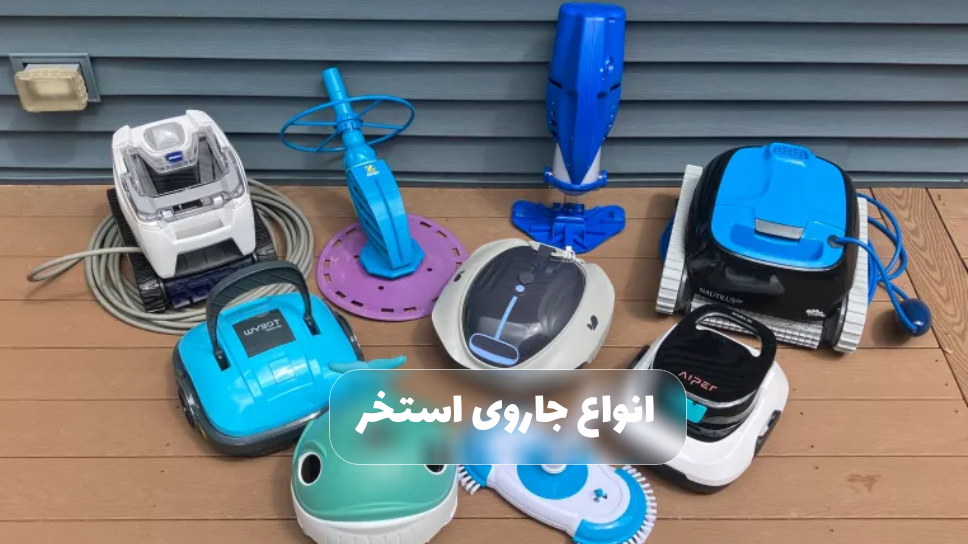
انواع جاروی استخر
جاروی استخر با توجه به تکنولوژی ساخت، سطح کارایی و نوع نیاز کاربران در مدلهای مختلفی طراحی و تولید میشود. انتخاب نوع مناسب آن بستگی به ابعاد استخر، میزان استفاده و همچنین بودجه در نظر گرفتهشده دارد. به طور کلی، جاروهای استخر در سه گروه اصلی دستهبندی میشوند.
1- جاروی استخری دستی
این مدل از جاروی استخر سادهترین و اقتصادیترین نوع جارو است که بیشتر در استخرهای خانگی یا کوچک استفاده میشود. این مدل توسط کاربر هدایت شده و از طریق اتصال به پمپ تصفیه یا شلنگ مکش، آلودگیها و رسوبات را جمعآوری میکند.
هرچند زمان بیشتری برای نظافت نیاز دارد، اما هزینه اولیه آن پایینتر است و برای استخرهایی با حجم محدود گزینه مناسبی به شمار میآید.
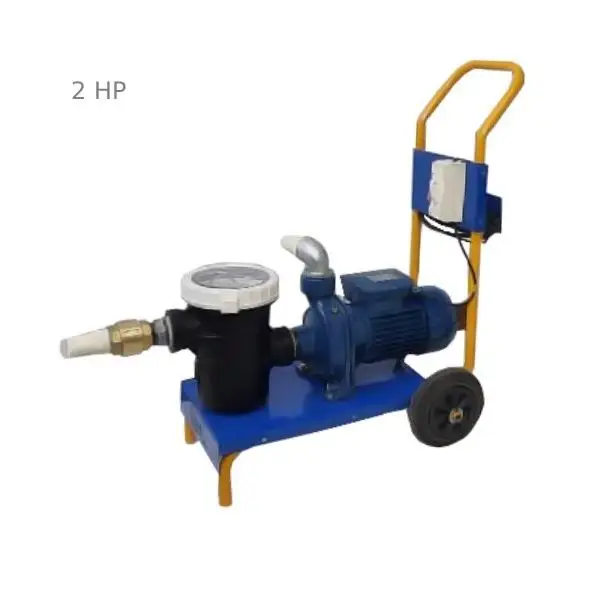
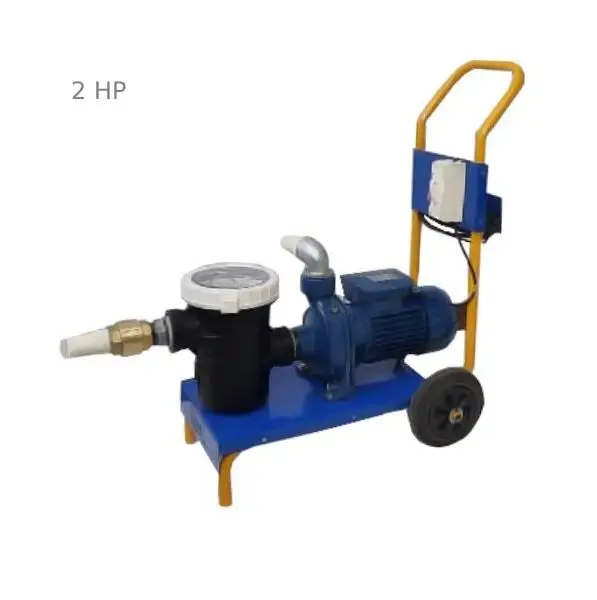
ساخت جاروی دستی استخر به صورت سفارشی و بنا به نیاز خریدار از نظر قدرت پمپ و طول شلنگ در دو مدل بدون فیلتر تصفیه آب استخر و با فیلتر تصفیه تولید و عرضه می گردند.
1-1 جاروی دستی فیلتردار استخر
این مدل مشابه جاروی دستی معمولی است اما مجهز به فیلتر داخلی برای جمعآوری ذرات ریز و برگهاست.
این ویژگی باعث کاهش نیاز به سیستم تصفیه مرکزی میشود. کاربری نسبت به جاروی دستی معمولی سادهتر است و آب استخر تمیزتر باقی میماند.
برای استخرهای خانگی یا کوچک که تمیزی سریع و موثر نیاز دارند، گزینهای مناسب است.
تفاوت جاروی دستی و جاروی دستی فیلتردار استخر
جاروی دستی استخر در دو نوع معمولی و فیلتردار عرضه میشود که هرکدام عملکرد متفاوتی در فرآیند نظافت و مدیریت آب استخر دارند. در ادامه تفاوت این دو مدل را بررسی میکنیم:
| ویژگی ها | جاروی استخری دستی معمولی | جاروی استخری دستی فیلتردار |
| نحوه عملکرد | حذف آلودگی ها بصورت دستی | مکش آب و عبور ذارت از فیلتر داخلی جارو |
| وضعیت آب خروجی | دفع کامل آب آلوده | بازگشت آب تصفیه شده به استخر |
| مصرف آب | بالا و همراه با هدر رفت آب | بسیار کم و بهینه |
| نوع فیلتراسیون | ندارد | دارای فیلتر داخلی معمولا کارتریجی |
| نگهداری | ساده تر اما وابسته به سیستم تصفیه | نیاز به شست و شو دوره ای فیلتر |
|
هزینه مصرفی |
بیشتر به دلیل اتلاف آب | اقتصادی تر در بلندمدت |
| کاربرد مناسب | استخر های کوچک تر | استخر بزرگ تر با نیاز به مصرف بهینه |
دمـاتجهیـز؛ هـــزاران محصـول برای هـــزاران پــروژه مهندسی و صنعتی (از سال 1383)
2- جاروی استخری اتوماتیک
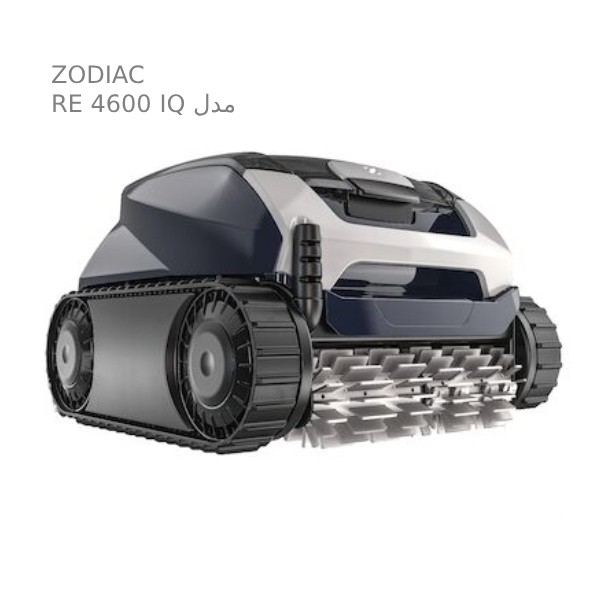
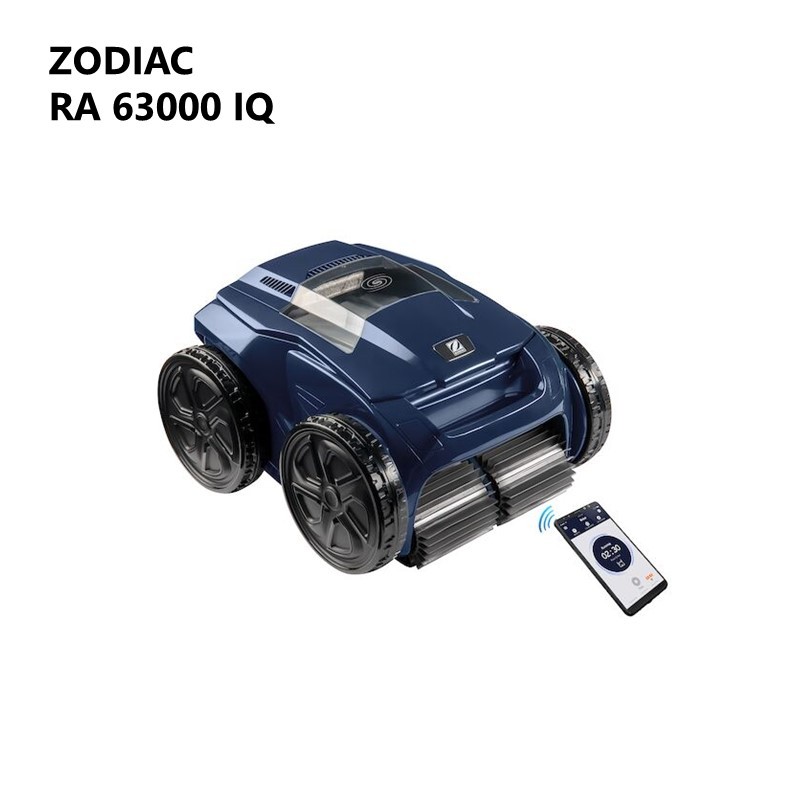
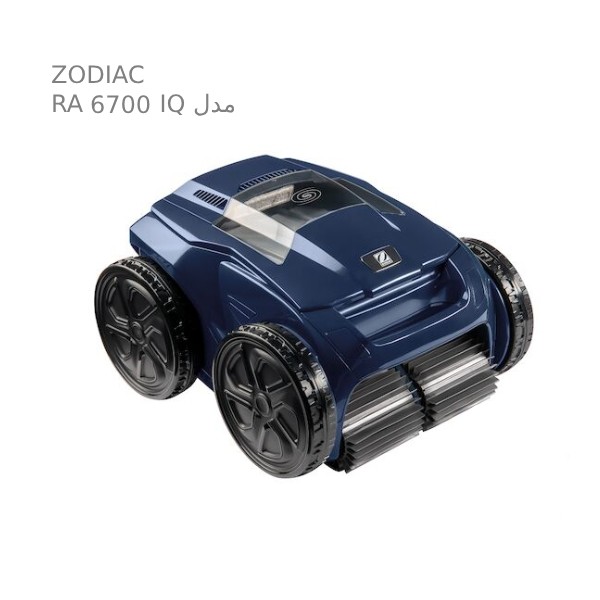
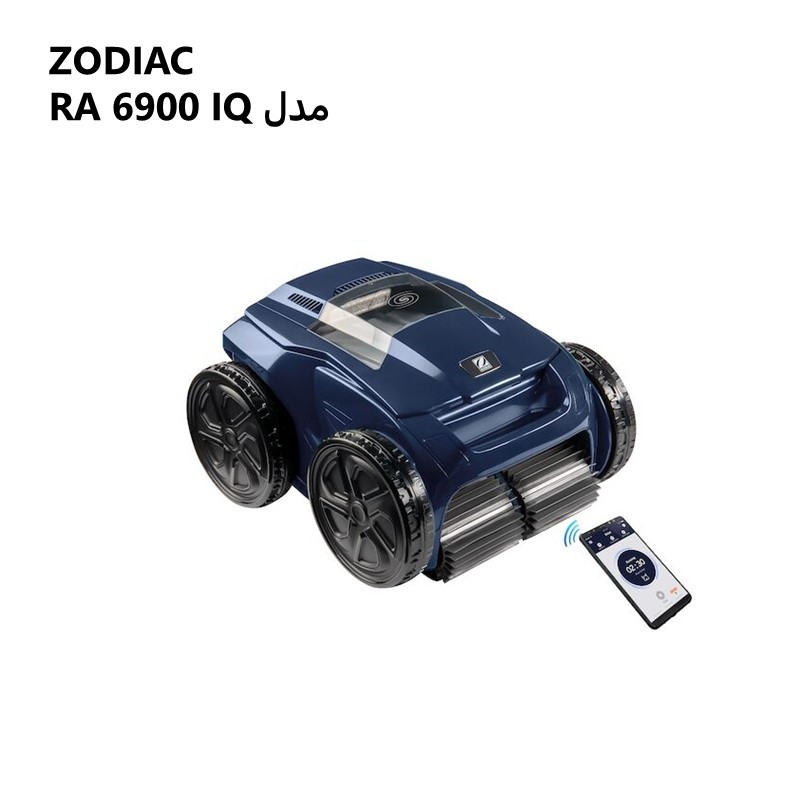
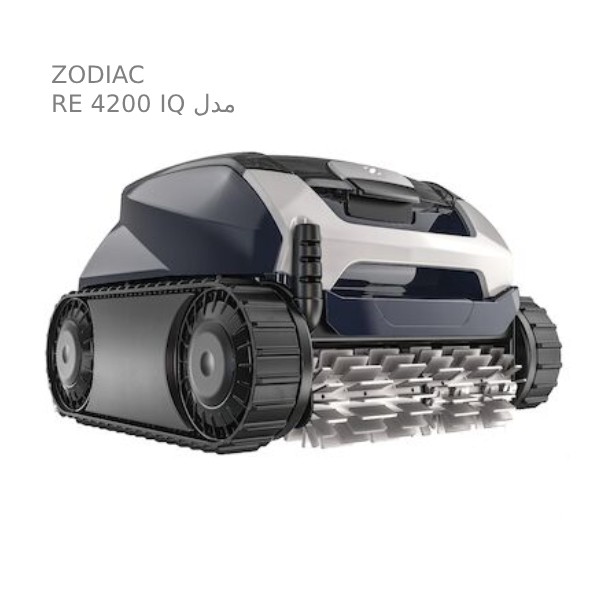
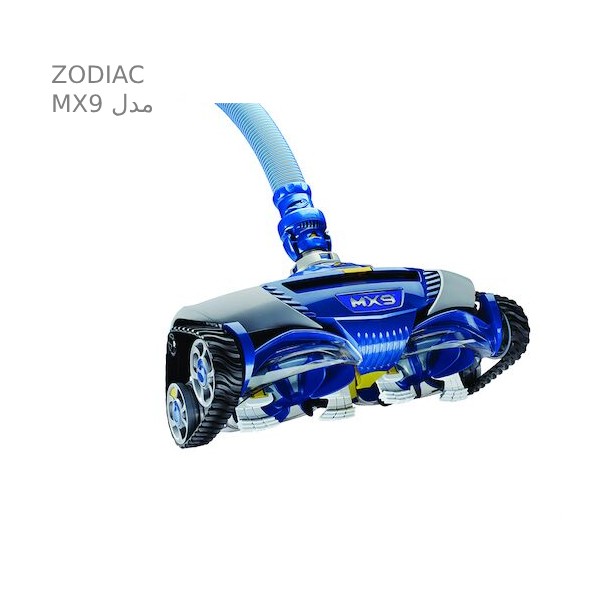
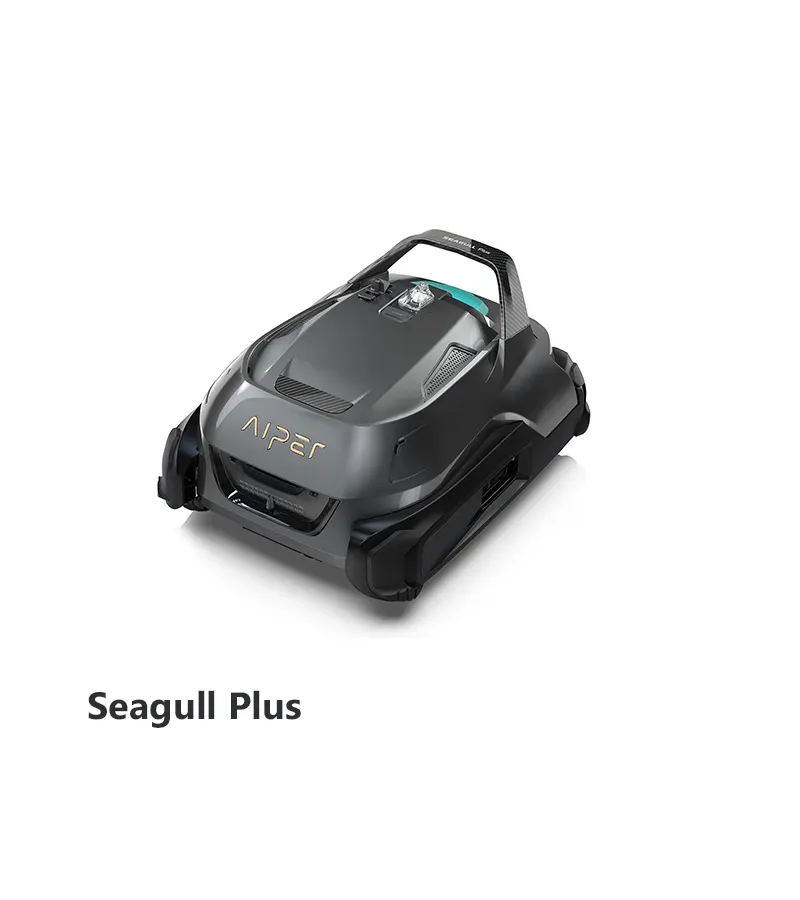
در واقع جاروی استخر اتوماتیک پیشرفتهترین و کارآمدترین نوع جارو محسوب میشود. این دستگاهها به موتور و سیستم فیلتراسیون داخلی مجهز هستند و کاملاً مستقل از پمپ استخر عمل میکنند.
جاروهای رباتیک توانایی حرکت هوشمند در کف، دیواره و حتی گوشههای استخر را دارند و با صرفهجویی در زمان، کمترین نیاز به نیروی انسانی را ایجاد میکنند.
هرچند قیمت آنها بالاتر است، اما به دلیل عملکرد قوی و کاهش هزینههای نگهداری در بلندمدت، انتخابی ایدهآل برای استخرهای بزرگ یا عمومی به شمار میآیند.
1-2 جاروی استخری نیمهاتوماتیک
این مدل نسبت به مدل دستی کارایی بیشتری دارد. این نوع جارو به مدار تصفیه استخر متصل میشود و با مکش قوی، بخش قابلتوجهی از آلودگیهای کف و دیوارهها را بدون نیاز به دخالت مستقیم کاربر جمعآوری میکند. در این مدل هنوز بخشی از فرآیند نیاز به نظارت اپراتور دارد، اما سرعت و دقت نظافت نسبت به جاروهای دستی بسیار بالاتر است.
کافیست جاروی نیمه اتوماتیک استخر را به پمپ تصفیه آب استخر یا اسکیمر استخر خود متصل نموده و در کف استخر قرار دهید تا با استفاده از پمپ و نیروی مکش آن جارو در تمامی نقاط کف و دیواره استخر در کف حرکت کند.
جارو از قسمت زیرین شروع به جمع کردن تمام ذرات، آلودگی ها و ذرات ته نشین شده در کف استخر می کند و سپس دیواره ها را تمیز می کند و این امکان برای شما فراهم است تا پس از انجام کار جاروی نیمه اتوماتیک خود را از استخر خارج کنید.
مقایسه جاروی استخری اتوماتیک و دستی
انتخاب و خرید جاروی استخرمناسب، تأثیر مستقیمی بر عملکرد و طول عمر سیستم تصفیه و بهبود کیفیت آب استخر دارد. در حالی که جارو استخری دستی به دلیل سادگی ساختار و قیمت پایینتر در استخرهای کوچک کاربرد دارد، جاروی استخری اتوماتیک با بهرهگیری از تکنولوژیهای هوشمند، استانداردهای جدیدی را در نظافت استخرها تعریف کرده است. در ادامه، بررسی فنی این دو نوع جاروی استخر ارائه شده است.
| شاخص ارزیابی | جاروی استخر دستی | جاروی استخر اتوماتیک |
| میزان سهولت کاربری | نیازمند به اپراتور و مدیریت دستی | کاملا هوشمند و خودکار |
| دقت در نظافت | وابسته به مهارت کاربر | دارای سیستم هوشمند شناسایی مسیر و موانع |
| مدیریت زمان | وابسته به مهارت نیروی انسانی | صرفه جویی در زمان به واسطه عملکرد مستقل |
| نحوه عملکرد | متصل به اسکیمر پمپ تصفیه استخر | عملکرد مستقل بدون نیاز به پمپ استخر |
| پوشش سطوح | محدود به مهارت اپراتور | نظافت کامل کف دیواره و خط آب |
| صرفه جویی | هزینه خرید اولیه کمتر | هزینه نگهداری پایین و طول عمر بالاتر |
| مناسب برای | استخر های ویلایی و خانگی کوجک | استخرهای بزرگ نیمه عمومی لوکس و تجاری |
دمـاتجهیـز؛ راهنمای تخصصی و مهندسی تامین تجهیزات تهویه و تاسیسات (از سال ۱۳۸۳)
اجزای تشکیل دهنده جاروی استخر
جاروی استخر از چند بخش اصلی تشکیل شده که هرکدام نقش مشخصی در جمعآوری آلودگیها و انتقال آنها به سیستم فیلتراسیون یا مخزن دارند. شناخت این اجزا کمک میکند در زمان خرید یا نگهداری، درک بهتری از عملکرد دستگاه داشته باشید.
1- هد یا بدنه اصلی جارو
بخش اصلی دستگاه است که با سطح استخر در تماس قرار میگیرد. این قسمت با طراحی خاص خود، آلودگیهای کف و دیواره را جدا کرده و به سمت مسیر مکش هدایت میکند.
2- برسها
روی هد نصب میشوند و وظیفه جدا کردن رسوبات، جلبک و آلودگیهای چسبیده به سطح را دارند. جنس و کیفیت برسها تأثیر مستقیم بر قدرت نظافت دارد.
3- شلنگ مکش
مسیر انتقال آب و آلودگی از جارو به سمت فیلتر یا سیستم جمعآوری است. طول و انعطافپذیری آن باید متناسب با ابعاد استخر باشد تا در حرکت دستگاه اختلال ایجاد نکند.
4- چرخها یا سیستم حرکتی
در جاروهای دستی سادهتر و در مدلهای رباتیک پیشرفتهتر هستند و باعث حرکت روان دستگاه روی کف و دیواره استخر میشوند.
5- دسته یا میله تلسکوپی
در مدلهای دستی و نیمهاتوماتیک استفاده میشود و امکان هدایت جارو در بخشهای مختلف استخر را فراهم میکند.
6- فیلتر یا محفظه جمعآوری
در جاروهای رباتیک داخل خود دستگاه قرار دارد و آلودگیها را جدا میکند، اما در مدلهای دیگر این وظیفه به فیلتر مرکزی استخر منتقل میشود.
✅ با تشکـر از توجه و زمان ارزشمندی که شما همراه گرامـی برای مطالعه مطالب فوق صرف کرده اید، لطفا در صورت نیاز به دریافت اطلاعات بیشتـر و پاسخ فوری به سوالات مربوطه، قبل از انتخـاب انواع جاروی استخر موردنیاز، با کارشناسـان بخش فروش مجموعـه تخصصی دماتجهیـز، در ساعات اداری تماس بگیریـد. 88822550-021
نحوه عملکرد جاروی استخر
جاروی استخر با ایجاد مکش، آلودگیهای موجود در کف و دیواره استخر را جمعآوری کرده و به سمت سیستم فیلتراسیون یا مخزن جمعآوری هدایت میکند. این فرآیند باعث حذف رسوبات، برگها، جلبکها و سایر ذراتی میشود که توسط سیستم تصفیه بهتنهایی قابل حذف نیستند.
1- جداسازی آلودگی از سطح استخر
در ابتدا برسها یا غلتکهای جارو، آلودگیهای چسبیده به کف و دیواره را از سطح جدا میکنند تا آماده جمعآوری شوند.
2- مکش و انتقال آلودگیها
پس از جدا شدن آلودگیها، ذرات توسط جریان مکش به داخل شلنگ یا محفظه جارو منتقل میشوند. در مدلهای دستی و نیمهاتوماتیک این آلودگیها وارد فیلتر استخر شده و در مدلهای رباتیک داخل فیلتر یا مخزن داخلی دستگاه جمعآوری میشوند.
3- بازگشت آب تمیز به استخر
پس از جداسازی آلودگیها، آب تصفیهشده دوباره به استخر بازمیگردد. تکرار منظم این فرآیند به حفظ شفافیت آب، جلوگیری از رشد جلبکها و کاهش فشار روی سیستم تصفیه کمک میکند.
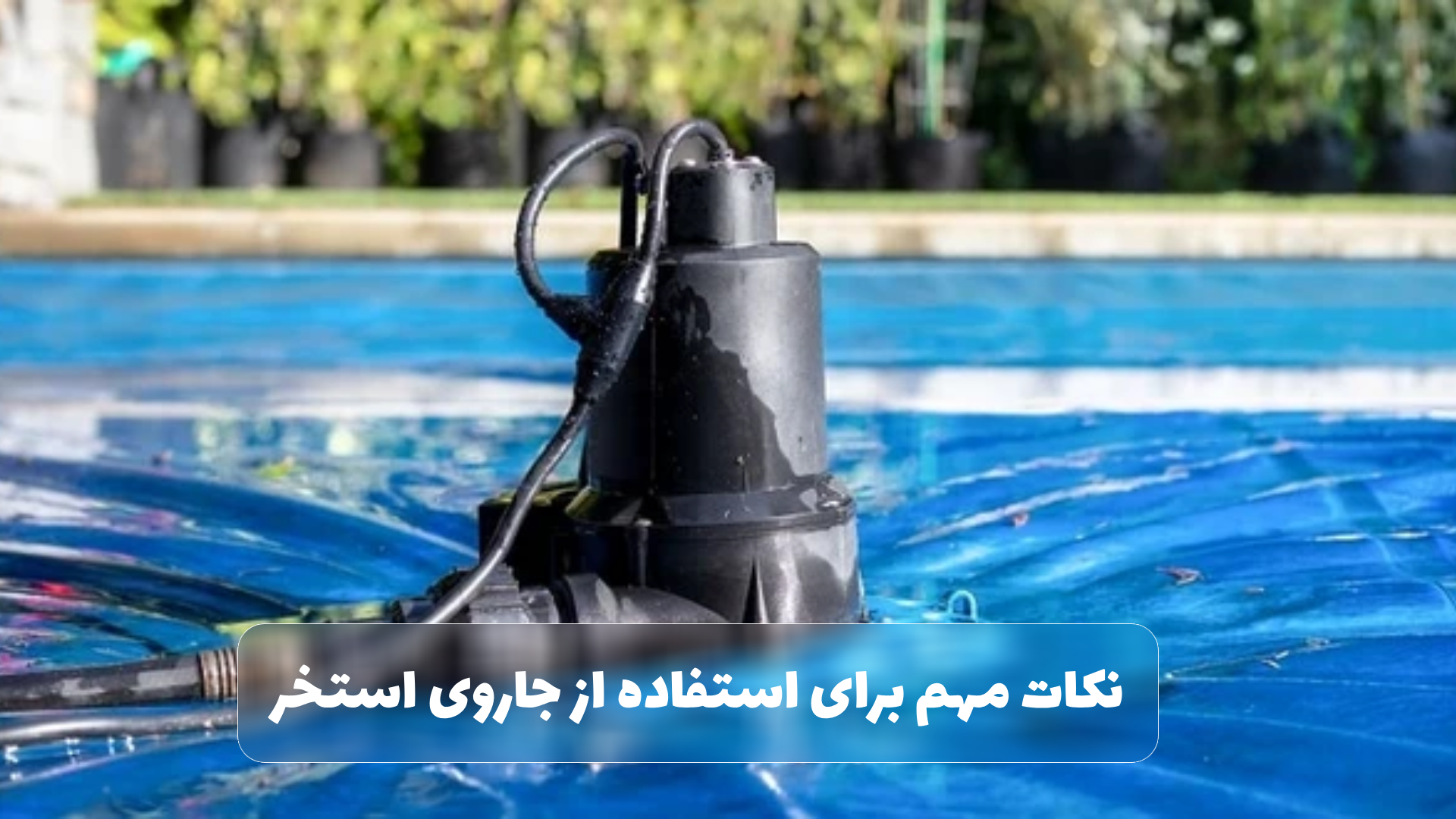
10 نکته مهم برای استفاده از جاروی استخر
استفاده منظم و ماهانه از جاروی استخر نه تنها باعث تمیز و زلال شدن آب استخر میشود، بلکه عمر مفید تجهیزات استخر را نیز افزایش میدهد. در ادامه نکات مهم و کاربردی را در خصوص استفاده از جارو استخر بررسی میکنیم:
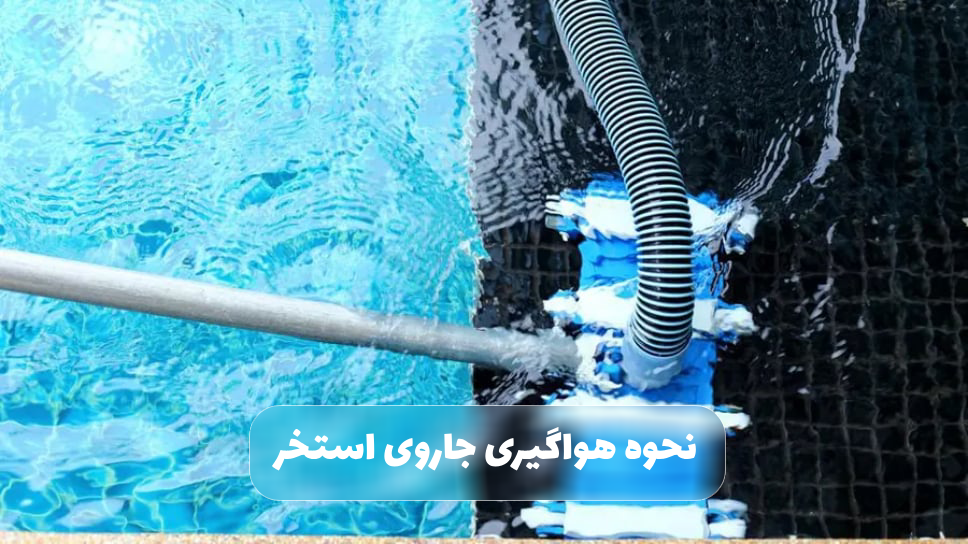
1- نحوه هواگیری جارو استخر
یکی از مهمترین مراحل پیش از شروع استفاده از جاروی دستی استخر، هواگیری شلنگ جارو است. وجود هوا در داخل شلنگ یا محفظه جارو، باعث کاهش قدرت مکش و اختلال در عملکرد جاروی استخر میشود. برای هواگیری، لازم است شلنگ جارو را به آرامی داخل آب قرار دهید تا تمام حبابها خارج شوند، سپس آن را به ورودی مکش یا اسکیمر متصل کنید. این کار از وارد شدن هوا به سیستم تصفیه و آسیب دیدن پمپ نیز جلوگیری میکند.
2- بررسی و آمادهسازی استخر قبل از استفاده
قبل از روشن کردن جاروی استخر، ذرات بزرگ مانند برگ و شاخهها را با شبکه جمعآوری کنید تا فیلتر جارو سریع پر نشود. مطمئن شوید که سطح آب کافی است تا مکش جاروی هیدرولیکی یا اتوماتیک با مشکل مواجه نشود.
3- استفاده صحیح از جاروهای دستی
هنگام جارو کردن کف استخر، حرکت باید آرام و یکنواخت باشد به علاوه گوشهها و دیوارهها را با زاویه مناسب تمیز کنید تا ذرات و آلودگی های فیزیکی به فیلتر برسند و جذب آن شوند.
4- استفاده از جاروهای اتوماتیک و هیدرولیکی
مسیر حرکت جارو را طبق راهنمای تولیدکننده هر برند تنظیم کنید تا تمام کف استخر پوشش داده شود. برخی مدلها دارای حالت مکش قوی برای آلودگیهای زیاد هستند؛ در این شرایط قدرت مکش را افزایش دهید اطمینان حاصل کنید که جارو گیر نکرده و به خوبی در کف و دیوارهها حرکت میکند.
5- نگهداری و تمیز کردن فیلتر
بعد از هر بار استفاده، فیلتر یا کیسه جارو را خالی، شسته و خشک کنید تا مانع رشد باکتری و آسیب به دستگاه شود. فیلترهای فلزی و پلاستیکی را بر اساس دستورالعمل تولیدکننده بررسی و تمیز کنید.
6- بررسی کابل و اتصالات (برای جاروهای برقی)
کابل جارو را روی سطح آب یا اطراف استخر جمع و کنترل کنید تا پیچ خوردگی یا آسیب نبیند. از اتصالات سالم و ضدآب استفاده کنید تا خطر برقگرفتگی کاهش یابد.
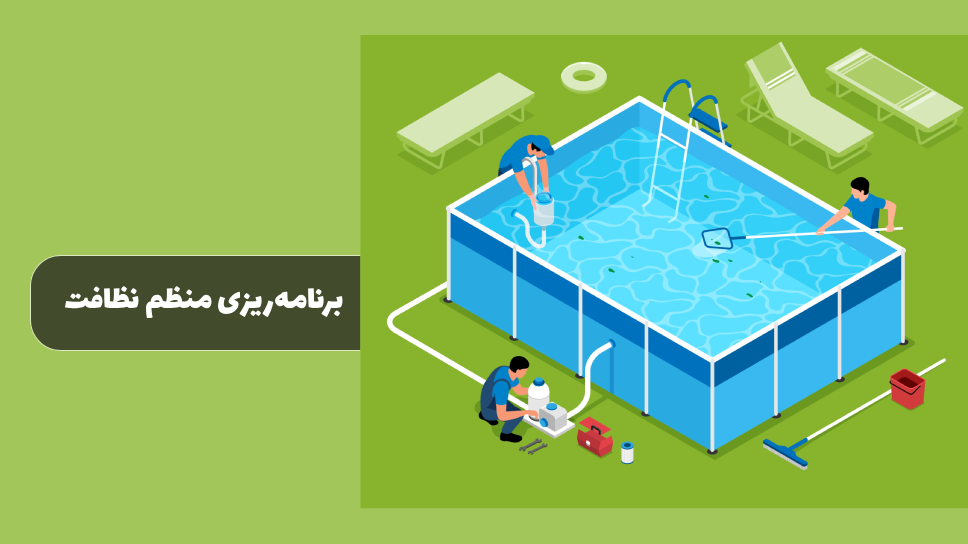
7- برنامهریزی منظم نظافت
استخرهای خانگی کوچک: حداقل ۱ تا ۲ بار در ماه استفاده از جارو استخر کافی است. استخرهای بزرگ یا عمومی بهتر هر هفته جارو شود. جاروهای اتوماتیک را میتوان بر اساس زمانبندی خودکار تنظیم کرد تا بدون دخالت دست، استخر تمیز شود.
8- بررسی سیستم تصفیه و پمپ استخر
مطمئن شوید که پمپ و فیلتر استخر به درستی کار میکنند و فشار آب مناسب برای جاروی هیدرولیکی یا اتوماتیک فراهم است. در صورت استفاده طولانی، فیلتر و موتور را بررسی و تمیز کنید تا عملکرد جارو تحت تاثیر قرار نگیرد.
9- استفاده از محصولات مکمل
در کنار جارو، استفاده از مواد ضد جلبک و شفافکننده آب باعث تمیزی بهتر استخر میشود. برای جلوگیری از تجمع رسوبات و شن، بهتر است استخر را به صورت دورهای شستشو دهید.
10- نگهداری دستگاه در فصل غیر استفاده
در فصول سرد که استخر به ندرت استفاده می شود، جارو استخر را خشک کرده، فیلترها را جدا و در محیط خشک نگهداری کنید. برای جاروهای اتوماتیک، کابل و موتور را از آب دور نگه داریدتا دستگاه آسیب نبیند.
دمـاتجهیـز؛ مرکز تخصصی تامیـن تجهیـزات تهویـه و تاسیسـات (از سـال ۱۳۸۳)
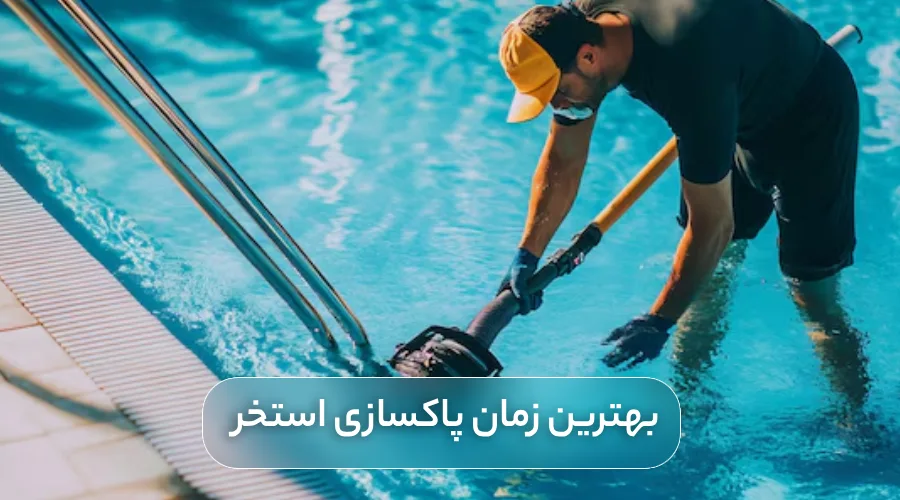
بهترین زمان پاکسازی استخر
پاکسازی منظم استخر نقش بسیار مهمی در حفظ شفافیت آب، جلوگیری از رشد جلبکها و افزایش عمر تجهیزات تصفیه دارد. انتخاب بهترین زمان برای نظافت استخر باعث میشود فرآیند تمیزکاری با کارایی بالاتر و مصرف انرژی کمتر انجام شود. در طول فصول گرم سال که میزان استفاده از استخر بیشتر است و دمای هوا رشد باکتریها و جلبکها را تسریع میکند، توصیه میشود عملیات پاکسازی استخر حداقل دو تا سه بار در هفته انجام شود.
برای استخرهای روباز که در معرض گرد و غبار، برگ درختان و حشرات قرار دارند، مناسبترین زمان برای جارو زدن یا پاکسازی استخر ساعات اولیه صبح یا اواخر عصر است. در این زمانها شدت تابش آفتاب کمتر است و دمای آب شرایط ایدهآلی برای انجام نظافت فراهم میکند. همچنین، در دمای پایینتر، ذرات معلق کمتر در سطح آب پخش میشوند و جاروکردن کف و دیوارهها با دقت و سرعت بیشتری انجام میگیرد.
در صورتی که از جاروهای تماماتوماتیک یا رباتیک برای نظافت استخر استفاده میکنید، محدودیتی در زمان استفاده وجود ندارد و میتوان عملیات پاکسازی را در هر ساعت از شبانهروز انجام داد. با این حال، اجرای برنامه منظم هفتگی برای شستوشو و حذف رسوبات از کف و دیوارهها، به حفظ کیفیت آب، افزایش بهرهوری سیستم تصفیه و کاهش هزینههای نگهداری کمک چشمگیری میکند.
دمـاتجهیـز؛ بهترین قیمت ها و برندهای معتبر تجهیزات تهویه و تاسیسات (از سال ۱۳۸۳)
خرید اقساطی جاروی استخر
در واقع خرید جاروی استخر بهخصوص مدلهای اتوماتیک و پیشرفته، گاهی میتواند هزینه بالایی داشته باشد و برای برخی خریداران فشار مالی ایجاد کند. به همین دلیل، بسیاری از مجموعههای معتبر از جمله دماتجهیز امکان خرید اقساطی جاروی استخر را برای مشتریان فراهم کردهاند.
با انتخاب خرید اقساطی، شما میتوانید:
- هزینه خرید را در چند قسط پرداخت کنید و فشار مالی را کاهش دهید.
- بهجای انتخاب مدلهای ارزانتر و کمکیفیت، سراغ جاروی استخر باکیفیتتر و بادوامتر بروید.
- همزمان از تخفیفها و تضمین بهترین قیمت جاروی استخر نیز بهرهمند شوید.
بنابراین اگر به فکر داشتن یک استخر همیشه تمیز هستید اما نمیخواهید بودجه زیادی را یکباره هزینه کنید، خرید جاروی استخر به صورت اقساطی میتواند بهترین راهکار برای شما باشد.
لیست قیمت جاروی استخر 1405
گام اول برای انتخاب و خرید جاروی استخر این است که چه مدل جارو، با چه امکانات و قیمتی را در نظر دارید زیرا همانطور که گفته شد جاروی استخر به سه دسته جاروی دستی، اتوماتیک و جاروی استخر نیمه اتوماتیک تقسیم می شوند که تفاوت بین آنها در بالا توضیح داده شده و در جدول پایین نیز قیمت جاروی استخر درج شده است.
| برند های موجود جاروی استخر | قیمت حدودی ( تومان) |
|---|---|
| جاروی استخر دماتجهیز | 47،500،000 تا 66،500،000 |
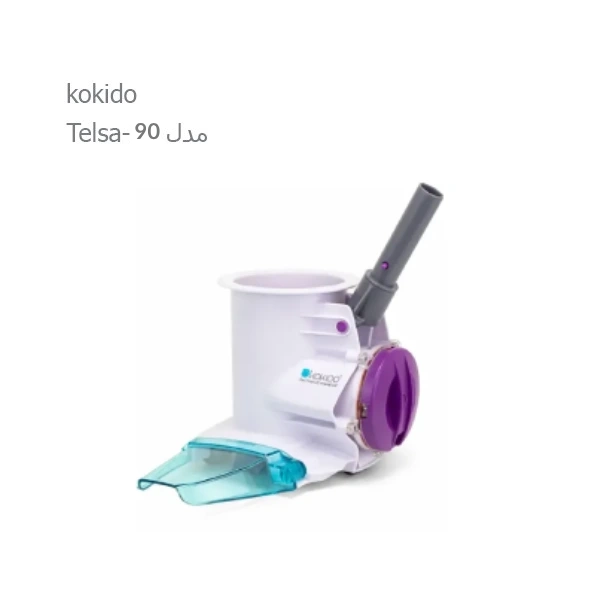
| جاروی استخر کوکیدو | 26،880،000 تا 72،380،000 |
| جاروی استخر زودیاک | 602،300،000 تا 853،700،000 |
| جاروی استخر ایپر | استعلامی |
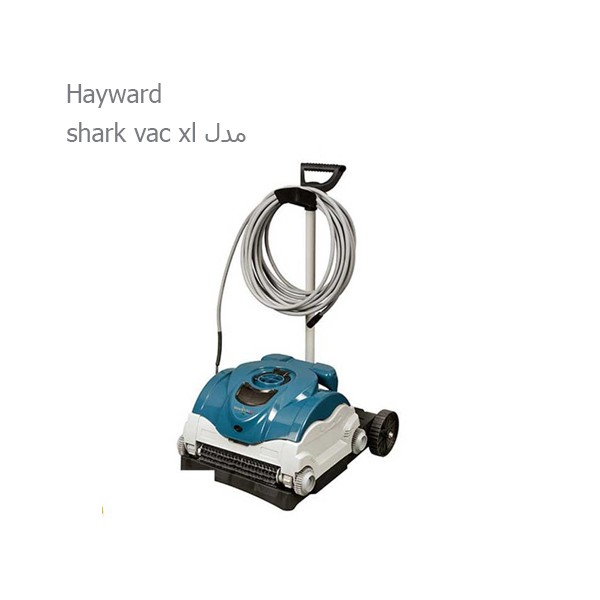
| جاروی استخر هایوارد | استعلامی |
قیمت جاروی استخری اتوماتیک
در واقع قیمت جارو استخر اتوماتیک تحتتأثیر عوامل گوناگونی از جمله نوع موتور مکش، توان تمیزکنندگی، برند تولیدکننده و سطح فناوری بهکاررفته در آن تعیین میشود.
در مدلهای جدید، استفاده از سیستمهای هوشمند اسکن سهبعدی و فیلترهای چندمرحلهای موجب افزایش دقت در پاکسازی و کاهش مصرف انرژی شده است.
ازاینرو، قیمت جاروی استخر اتوماتیک بسته به ظرفیت عملکرد و امکانات جانبی آن، در بازهای گسترده از مدلهای اقتصادی تا نمونههای پیشرفته مخصوص استخرهای عمومی متغیر است.
در مجموعه دماتجهیز، تمامی انواع جارو استخری با اطلاعات فنی کامل و قیمتهای بهروز ارائه میشوند تا مشتریان بتوانند انتخابی آگاهانه و متناسب با نیاز خود داشته باشند.

تهیه و تنظیم توسط دپارتمان مهندسی بخش تجهیزات استخر، سونا، جکوزی دماتجهیز
- کاربر گرامی :
- ضمن تشکر از جنابعالی جهت اطمینانی که به نظرات فنی کارشناسان تخصصی فروش دماتجهیز دارید، لازم به ذکر است انتخاب برند محصول موردنظر براساس سابقه ، قدرت برند ، خدمات و قیمت محصول نهایتا توسط خریدار تعیین میگردد. اما در انواع جاروی استخر، اغلب کاربران و خریداران محترم برندهای پرفروشی مانند دماتجهیز، هایوارد (Hayward)، کوکیدو، دماتجهیز و... را با توجه به کیفیت، قیمت جاروی استخر و خدمات بعد از فروش آنها انتخاب و خرید مینمایند.
- چنانچه پس از مطالعه مطالب ارائه شده فوق، سوالات بیشتری جهت تصمیمگیری برای خرید انواع جاروی استخر دارید، میتوانید پس از تماس با مجموعه دماتجهیز و شمارههای داخلی 103 – 105- 106، از کارشناسان فروش بخش تجهیزات استخر، سونا و جکوزی مشاوره بگیرید و سوالات خود را مطرح نمایید.
- با توجه به اینکه مجموعه تخصصی دماتجهیز ارائه دهنده انواع جاروی استخر در منطقه خاورمیانه است، چنانچه برای هریک از کشورهای منطقه نیاز به POOL CLEANER دارید، می توانید سفارش خرید خود را با اطمینان خاطر، گارانتی محصول و قیمت مناسب به کارشناسان فروش ما بسپارید.
"از دماتجهیز با اطمینان و خیال آسوده خرید کنید"

گواهینامـه ثبت علامت تجـاری + گواهینامـههای پروانـه کسـب از اتحادیـههای اصنـاف لوازم شوفاژ و تهویـه مطبـوع + اتحادیـه تخصصـی تولیـدکنندگان تجهیـزات تهویـه مطبـوع و شوفـاژ + اتحادیـه کسبوکارهای مجـازی

حضور دماتجهیز در نمایشگاه های بین المللی تاسیسات ساختمانی و سیستمهای سرمایشی و گرمایشی
بیشتر ببینید ، بهتر انتخاب کنید
کاربر گرامی : در صورت انجام خرید اینترنتی محصولات گروه جاروی استخر از سایت مرجع دماتجهیز، از امکان تحویل در مدت 4 تا 6 ساعت کاری در تهران (و 2 روز کاری برای شهرستانها) برخوردار خواهید شد.
مجموعه تخصصی دماتجهیز علاوه بر جواز کسب معتبر از اتحادیه صنف شوفاژ و تهویه مطبوع، دارای نماد اعتماد الکترونیکی بوده و فعالیت خود را از سال 1383 در دفتر مرکزی تهران آغاز نموده است.

منتظر تماس و مشتاق دیدارتان در مجموعه تخصصی دمـاتجهیــز هستیم
با اشتراک گذاری متون فوق در شبکه های اجتماعی، دوستان خود را از مطالب مهم آن آگاه سازید.






سوالات متداول


دفتر مرکزی: تهران - خیابان طالقانی - بین مفتح و بهار - نبش طالبیان - ساختمان ۴۶۳
کارخانه: جاده قدیم ساوه - بعد از سه راهی آدران - شهرک صنعتی قلعه میر - خیابان رینگ کار
دماتجهیز: مرکز تخصصی و مهندسی تامین تجهیزات تهویه و تاسیسات (از سال 1383)
مجموعه دمـاتجهیـز از سال ۱۳۸۳ بهعنوان اولین و تخصصی ترین عرضه کننده تجهیزات تهویه مطبوع، تجهیزات گرمایش و موتورخانه، تاسیسات استخر، سونا، جکوزی و تجهیزات کنترل فعالیت خود را آغاز نمود. این مجموعه کامل و تخصصی با ارائه محصولات معتبر و با کیفیت بالا در 80 کتگوری و دسته بندی مرتبط، بهعنوان مرجعی قابل اعتماد برای تامین نیازهای انواع سیستمهای تهویه مطبوع و تاسیسات ساختمان در سراسر کشور ایران و حتی کشورهای خاورمیانه، عراق، ارمنستان، ازبکستان، افغانستان، آذربایجان، ترکمنستان و غرب آسیا شناخته میشود.


میخواستم تشکر کنم با فیلمی که برای هواگیری جارو گاری دار برام فرستادید مشکلم حل شد