
گرمکن استخر
انتخاب و خرید گرمکن استخر مستلزم توجه به حجم آب استخر، مشخصات فنی و ظرفیت گرمایشی گرمکن آب استخر است. در ادامه انواع پکیج گرمایشی آب استخر و قیمت ویژه آن ارائه می گردد. (از سال 1383)
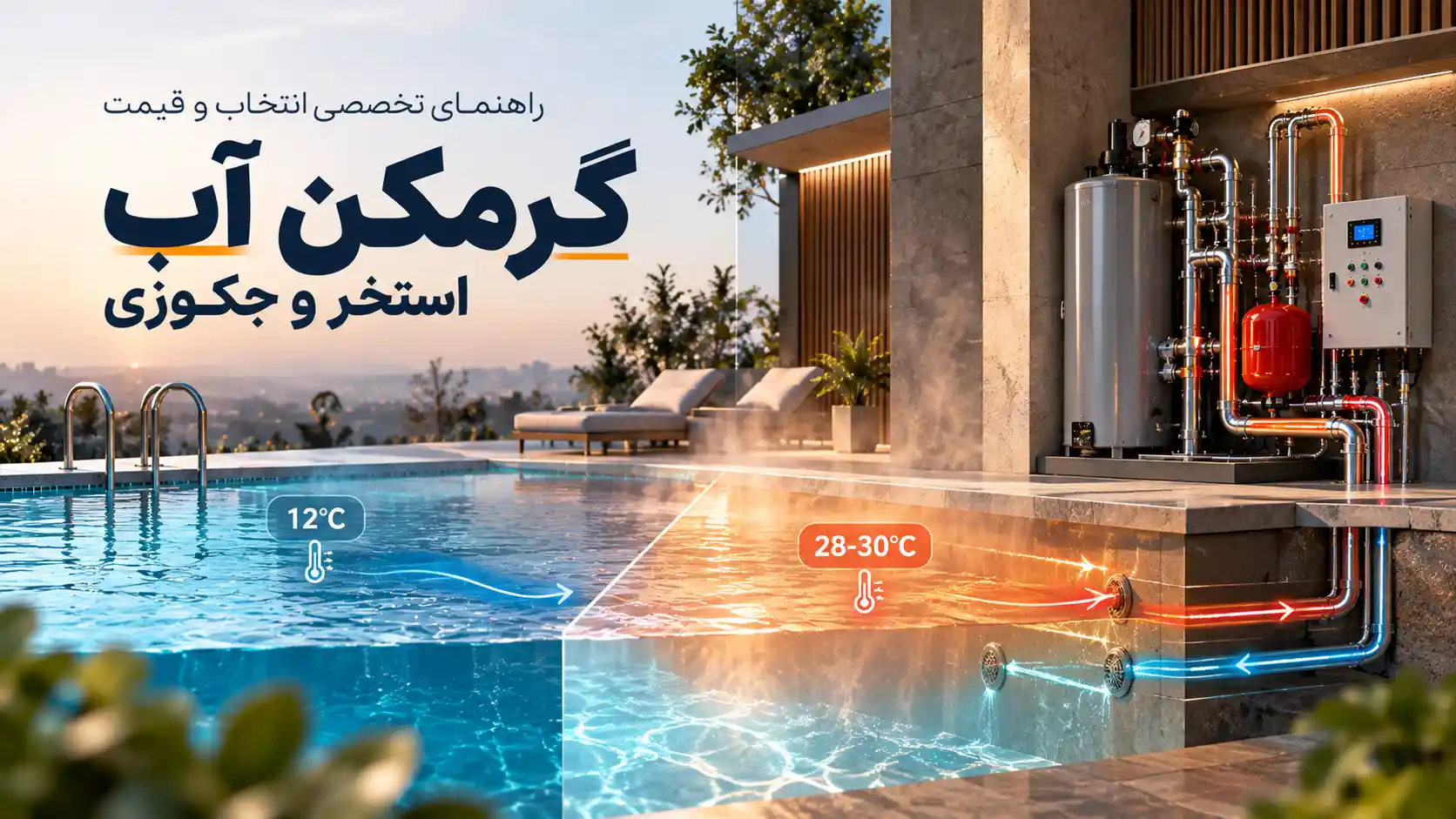
راهنمای تخصصی انتخـاب و قیمت گرمکن آب استخر و جکوزی
گرمکن آب استخر دستگاهی است که با افزایش دمای آب استخر و جکوزی را محدوده تنظیم شده، شرایط دمایی مناسب آب استخر و جکوزی را برای رفاه فراهم میسازد. تنظیم صحیح دما علاوه بر کاهش تبخیر و خصوصا کاهش رطوبت در استخرهای سرپوشیده، به پایداری شرایط محیطی کمک میکند.
با توجه به اینکه دمای آب ورودی استخر ها قبل از عملیات گرمایش حدود 12 درجه سلنتی گراد است و این دما برای افراد، خصوصا خانم ها و بچه ها لذت بخش نیست، در استخر های لوکس و مجهز معمولا از روش های مختلفی برای گرمایش آب استخر و ایجاد رفاه و آسایش بیشتر استفاده می کنند.همچنین توجه به مدیریت دمای مناسب آب استخر که معمولاً باید بین 27 تا 29 درجه سانتیگرادو برای دمای آب جکوزی بین 40 تا 43 درجه سانتیگراد باشد در کاهش هزینه های سوخت نیز مهم تلقی می شود.
برای خرید گرمکن استخر و جکوزی باید عواملی مانند حجم آب، ظرفیت حرارتی مورد نیاز، نوع سوخت و منبع انرژی، شرایط روباز یا سرپوشیده بودن استخر، راندمان دستگاه، کیفیت مبدل حرارتی و امکانات کنترلی را در نظر گرفت. همچنین قیمت گرمکن بر اساس ظرفیت، نوع سیستم، برند و تجهیزات بهکاررفته متفاوت است و بهتر است در کنار قیمت، هزینه مصرف انرژی و شرایط نگهداری دستگاه نیز بررسی شود.در ادامه، مهمترین نکات انتخاب و خرید گرمکن استخر و جکوزی را بررسی میکنیم تا بتوانید متناسب با نیاز پروژه، انتخاب دقیقتر و مطمئنتری داشته باشید.
دمـاتجهیـز؛ راهنمای انتخاب، قیمت و تامین تجهیزات تهویه و تاسیسات (از سال 1383)
گرمکن آب استخر چیست و چگونه کار می کند؟
دمای طبیعی آب ورودی به استخرها ( چه از چاه و چه از طرق دیگر پر شوند) بین 10 تا 12درجه سانتیگراد( سلسیوس) است که این دمای آب برای بسیاری از افراد بخصوص خانم ها و کودکان دمای پایینی است و شنا کردن در این دمای آب حتی در تابستان برای آنها نه تنها لذت بخش نیست بله اذیت کننده است !
گرمکن آب استخر یکی از اصلیترین تجهیزات برای استفاده بهینه و راحت از استخر و جکوزی های خانگی و عمومی است. همانطور که میدانیم آب استخر در تماس مستقیم با هوای محیط قرار دارد و بهویژه در فصول سرد، دمای آب کاهش پیدا میکند. شنا کردن در آب سرد برای اغلب افراد نه تنها لذتبخش نیست، بلکه میتواند باعث بروز مشکلاتی مانند گرفتگی عضلات یا افت دمای بدن شود. اینجاست که اهمیت استفاده از سیستمهای گرمایش استخر و بهطور خاص گرمکن استخر بیشتر معلوم میشود.
به زبان ساده، گرمکن آب استخر دستگاهی است که وظیفه دارد آب استخر یا جکوزی را به دمای ایدهآل برساند و آن را در همان محدوده ثابت نگه دارد. بر اساس استانداردها، دمای مناسب آب استخر معمولاً بین ۲۷ تا ۲۹ درجه سانتیگراد و برای جکوزی بین ۴۰ تا ۴۳ درجه سانتیگراد در نظر گرفته میشود.
در بسیاری از ویلاها و استخرهای خصوصی، از پکیج گرمایش استخر استفاده میشود که علاوه بر استخر، آب گرم جکوزی را نیز تأمین میکند.
پکیج گرمکن استخر چیست و چگونه کار میکند؟
پکیج گرمکن استخر یکی از تجهیزات اصلی سیستم گرمایش است که برای افزایش و حفظ دمای آب استخر مورد استفاده قرار میگیرد. این سیستم با دریافت انرژی از یک منبع حرارتی مانند بویلر یا سایر تجهیزات گرمایشی، حرارت را از طریق مبدل حرارتی به آب استخر منتقل میکند.
عملکرد صحیح پکیج گرمکن استخر به هماهنگی میان منبع حرارتی، مبدل حرارتی، پمپهای سیرکولاسیون، تجهیزات کنترلی و سیستم فیلتراسیون وابسته است. انتخاب ظرفیت مناسب این تجهیزات باید با توجه به حجم آب استخر، دمای مطلوب، شرایط محیطی، میزان اتلاف حرارت و نوع کاربری استخر انجام شود.
اجزای پکیج گرمایشی استخر
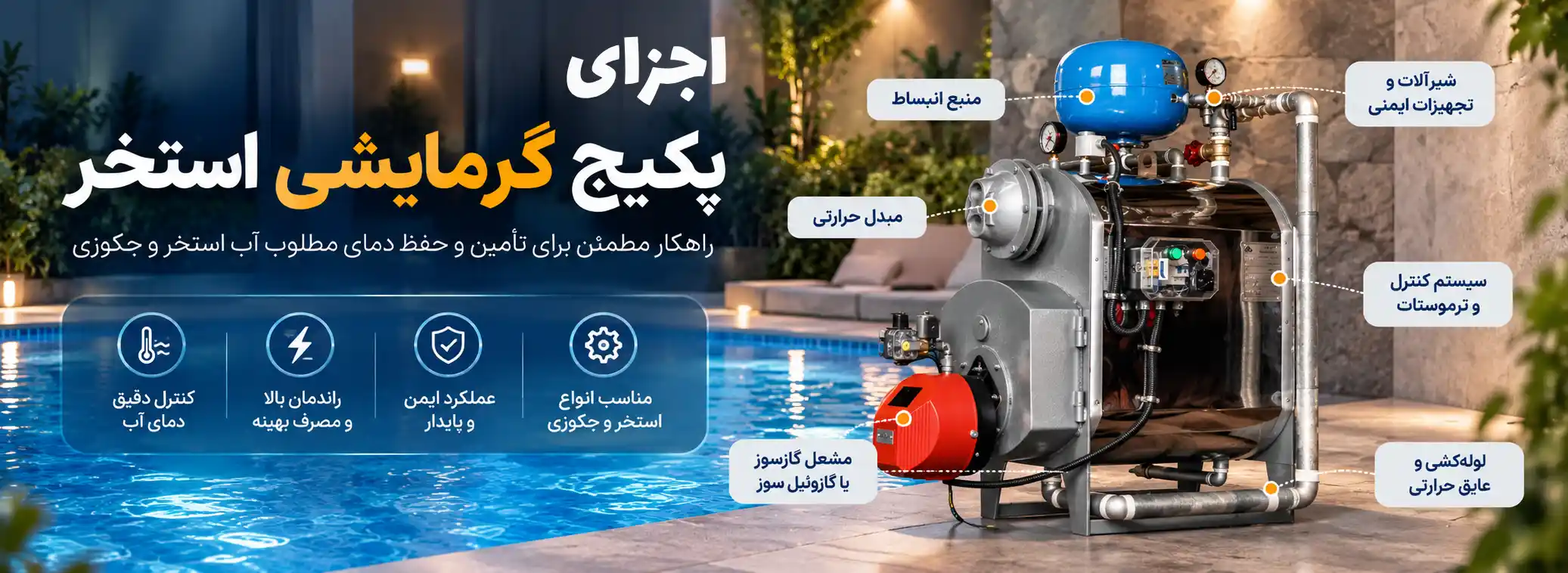
پکیج گرمایشی استخر از مجموعهای از تجهیزات حرارتی، مکانیکی و کنترلی تشکیل میشود که در کنار یکدیگر وظیفه تأمین، انتقال و کنترل حرارت آب استخر را بر عهده دارند. نوع و تعداد این تجهیزات با توجه به ظرفیت استخر، نوع سیستم گرمایش و شرایط پروژه متفاوت است. مهمترین اجزای پکیج گرمایشی استخر عبارتاند از:
۱. منبع تولید حرارت
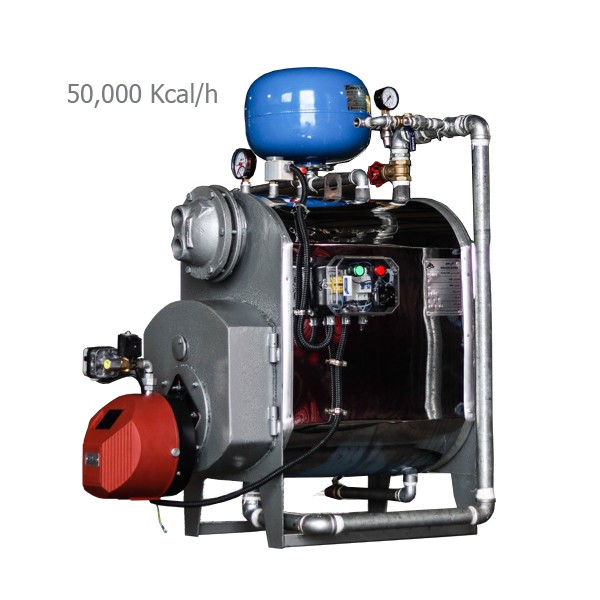
منبع تولید حرارت وظیفه تأمین انرژی مورد نیاز برای گرمکردن آب استخر را بر عهده دارد. بسته به نوع سیستم، این بخش میتواند شامل بویلر، دیگ آب گرم، مشعل یا سایر تجهیزات تولیدکننده حرارت باشد.
۲. مبدل حرارتی
مبدل حرارتی یکی از مهمترین اجزای پکیج گرمایشی استخر است و وظیفه انتقال حرارت از مدار گرمایش به آب استخر را بر عهده دارد. آب گرم مدار اولیه از یک طرف مبدل عبور کرده و آب استخر از طرف دیگر جریان پیدا میکند؛ در نتیجه حرارت بدون تماس مستقیم دو جریان به آب استخر منتقل میشود.
جنس مبدل باید متناسب با شرایط آب استخر انتخاب شود؛ بهخصوص در استخرهای دارای کلر یا آب شور، مقاومت در برابر خوردگی اهمیت زیادی دارد.
۳. پمپ سیرکولاسیون
پمپ سیرکولاسیون وظیفه گردش آب در مدار گرمایش را بر عهده دارد. این پمپ آب استخر را به سمت مبدل حرارتی هدایت کرده و پس از افزایش دما، آب گرمشده را دوباره به استخر بازمیگرداند. انتخاب دبی و هد مناسب پمپ برای عملکرد صحیح سیستم ضروری است.
۴. پمپ مدار گرمایش
در سیستمهایی که دارای مدار اولیه و ثانویه هستند، پمپ مدار گرمایش وظیفه گردش آب گرم بین منبع تولید حرارت و مبدل حرارتی را بر عهده دارد. این پمپ باعث انتقال پیوسته انرژی حرارتی به مبدل میشود.
۵. سیستم کنترل و ترموستات
ترموستات و تجهیزات کنترلی، دمای آب استخر را اندازهگیری و عملکرد سیستم گرمایشی را کنترل میکنند. زمانی که دمای آب به مقدار تنظیمشده برسد، سیستم گرمایش کاهش ظرفیت داده یا متوقف میشود و با کاهش دما، مجدداً وارد مدار میشود.
۶. منبع انبساط
منبع انبساط در مدار گرمایش برای جبران افزایش حجم آب ناشی از بالا رفتن دما استفاده میشود. وجود این تجهیز به کنترل فشار مدار و جلوگیری از افزایش بیش از حد فشار کمک میکند.
۷. شیرآلات و تجهیزات ایمنی
شیرهای قطعووصل، شیر یکطرفه، شیر اطمینان و سایر تجهیزات کنترلی برای مدیریت جریان آب و افزایش ایمنی سیستم استفاده میشوند. این تجهیزات امکان کنترل، سرویس و محافظت از اجزای مختلف پکیج گرمایشی را فراهم میکنند.
۸. سنسورهای دما و فشار
سنسورهای دما و فشار، شرایط کاری سیستم را بهصورت مداوم کنترل میکنند. در صورت افزایش غیرعادی دما یا فشار، سیستم کنترلی میتواند برای جلوگیری از آسیب به تجهیزات، عملکرد بخش گرمایشی را کاهش داده یا متوقف کند.
۹. تابلو برق و سیستم کنترل مرکزی
تابلو برق وظیفه کنترل و هماهنگی تجهیزات الکتریکی سیستم، از جمله پمپها، مشعل و تجهیزات کنترلی را بر عهده دارد. در سیستمهای پیشرفتهتر، کنترل مرکزی امکان مدیریت دقیقتر عملکرد تجهیزات و تنظیم دمای آب را فراهم میکند.
۱۰. لولهکشی و عایق حرارتی
لولهکشی، مسیر گردش آب در مدار گرمایش و انتقال آب گرم به مبدل حرارتی را فراهم میکند. استفاده از عایق حرارتی مناسب برای لولهها نیز باعث کاهش اتلاف حرارت و افزایش راندمان سیستم میشود.
در مجموع، منبع تولید حرارت، مبدل حرارتی، پمپهای سیرکولاسیون، تجهیزات کنترلی و تجهیزات ایمنی مهمترین اجزای پکیج گرمایشی استخر هستند. انتخاب ظرفیت و مشخصات هر یک از این تجهیزات باید متناسب با حجم استخر، بار حرارتی، نوع کاربری و شرایط پروژه انجام شود.
نحوه عملکرد پکیج گرمکن استخر
عملکرد سیستم گرمایش استخر را میتوان در چند مرحله ساده توضیح داد:
- تولید حرارت: منبع حرارتی مانند بویلر، انرژی مورد نیاز سیستم را تولید میکند.
- انتقال حرارت: آب گرم مدار گرمایش وارد مبدل حرارتی شده و انرژی حرارتی خود را به آب استخر منتقل میکند.
- گردش آب استخر: پمپ سیرکولاسیون، آب استخر را از مدار فیلتراسیون به سمت مبدل هدایت میکند.
- گرمشدن آب: آب استخر در مبدل حرارتی بدون تماس مستقیم با آب مدار گرمایش، حرارت دریافت میکند.
- بازگشت آب گرمشده: آب پس از افزایش دما دوباره به کاسه استخر بازمیگردد.
- کنترل دما: ترموستات و سیستم کنترل، دمای آب را بررسی کرده و در صورت رسیدن به دمای تنظیمشده، عملکرد منبع حرارتی را کاهش داده یا متوقف میکنند.
- تکرار چرخه: با کاهش دمای آب، سیستم مجدداً فعال شده و این چرخه تا حفظ دمای مطلوب ادامه پیدا میکند.
در نتیجه، پمپ، مبدل حرارتی، منبع تولید حرارت و سیستم کنترل دما مهمترین بخشهای عملکرد پکیج گرمکن استخر هستند و هماهنگی میان آنها نقش مستقیمی در راندمان و عملکرد پایدار سیستم دارد.
انواع پکیج گرمایش استخر
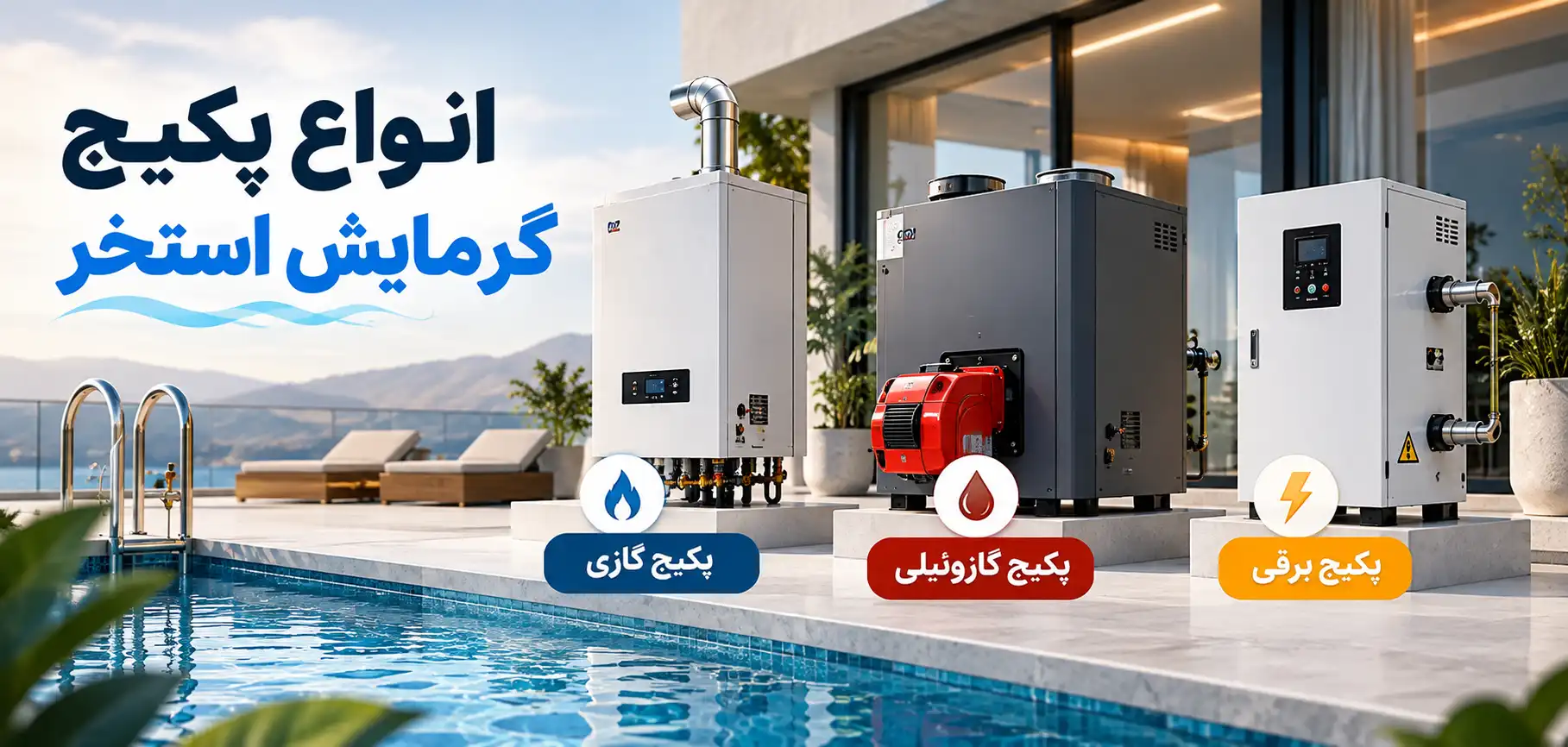
پکیج گرمایش استخر یکی از متداولترین روشها برای تأمین دمای مطلوب آب استخر و جکوزی است. این سیستمها به دلیل راندمان بالا، ابعاد مناسب و امکان تأمین همزمان آب گرم مصرفی ساختمان، جایگزین مناسبی برای دیگهای قدیمی موتورخانه هستند. اما پکیجهای مخصوص استخر انواع مختلفی دارند که انتخاب درست آنها به شرایط پروژه، نوع سوخت در دسترس و حجم استخر بستگی دارد.
1. پکیج گرمایش استخر گازی
پکیج گازی متداولترین نوع پکیج گرمایش استخر است. این مدل از گاز شهری یا گاز مایع (LPG) بهعنوان سوخت استفاده میکند و به دلیل دسترسپذیری و هزینه پایین انرژی در ایران، محبوبیت زیادی دارد. پکیجهای گازی معمولاً در دو نوع دیواری و زمینی عرضه میشوند و برای استخرهای خانگی تا پروژههای بزرگتر قابلیت استفاده دارند.
2. پکیج گرمایش استخر گازوئیلی
در مناطقی که دسترسی به گاز شهری وجود ندارد، پکیج گرمایش استخر گازوئیلی گزینه مناسبی محسوب میشود. این مدل با استفاده از مشعل گازوئیلی کار میکند و توان حرارتی بالایی دارد. البته هزینه سوخت گازوئیل بیشتر است و نگهداری آن نیز به مراقبت بیشتری نیاز دارد.
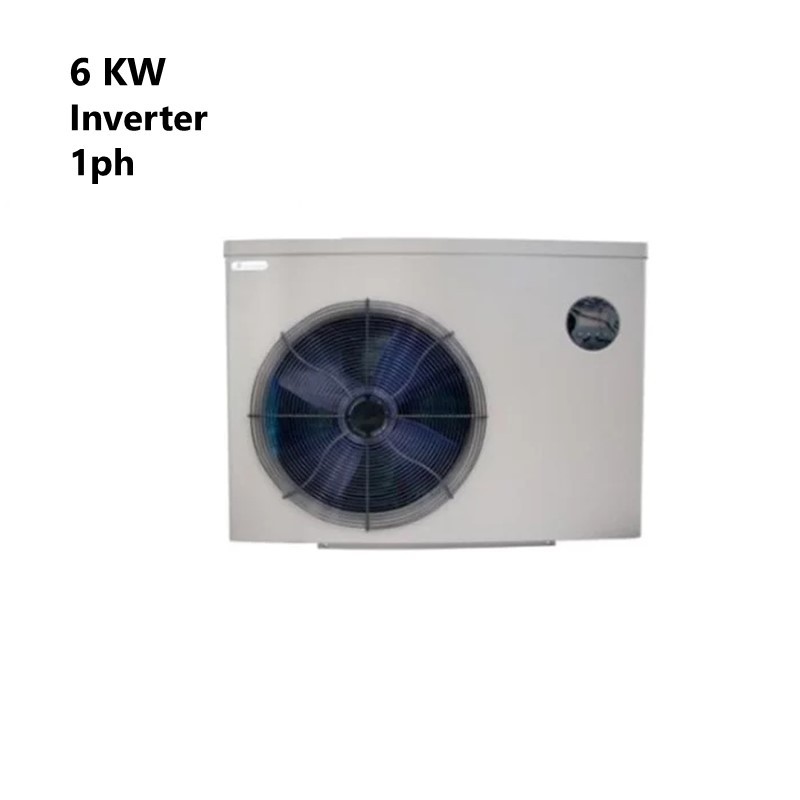
3. پکیج گرمایش استخر برقی
پکیج گرمایش استخر برقی بیشتر برای استخرهای کوچک یا جکوزیهای خانگی کاربرد دارد. این مدل با المنتهای برقی آب را گرم میکند و نصب بسیار سادهای دارد. مزیت اصلی آن نداشتن آلایندگی و نیاز نداشتن به دودکش است، اما به دلیل مصرف بالای برق و هزینه انرژی، معمولاً فقط برای ظرفیتهای پایین توصیه میشود.
نحوه انتخاب و محاسبه ظرفیت گرمکن استخر
البته لازم به ذکر است که معمولاً برای تعیین مقدار انرژی گرمایی مورد نیاز برای گرمایش آب استخر از فرمول و روش کامل محاسبه زیر استفاده نمی شود و بر اساس تجربه، دمای محیط و حجم آب استخر، ظرفیت گرمایش مورد نیاز برآورد می گردد.
QT = Q1+Q2
Q1 = mCp∆t/t
- QT = کل گرمایش مورد نیاز استخر بر حسب btu/hr
- Q1 = مقدار انرژی گرمایشی مورد نیاز جهت گرمایش آب استخربر حسب btu/hr (واحد انگلیسی)
- m = جرم آب موجود در استخر (m = ρv) که مقدار ρ برابر 8.3 lb.gal و مقدار v برابر با حجم آب استخر بر حسب US gal
- Cp = ظرفیت گرمای ویژه آب (در سیستم انگلیسی) برابر با 1btu/lb.°f T
- T∆ = اختلاف دمای اولیه آب و دمای مطلوب بر حسب درجه فارنهایت (مقدارT∆ در استخر سرپوشیده کمتر از مقدار آن در استخرهای روباز در نظر گرفته میشود و مطابق با نظر کارفرما محاسبه می گردد، این مقدار معمولاً در محدوده 40 تا 45 درجه فارنهایت می باشد.)
- t = مدت زمان مورد نظر (بر حسب ساعت (hr)) جهت رسیدن به مقدار دمای دلخواه آب استخر
Q2 = UA∆t
- Q2 = مقدار انرژی گرمایشی تلف شده از جداره های استخر btu/hr
- U = ضریب کلی انتقال حرارت جداره های استخر برابر با 10.5 btu/h
- A = مساحت کاسه استخر ( کف، دیواره ها) بر حسب Ft2
- T∆ = مقدار اختلاف دمای آب استخر و دمای محیط بر حسب درجه فارنهایت
دمـاتجهیـز؛ هـــزاران محصـول برای هـــزاران پــروژه مهندسی و صنعتی (از سال 1383)
عوامل تاثیر گذار در محاسبه ظرفیت گرمایشی مورد نیاز استخرها
هنگام انجام محاسبات و تصمیمگیری در خصوص انتخاب نوع و ظرفیت سیستم گرمایش آب استخر، اعم از پکیج استخری، گرمکن آب استخر و جکوزی، دیگ و مشعل یا مبدل حرارتی، بررسی دقیق عوامل زیر ضروری است.
توجه به این موارد علاوه بر انتخاب صحیح تجهیزات، در برآورد هزینهها و حتی مقایسه قیمت گرمکن برقی استخر با سایر روشهای گرمایشی نقش مهمی دارد.
- حجم کل آب موجود در کاسه استخر که یکی از اصلیترین پارامترها در تعیین ظرفیت گرمایش محسوب میشود.
- مساحت سطح آب استخر (سطحی که با هوای محیط در تماس است) که میزان اتلاف حرارت را مشخص میکند.
- مدت زمان مورد نیاز برای رسیدن آب استخر به دمای مطلوب اولیه که معمولاً ۲۴ ساعت در نظر گرفته میشود.
- دمای نهایی آب استخر بر اساس نوع کاربری (عمومی یا خصوصی) و شرایط بهرهبرداری، که معمولاً بین ۸۰ تا ۸۶ درجه فارنهایت (معادل ۲۷ تا ۳۰ درجه سانتیگراد) است.
- میانگین دمای محیط در سردترین ماه سال که برای محاسبه بار حرارتی استخرهای روباز اهمیت ویژهای دارد.
- میانگین دمای هوای سالن استخر که در محاسبات گرمایشی استخرهای سرپوشیده لحاظ میشود و میتواند بر انتخاب نوع سیستم و حتی قیمت گرمکن برقی استخر تأثیرگذار باشد.
توجه: دمای آب سرد ورودی به استخر پیش از گرم شدن معمولاً در محدوده ۴۱ تا ۴۶ درجه فارنهایت (معادل ۵ تا ۸ درجه سانتیگراد) در نظر گرفته میشود که این موضوع در تعیین ظرفیت نهایی سیستم گرمایشی بسیار مؤثر است.
قیمت سیستم گرمایش استخر خانگی
این لیست قیمت گرمکن استخر براساس ظرفیت حرارتی، جنس، راندمان انرژی، حجم استخر تحت پوشش، وزن و ابعاد و... متفاوت است که شما عزیزان می توانید با توجه به نیاز استخر خود بهترین مدل را از میان ده ها مدل بهترین قیمت سیستم گرمایش استخر خانگی در دماتجهیز، انتخاب نمایید.
| برند گرمکن استخر | قیمت حدودی ( تومان) |
| گرمکن استخر اکواژن | استعلامی |
| گرمکن استخر هایپرپول | 16/905/000 تا 30/225/000 |
| گرمکن استخر آراز صنعت | استعلامی |
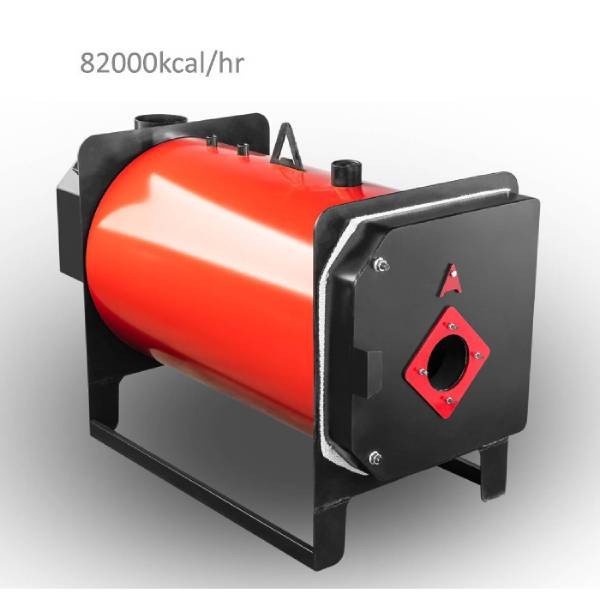
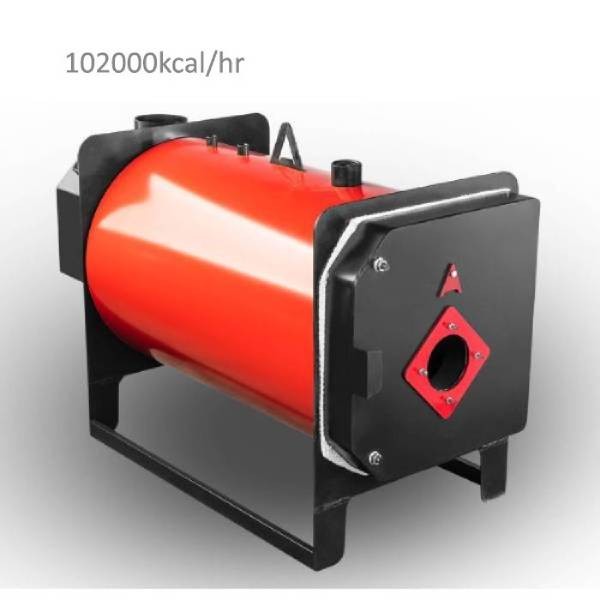
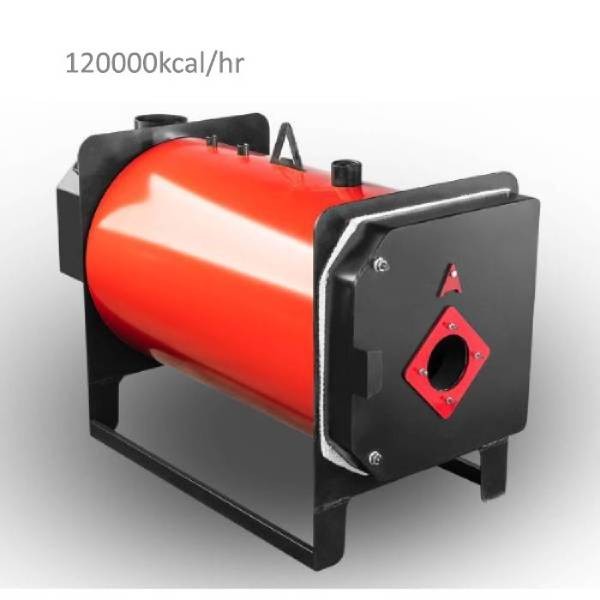
| گرمکن استخر خزر منبع | 145/000/000 تا 361/000/000 |
لازم به ذکر است قیمت گرمکن برقی استخر ارائه شده در مجموعه تخصصی دماتجهیز به روز بوده و تخفیفهای مورد نظر مصرف کنندگان در این قیمتها لحاظ گردیده است؛ به طوری که این قیمتها نیز شامل بخش تضمین بهترین قیمت دماتجهیز میباشد.قیم ت گرمکن آب استخ
دمـاتجهیـز؛ راهنمای تخصصی و مهندسی تامین تجهیزات تهویه و تاسیسات (از سال ۱۳۸۳)
عوامل مؤثر بر قیمت گرمکن استخر
اگر قصد دارید سیستم گرمایشی مناسبی برای استخر خود انتخاب کنید، بدون شک یکی از اولین مواردی که به آن توجه میکنید قیمت گرمکن استخر است. گرمکنهای استخر انواع مختلفی دارند و هرکدام با توجه به تکنولوژی، ظرفیت و برند، قیمت متفاوتی ارائه میدهند. شناخت عوامل اصلی مؤثر بر هزینه این تجهیزات به شما کمک میکند انتخابی آگاهانهتر و اقتصادیتر داشته باشید.
1. نوع گرمکن استخر
مهمترین عامل تعیینکننده، نوع سیستم گرمایش است. گرمکنهای استخر معمولاً در سه گروه اصلی قرار میگیرند:
- گرمکن برقی
- گرمکن گازی
- دیگ بخار
در میان آنها، قیمت گرمکن برقی استخر معمولاً نسبت به سیستمهای گازی کمتر است، اما هزینه مصرف انرژی آنها میتواند در بلندمدت بیشتر باشد.
2. ظرفیت و توان گرمکن
ظرفیت گرمکن بر اساس حجم کل استخر تعیین میشود. هرچه حجم آب بیشتر باشد، گرمکن قویتری نیاز است و همین موضوع مستقیماً روی قیمت گرمکن استخر اثر میگذارد. توان بالاتر به معنی مصرف انرژی بیشتر و قیمت اولیه بالاتر است.
3. جنس بدنه و کیفیت ساخت
گرمکنهای باکیفیت معمولاً از موادی مقاوم در برابر خوردگی و رطوبت ساخته میشوند. این موضوع علاوه بر افزایش طول عمر دستگاه، روی قیمت نیز تأثیر میگذارد. مدلهای حرفهای و ضدزنگ معمولاً قیمت بالاتری دارند، اما هزینه نگهداری آنها کمتر است.
4. برند و کشور سازنده
یکی دیگر از عوامل مهم، برند گرمکن است. محصولات برندهای معتبر جهانی معمولاً کیفیت و خدمات پس از فروش بهتری دارند، اما طبیعتاً قیمت گرمکن برقی استخر از این برندها بالاتر است. برندهای داخلی نیز گزینههای اقتصادیتری ارائه میدهند.
5. امکانات و تکنولوژیهای اضافی
سیستمهایی که دارای ترموستات هوشمند، کنترل از راه دور، نمایشگر دیجیتال یا مصرف انرژی بهینه هستند، قیمت بیشتری دارند. اضافه شدن هر ویژگی هوشمند، قیمت نهایی گرمکن را بالاتر میبرد. در نهایت، برای انتخاب بهترین گزینه باید حجم استخر، نوع انرژی مصرفی، بودجه و میزان استفاده خود را در نظر بگیرید. بررسی دقیق عوامل بالا به شما کمک میکند مناسبترین محصول را انتخاب کنید و بدانید چرا قیمت گرمکن استخر در بازار متغیر است.همچنین اگر بهدنبال یک گزینه مقرونبهصرفه هستید، بررسی مدلهای مختلف و مقایسه قیمت گرمکن برقی استخر میتواند بهترین نقطه شروع باشد.
نکات مهم در خرید پکیج گرمکن آب استخر
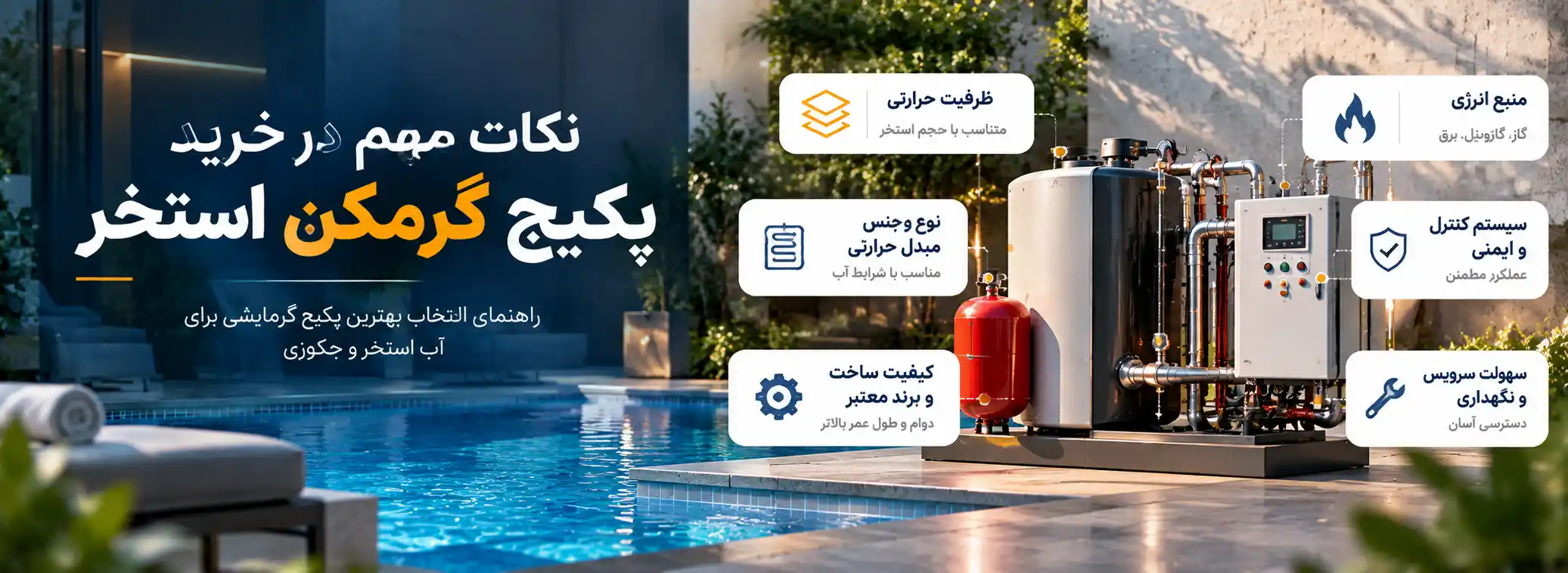
انتخاب و خرید گرمکن استخر ، یکی از مهمترین تصمیمات در طراحی و اجرای سیستم گرمایش استخر است. انتخاب صحیح این تجهیز، تأثیر مستقیمی بر کارایی گرمایی، مصرف انرژی، طول عمر تجهیزات و هزینههای بهرهبرداری خواهد داشت. هنگام خرید پکیج گرمایشی استخر باید به ظرفیت حرارتی، نوع مبدل، منبع انرژی و کیفیت ساخت دستگاه توجه ویژهای شود تا سیستم با حداکثر بازدهی و کمترین هزینه کار کند.
1.ظرفیت حرارتی و توان خروجی
ظرفیت گرمکن استخر باید با توجه به حجم استخر، دمای اولیه آب، دمای مطلوب (معمولاً بین ۲۸ تا ۳۰ درجه سانتیگراد) و شرایط اقلیمی محل نصب انتخاب شود. در صورت انتخاب ظرفیت کمتر از نیاز، آب استخر بهصورت کامل گرم نخواهد شد و سیستم همواره در فشار کاری بالا فعالیت میکند. در مقابل، انتخاب ظرفیت بیش از حد نیز باعث مصرف بیهوده انرژی و افزایش هزینههای سوخت میشود.
2. نوع مبدل حرارتی جنس مبدل حرارتی
از مهمترین عوامل در دوام و عملکرد گرمکن استخر است. برای استخرهای دارای آب کلردار یا شور، استفاده از مبدل تیتانیومی توصیه میشود، زیرا در برابر خوردگی و کلریناسیون مقاومت بسیار بالایی دارد. در استخرهای معمولی و آب شیرین، استفاده از مبدلهای استیل ضدزنگ یا مس-نیکل میتواند گزینهای اقتصادیتر و درعینحال کارآمد باشد.
3. منبع انرژی و راندمان دستگاه
پکیجهای گرمکن استخر معمولاً با سوختهای مختلفی مانند گاز شهری، گازوئیل، برق یا حتی انرژی خورشیدی کار میکنند. راندمان حرارتی دستگاه، چه در احتراق (در مدلهای گازی و گازوئیلی) و چه در تبادل حرارت (در مدلهای برقی)، نقش تعیینکنندهای در مصرف انرژی و هزینههای ماهانه دارد. انتخاب دستگاهی با راندمان بالا، در طول زمان صرفهجویی قابلتوجهی در هزینههای بهرهبرداری ایجاد خواهد کرد.
4. سیستم کنترل و ایمنی
در هنگام خرید گرمکن استخر، وجود تجهیزات ایمنی و کنترلی پیشرفته بسیار حائز اهمیت است. تجهیزاتی مانند ترموستات دقیق، سنسور فشار، شیر اطمینان و تابلو برق ایمن، باعث جلوگیری از افزایش دمای ناگهانی یا فشار بیش از حد در مدار میشوند. همچنین، سیستم باید قابلیت خاموشی خودکار در شرایط اضطراری را داشته باشد تا ایمنی تجهیزات و کاربران تضمین گردد.
5. کیفیت ساخت و برند تولیدکننده
انتخاب برند معتبر با سابقهی قابل اعتماد در تولید تجهیزات استخری، نقش مهمی در کاهش خرابیها و هزینههای نگهداری دارد. استفاده از متریال مقاوم در بدنه، پمپها و مبدل حرارتی، باعث افزایش طول عمر دستگاه در محیطهای مرطوب و خورنده استخر میشود. خرید گرمکن استخر از برندهای معتبر، علاوه بر اطمینان از اصالت کالا، دسترسی آسان به خدمات پس از فروش و قطعات یدکی را نیز فراهم میکند.
6. سهولت سرویس و نگهداری
یکی از نکات کلیدی در انتخاب گرمکن استخر، سهولت در سرویس و نگهداری آن است. طراحی دستگاه باید بهگونهای باشد که دسترسی به بخشهای اصلی مانند مبدل حرارتی، پمپ سیرکولاسیون و مشعل آسان باشد. همچنین، تامین قطعات یدکی و امکان ارائه خدمات دورهای توسط نمایندگیهای رسمی از اهمیت بالایی برخوردار است.
هزینههای اولیه و بهرهبرداری در هنگام خرید گرمکن استخر، تنها قیمت اولیه نباید ملاک تصمیمگیری باشد. باید هزینه نصب، مصرف انرژی و نگهداری در بلندمدت نیز محاسبه شود. گاهی انتخاب دستگاهی ارزان اما با راندمان پایین، در طول زمان هزینههای بیشتری را تحمیل میکند. بنابراین، بهتر است همواره بین قیمت خرید، کیفیت و راندمان دستگاه تعادل برقرار شود.
در خرید گرمکن استخر، فاکتورهایی مانند ظرفیت حرارتی مناسب، جنس مبدل حرارتی، منبع انرژی، سیستم ایمنی و برند معتبر، همگی در عملکرد نهایی سیستم تأثیرگذار هستند. انتخاب هوشمندانه این تجهیزات علاوه بر صرفهجویی در مصرف انرژی، باعث افزایش عمر سیستم گرمایش استخر و کاهش هزینههای نگهداری در سالهای آینده خواهد شد.
خرید اقساطی سیستم گرمایشی استخر
خرید اقساطی گرمکن آب استخر و جکوزی مجموعه دماتجهیز جهت سهولت خرید شما مشتریان عزیز، امکان فروش اقساطی را فراهم نموده است. جهت خرید اقساطی گرمکن آب استخر و جکوزی به صفحه خرید اقساطی این شرکت مراجعه نمایید. خری
نحوه نصب پکیج گرمکن استخر
نصب پکیج گرمکن باید مطابق نقشه اجرایی و توسط متخصص تأسیسات انجام شود. مهمترین مراحل نصب عبارتاند از:
- آمادهسازی محل: انتخاب فضای خشک و دارای تهویه مناسب، با کف تراز و مقاوم و دسترسی کافی برای سرویس تجهیزات.
- جانمایی تجهیزات: نصب بویلر، مبدل حرارتی و پمپها روی پایه مناسب و در محل قابل دسترس.
- اجرای لولهکشی: اتصال صحیح مدار گرمایش و مدار آب استخر و رعایت جهت جریان در مسیرها.
- نصب تجهیزات کنترلی و ایمنی: اتصال منبع انبساط، تابلو برق، سنسورهای دما و فشار، شیرهای قطعووصل، یکطرفه و اطمینان.
- راهاندازی سیستم: هواگیری مدارها، تنظیم فشار و دمای کاری و بررسی عملکرد پمپ، مشعل، مبدل و تجهیزات ایمنی.
تنظیم دمای آب: در نهایت، دمای سیستم متناسب با دمای موردنظر استخر تنظیم میشود.
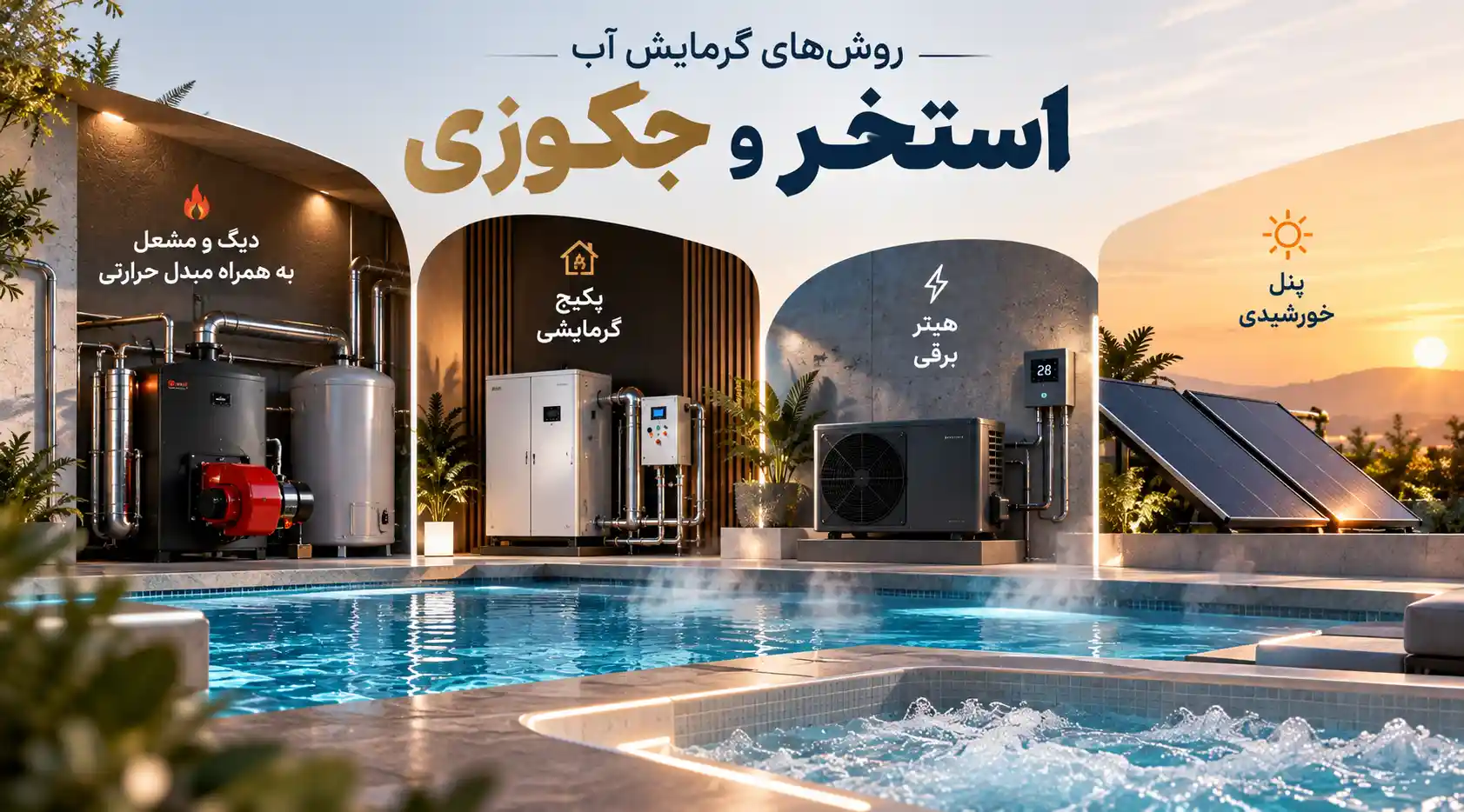
روش های تامین گرمایش استخر و جکوزی
تأمین گرمای مورد نیاز استخر و جکوزی با توجه به شرایط پروژه میتواند به روشهای مختلفی انجام شود. حجم آب، میزان استفاده، دمای مورد انتظار، روباز یا سرپوشیده بودن استخر و نوع انرژی در دسترس، از مهمترین عواملی هستند که در انتخاب سیستم گرمایشی تأثیر دارند. به همین دلیل، انتخاب گرمکن مناسب باید متناسب با مشخصات واقعی پروژه انجام شود.
- گرمایش با دیگ و مبدل حرارتی : یکی از راهکارهای رایج، تولید آب گرم در مدار گرمایش و انتقال این حرارت به آب استخر از طریق مبدل حرارتی است. در این سیستم، آب استخر مستقیماً وارد مدار دیگ نمیشود و انتقال حرارت در مبدل انجام میگیرد. ظرفیت تجهیزات نیز باید بر اساس حجم آب و میزان گرمای مورد نیاز پروژه تعیین شود.
- پکیج گرمایشی استخر : پکیج گرمایشی، مجموعهای از تجهیزات مورد نیاز برای تأمین گرمای استخر و جکوزی را در قالب یک سیستم یکپارچه در اختیار قرار میدهد. این تجهیزات میتوانند در مدلها و ظرفیتهای مختلف تولید شوند و بسته به طراحی سیستم، با منابع انرژی متفاوتی کار کنند. استفاده از پکیج میتواند برای پروژههایی که به یک راهکار جمعوجور و یکپارچه نیاز دارند، گزینه مناسبی باشد.
- هیتر برقی : هیتر برقی انرژی الکتریکی را به گرما تبدیل کرده و برای افزایش دمای آب مورد استفاده قرار میگیرد. این روش بیشتر زمانی مورد توجه قرار میگیرد که استفاده از برق برای پروژه امکانپذیر باشد یا حجم آب و نیاز گرمایشی، استفاده از هیتر برقی را توجیه کند. انتخاب توان دستگاه باید متناسب با حجم آب و شرایط بهرهبرداری انجام شود.
- گرمایش خورشیدی : در این روش، انرژی خورشید بهعنوان منبع تأمین گرما مورد استفاده قرار میگیرد. میزان تابش، شرایط آبوهوایی و محل نصب تجهیزات روی عملکرد سیستم اثر مستقیم دارند. به همین دلیل، سیستم خورشیدی میتواند بسته به شرایط پروژه بهعنوان روش اصلی یا مکمل گرمایش مورد بررسی قرار گیرد.
در نهایت هیچ سیستم گرمایشی را نمیتوان برای تمام استخرها بهترین گزینه دانست. انتخاب نهایی باید بر اساس حجم استخر و جکوزی، شرایط محیطی، دمای مورد نیاز، سرعت گرم شدن آب و منبع انرژی قابل دسترس انجام شود.
✅ با تشکـر از توجه و زمان ارزشمندی که شما همراه گرامـی برای مطالعه مطالب فوق صرف کرده اید، لطفا در صورت نیاز به دریافت اطلاعات بیشتـر و پاسخ فوری به سوالات مربوطه، قبل از انتخـاب انواع گرمکن آب استخر موردنیاز، با کارشناسـان بخش فروش مجموعـه تخصصی دماتجهیـز، در ساعات اداری تماس بگیریـد. 88822550-021
دمـاتجهیـز؛ بهترین قیمت ها و برندهای معتبر تجهیزات تهویه و تاسیسات (از سال ۱۳۸۳)
- کاربر گرامی :
- ضمن تشکر از جنابعالی جهت اطمینانی که به نظرات فنی کارشناسان فروش دماتجهیز دارید، لازم به ذکر است انتخاب برند محصول موردنظر براساس سابقه ، قدرت برند ، خدمات و قیمت محصول نهایتا توسط خریدار تعیین میگردد. اما در زمینه گرمکن آب استخر و جکوزی، اغلب کاربران و خریداران برندهای پرفروشی مانند امرالد، آی ام ال (IML) هایوارد (Hayward)، هایپرپول (Hyperpool)، آکوامارین (aquamarine) و... را با توجه به کیفیت، قیمت و خدمات بعد از فروش آنها انتخاب و خرید مینمایند.
- چنانچه پس از مطالعه مطالب ارائه شده فوق، سوالات بیشتری جهت تصمیمگیری برای خرید انواع گرمکن آب استخر و جکوزی دارید، میتوانید پس از تماس با مجموعه دماتجهیز و شمارههای داخلی 103 – 105- 106، از کارشناسان فروش بخش تجهیزات استخر، سونا و جکوزی مشاوره بگیرید و سوالات خود را مطرح نمایید.
- با توجه به اینکه مجموعه تخصصی دماتجهیز ارائه دهنده انواع گرمکن آب استخر و جکوزی در منطقه خاورمیانه است، چنانچه برای هریک از کشورهای منطقه نیاز به POOL & SPA HEATERS دارید، می توانید سفارش خرید خود را با اطمینان خاطر، گارانتی محصول و قیمت مناسب به کارشناسان فروش ما بسپارید.
"از دماتجهیز با اطمینان و خیال آسوده خرید کنید"

گواهینامـه ثبت علامت تجـاری + گواهینامـههای پروانـه کسـب از اتحادیـههای اصنـاف لوازم شوفاژ و تهویـه مطبـوع + اتحادیـه تخصصـی تولیـدکنندگان تجهیـزات تهویـه مطبـوع و شوفـاژ + اتحادیـه کسبوکارهای مجـازی

حضور دماتجهیز در نمایشگاه های بین المللی تاسیسات ساختمانی و سیستمهای سرمایشی و گرمایشی
بیشتر ببینید ، بهتر کاربر گرامی: در صورت انجام خرید اینترنتی محصولات گروه گرمکن آب استخر و جکوزی از سایت مرجع دماتجهیز، از امکان تحویل در مدت 4 تا 6 ساعت کاری در تهران (و 2 روز کاری برای شهرستانها) برخوردار خواهید شد.
مجموعه تخصصی دماتجهیز علاوه بر جواز کسب معتبر از اتحادیه صنف شوفاژ و تهویه مطبوع، دارای نماد اعتماد الکترونیکی بوده و فعالیت سایت فروشگاهی خود را از سال 1383 در دفتر مرکزی تهران آغاز نموده است.






سوالات متداول


دفتر مرکزی: تهران - خیابان طالقانی - بین مفتح و بهار - نبش طالبیان - ساختمان ۴۶۳
کارخانه: جاده قدیم ساوه - بعد از سه راهی آدران - شهرک صنعتی قلعه میر - خیابان رینگ کار
دماتجهیز: مرکز تخصصی و مهندسی تامین تجهیزات تهویه و تاسیسات (از سال 1383)
مجموعه دمـاتجهیـز از سال ۱۳۸۳ بهعنوان اولین و تخصصی ترین عرضه کننده تجهیزات تهویه مطبوع، تجهیزات گرمایش و موتورخانه، تاسیسات استخر، سونا، جکوزی و تجهیزات کنترل فعالیت خود را آغاز نمود. این مجموعه کامل و تخصصی با ارائه محصولات معتبر و با کیفیت بالا در 80 کتگوری و دسته بندی مرتبط، بهعنوان مرجعی قابل اعتماد برای تامین نیازهای انواع سیستمهای تهویه مطبوع و تاسیسات ساختمان در سراسر کشور ایران و حتی کشورهای خاورمیانه، عراق، ارمنستان، ازبکستان، افغانستان، آذربایجان، ترکمنستان و غرب آسیا شناخته میشود.


دیگ استخری گالوانیزه آراز رو آیا کسی استفاده کرده ؟