
رادیاتور فولادی، پنلی، برقی
رادیاتورهای شوفاژ دارای انواع فولادی، پنلی و برقی هستند که هر یک براساس ویژگی آنها، در شرایط مربوطه استفاده می شوند. در ادامه برآورد ظرفیت، 10 نکته مهم در انتخاب و قیمت خرید رادیاتور فولادی، پنلی و برقی در مجموعه دماتجهیز ارائه می گردد.
راهنمای تخصصی انتخـاب و قیمت رادیاتور فولادی، پنلی و برقی
بطور کلی یکی از قدیمی ترین روش های گرمایش در آپارتمان ها و فضای مسکونی و اداری، استفاده از انواع رادیاتورهای شوفاژ است. گرمای رادیاتورها از طریق انتقال حرارت و جابهجایی در هوای محل قرارگیری آنها توزیع می شود.
پس از گرم شدن هوا در مجاورت پره های رادیاتورهای شوفاژ، هوای گرم به طرف بالا حرکت می کند و هوای سرد جایگزین آن می شود و این جابجایی پیوسته هوا باعث گرم شدن تدریجی دمای هوای اتاق می گردد. البته بخشی از گرمایش رادیاتورها نیز توسط روش تابشی انجام می پذیرد.
آب موجود در شوفاژ (رادیاتور) در پکیج گرمایشی یا سیستم حرارت مرکزی ساختمان (موتورخانه) توسط تجهیزاتی مثل مشعل و دیگ گرم میشود و آب گرمشده در موتورخانه توسط پمپ به قسمتهای مختلف ساختمان هدایت میشود. این آب گرم وارد رادیاتورهای شوفاژ شده و گرمای خود را از طریق جابه جایی و تابشی به محیط منتقل می نماید.
مناسب ترین فضاها برای نصب و بهره برداری از رادیاتورهای شوفاژ مکانهایی است که نیاز به کنترل دقیق دما و رطوبت ندارند، چرا که رادیاتورهای شوفاژ معمولا قابلیت تنظیم درجه حرارت و رطوبت محیط را نداشته و میزان رطوبت نسبی اتاق را نیز تا حدودی کاهش میدهند. (البته امروزه در صورت نصب و استفاده از شیر ترموستاتیک رادیاتور علاوه بر اینکه می توانید دمای محیط خود را بصورت مطلوبی تنظیم نمایید، در مصرف انرژی و هزینه های مربوطه نیز صرفه جویی قابل ملاحضه و موثری خواهید کرد.)
دمـاتجهیـز؛ راهنمای انتخاب،قیمت و تامین تجهیزات تهویه و تاسیسات (از سال ۱۳۸۳)
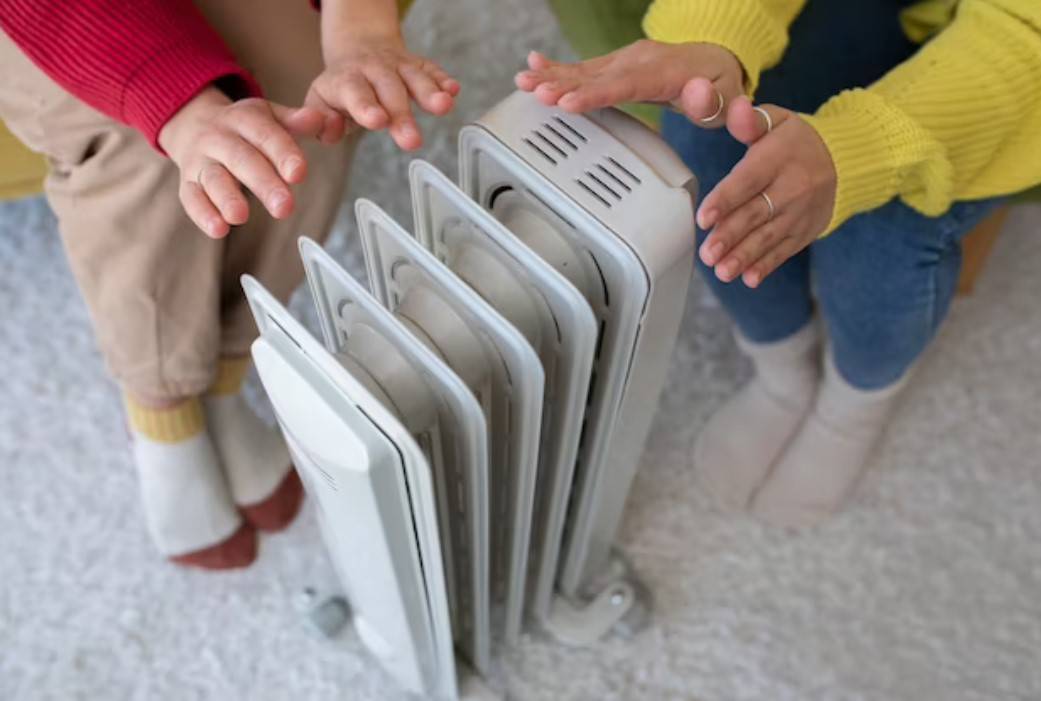
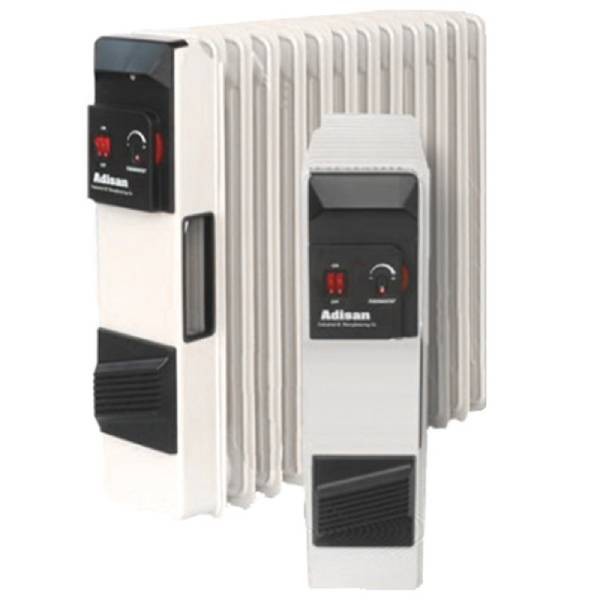
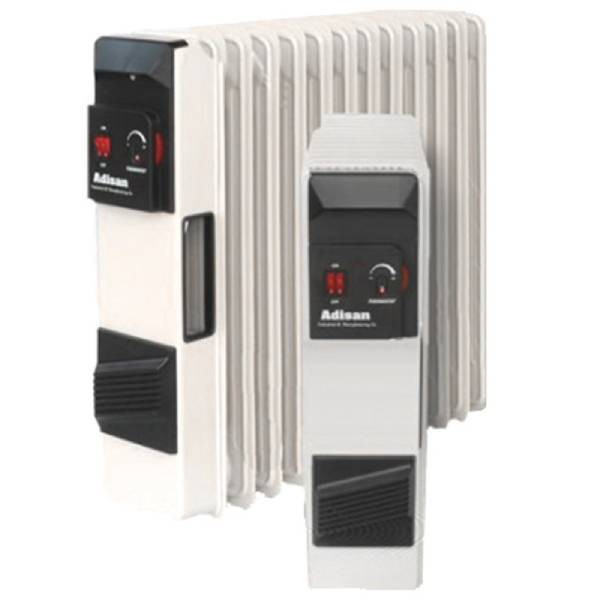
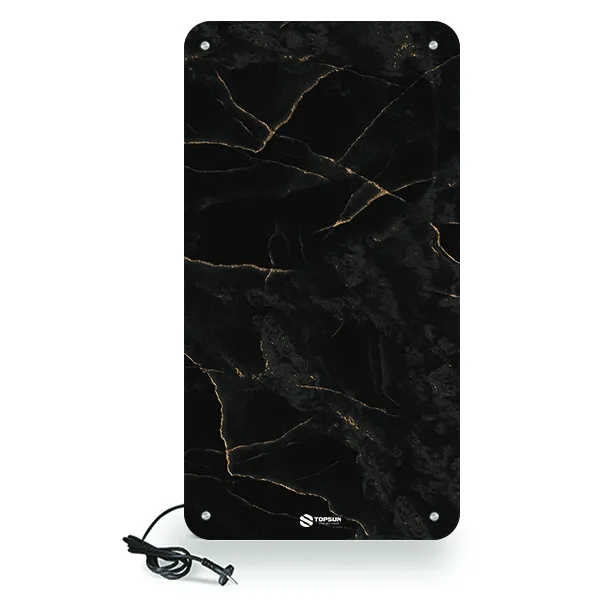
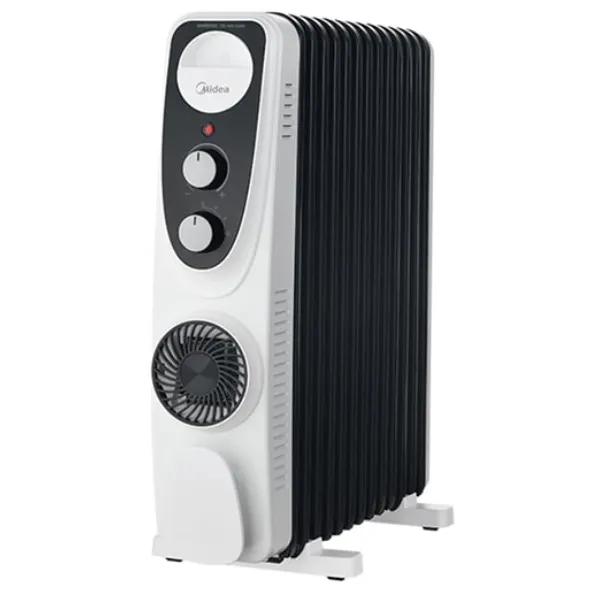
راهنمای خرید رادیاتور برقی یا شوفاژ برقی
خرید رادیاتور برقی یا شوفاژ برقی نیازمند توجه به چند نکته اساسی است تا محصولی متناسب با نیاز خود انتخاب کنید. در ادامه، برخی از موارد مهم برای خرید رادیاتور برقی را بررسی میکنیم.
1. تعیین توان گرمایشی (قدرت دستگاه)
توان گرمایشی رادیاتور برقی به وات (W) اندازهگیری میشود. توان دستگاه باید متناسب با متراژ و حجم فضایی که قصد گرم کردن آن را دارید، باشد.
معمولاً برای شرایط آب و هوایی مانند تهران و در طبقات وسط ساختمان به ازای هر متر مربع، حدود 100 وات توان گرمایشی نیاز است. برای مثال، برای یک اتاق 15 متری، رادیاتوری با توان حدود 1500 وات مناسب است.
ولی از آنجا که معمولاً از رادیاتورهای برقی به عنوان سیستم گرمایش کمکی یا موقت در فضا های خارج از شهر و بخصوص در ویلا ها استفاده می گردد، بهتر است به موضوع سردی هوای خارج از شهر و نیز باز بودن فضاهای اطراف ویلاها که خود منجر به سرمای بیشتری در داخل ویلا و اتاق ها می گردد توجه و دقت داشته باشید.
2. تعداد پرههای رادیاتور برقی شوفاژ مورد نیاز
تعداد پرههای رادیاتور یکی از مهمترین عوامل در تولید و توزیع یکنواخت گرما است. هرچه تعداد پرهها بیشتر باشد، سطح تماس با هوا بیشتر و در نتیجه گرمای بیشتری تولید میشود. تعداد پرههای رادیاتور برقی شوفاژ معمولاً از 5 تا 15 یا بیشتر متغیر است. تعداد پره بیشتر برای اتاقهای بزرگ و تعداد پره کمتر برای فضاهای کوچک مناسب است.
3. قابلیت تنظیم دما (ترموستات) در رادیاتور برقی شوفاژ
ترموستات قابل تنظیم دما، کمک میکند تا دمای محیط بهطور دقیق تنظیم شود و در یک محدوده دلخواه نگه داشته شود. این ویژگی باعث میشود که مصرف انرژی بهینه شود و از گرمای بیش از حد جلوگیری شود.
4. مصرف انرژی و بهرهوری در رادیاتور برقی شوفاژ
مدلهایی که دارای برچسب انرژی با رتبههای A و بالاتر هستند، مصرف برق کمتری دارند و از این رو هزینههای شما را کاهش میدهند. برخی از مدلها دارای قابلیت "اکو مود" (Eco Mode) هستند که بهطور خودکار مصرف انرژی را کاهش میدهد.
5. سیستمهای ایمنی در رادیاتور برقی شوفاژ
• محافظت در برابر داغ شدن بیش از حد: این سیستم باعث خاموش شدن خودکار رادیاتور برقی شوفاژ در صورت افزایش بیش از حد دما میشود.
• خاموشی خودکار در صورت واژگونی: اگر رادیاتور برقی شوفاژ به هر دلیلی واژگون شود، این سیستم از بروز خطر آتشسوزی جلوگیری میکند.
• محافظت در برابر نوسانات برق: رادیاتورهای برقی شوفاژی که دارای این ویژگی هستند در صورت بروز نوسانات برق بهصورت خودکار خاموش میشوند.
دمـاتجهیـز؛ هـــزاران محصـول برای هـــزاران پــروژه مهندسی و صنعتی (از سال ۱۳۸۳)
6. وزن و قابلیت جابجایی رادیاتور برقی شوفاژ
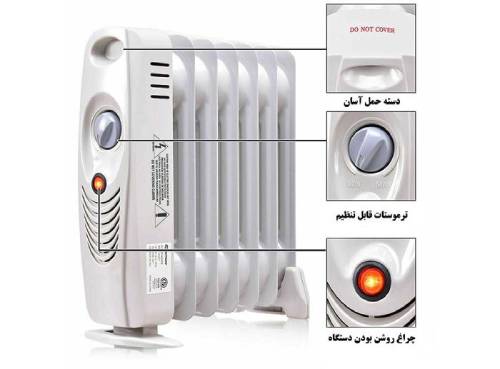
اگر رادیاتور برقی شوفاژ را در مکانهای مختلف خانه یا محل کار استفاده میکنید، بهتر است دستگاهی انتخاب کنید که وزن سبکی داشته باشد یا دارای چرخهای متحرک باشد. برخی مدلها دارای دسته حمل نیز هستند که جابجایی را آسانتر میکند.
7. سطح صدا در رادیاتورهای برقی
اگر قصد دارید رادیاتور را در مکانهایی مثل اتاق خواب یا اتاق کار استفاده کنید، انتخاب رادیاتور برقی شوفاژ برای اتاقهای خواب انتخاب مناسبی است. برخی مدلها دارای کاملا عملکردی بیصدا یا با صدای بسیار کم فن دهنده هستند که در شب یا محیطهای آرام مزاحمتی ایجاد نمیکنند.
8. قابلیت تنظیم تایمر در رادیاتورهای برقی شوفاژ
تایمر قابل تنظیم به شما این امکان را میدهد که مدت زمان عملکرد رادیاتور برقی شوفاژ را تعیین کنید. برای مثال، میتوانید دستگاه را طوری تنظیم کنید که شبها قبل از خواب روشن و صبحها خاموش شود.
9. اندازه و طراحی ظاهری در رادیاتور برقی شوفاژ
• اندازه و ابعاد دستگاه باید با فضای موجود همخوانی داشته باشد. اگر قرار است دستگاه در یک محیط کوچک استفاده شود، رادیاتور با ابعاد کوچکتر مناسب خواهد بود.
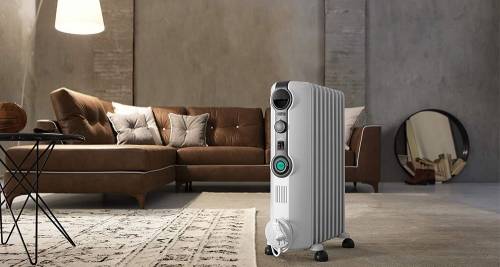
• طراحی ظاهری نیز اهمیت دارد، بهویژه اگر رادیاتور در اتاقهای اصلی مثل پذیرایی استفاده میشود. برخی مدلها با طراحی زیبا و مینیمالیستی ساخته میشوند که با دکوراسیون داخلی هماهنگی بهتری دارند.
10 .گارانتی و برند معتبر رادیاتورها
انتخاب و خرید از برندهای معتبر که دارای گارانتی معتبر هستند، یکی از مهمترین نکات است. برندهای شناختهشده معمولاً کیفیت و عملکرد بهتری دارند و در صورت بروز مشکل، خدمات پس از فروش بهتری نیز ارائه میدهند.
روش انتخاب شوفاژ یا رادیاتور برقی
- شوفاژ یا رادیاتور برقی 5 تا 7 پره در شرایط آب و هوایی معتدل، برای اتاق 6 تا 8 متر مربع با ارتفاع سقف حدود 2.8 متر مناسب است.
- شوفاژ برقی 7 تا 9 پره برای اتاق 8 تا 10 متر مربع با ارتفاع سقف حدود 2.8 متر در شرایط آب و هوایی معتدل، مناسب است.
- رادیاتور برقی 9 تا 11 پره برای اتاق 10 تا 12 متر مربع با ارتفاع سقف حدود 2.8 متر در شرایط آب و هوای نه چندان سرد مناسب است.
- شوفاژ یا رادیاتور برقی 11 تا 13 پره در شرایط اقلیمی که دارای زمستان های بسیار سرد نباشند، برای اتاق 12 تا 15 مترمربع با ارتفاع سقف حدود 2.8 متر مناسب است.
دمـاتجهیـز؛ راهنمای تخصصی و مهندسی تامین تجهیزات تهویه و تاسیسات (از سال ۱۳۸۳)
فرمول محاسبه ظرفیت گرمایشی رادیاتور پنلی
QT=[(U1*A1+...+U1*An)∗ΔT+(V*0.0749*0.24* ΔT)]*4
در اینجا:
- QT بار گرمایشی هر واحد بر حسب کیلوکالری بر ساعت
- U1 تا Un ضریب انتقال حرارت هر یک از سطوح بین داخل و خارج ساختمان بر حسب Btu in / (h ft2 oF) که باید بر اساس جنس هر یک از جدارهها، با استفاده از جداول مرجع مهندسی تعیین گردد.
- A1 تا An مساحت هر یک از سطوح پیرامونی واحد مربوطه است که گرما را به خارج ساختمان منتقل میکند. این مساحت (بر حسب فوت مربع) دیوارها، پنجرهها، درها و سقف در نظر گرفته میشود.
- ΔT اختلاف دمای داخل و خارج هر واحد در شرایط معمولی است که بر حسب oF است.
- V مقدار کل هوای نفوذی از درزهای در یا پنجره (CFH) بر حسب ft3/hr
- ضریب ثابت 0.0749 : چگالی هوا در شرایط متعارفی در سیستم آحاد انگلیسی
- ضریب ثابت 0.24 ظرفیت گرمایی ویژه هوای محیط در شرایط متعارفی در واحد انگلیسی
در فرمول فوق با محاسبه مقادیر تمامی پارامترها، میتوانید به نتایج دقیقی برای تعیین مقدار رادیاتور پنلی در هر یک از اتاقها دست یابید. توجه داشته باشید که مقادیر دقیق U و مساحت A برای هر یک از سطوح پیرامونی باید بر اساس جزئیات خاص در هر ساختمان و جداول مهندسی ضریب انتقال حرارت در نظر گرفته شوند.
رادیاتور فولادی و فرآیند تولید آن
فرآیند تولید رادیاتور فولادی نیاز به دانش فنی پیچیده ای نداشته و مراحل تولید آن عملیات متداول در صنایع فلزی اعم از مراحل ورقکاری (برش، پرس کاری و فرم دهی)، جوشکاری (جوش مقاومتی و جـــــوش (اکسی استیلن) پوشش دهی بارنگ و کنترل کیفیت و تست آبندی را شامل می شود و عمده مواد مصرفی آن را ورق فولادی استاندارد ST12 با ضخامت 1.2 میلی متر تشکیل میدهد. همچنین در مرحله رنگ آمیزی رادیاتورهای فولادی انتخاب رنگ رایج طوسی یا کرم الکترواستاتیک به عهده سازنده یا سفارش دهنده است.
انواع رادیاتور فولادی و پنلی
- نوع پنلی رادیاتور های فولادی از دو ورق آهن پرس شده با ضخامت1/2 میلی متر رو بروی هم که آب گرم در بین آن دو در جریان می باشد، ساخته می شود.
- رادیاتورهای پنلی بصورت تک کنوکتور و یا به صورت دو کنوکتور (با عرض دو برابر و حرارت دهی بیشتر) در بلوک های به طول 50، 60، 80، 90، 100، 120، 140، 160 و 200 سانتی متر، تولید می شوند.
- نوع پره ای رادیاتور فولادی از ورق آهن به ضخامت 1/25 میلیمتر در اندازه های مختلفی ساخته می شود، معمولاً رادیاتورهای سایز 600×200 و 500×200 و 300×200 میلیمتر از انواع آن میباشند که عدد 200 میلیمتر نشان دهنده عرض پره های رادیاتور است و اعداد 600 . 500 . 300 فاصله محور پائین تا بالای رادیاتور فولادی برحسب میلیمتر میباشد.
- رادیاتورهای پرهای فولادی نیز به دلیل اینکه به صورت پرهای ساخته می شوند، میتوانند سطح حرارتی خوبی را در فضای نسبتاً کمی ایجاد نمایند.
مزایا و معایب رادیاتور پنلی
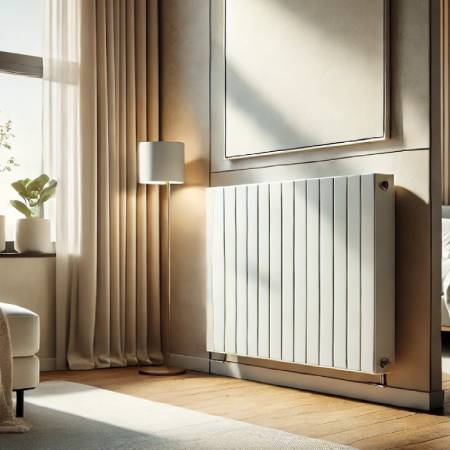
رادیاتورهای پنلی اغلب از جنس فولاد بوده و امروزه استفاده از آنها در اکثر کشورهای اروپایی رواج پیدا کرده است. به طوریکه استفاده از رادیاتورهای پنلی یا پانل رادیاتورها که در گروه رادیاتورهای فولادی عرضه می گردند، به دلیل ظرافت و زیبایی بیشتر و قیمت مناسب تر نسبت به انواع دیگر رادیاتور در حال افزایش است.
دمـاتجهیـز؛ مرکز تخصصی تامیـن تجهیـزات تهویـه و تاسیسـات (از سال۱۳۸۳)
ویژگی ها و مزایای رادیاتور پنلی
از ویژگیها و مزایای رادیاتور پنلی می توان به موارد زیر اشاره نمود:
- یکنواختی بیشتر در تأمین گرمایش محیط نسبت به رادیاتورهای پره ای
- سطح تابش یکنواخت و گسترده و گرمای تابشی بیشتر نسبت به انواع رادیاتور پرهای (هر چه سهم نوع گرمایش تابشی نسبت به گرمایش همرفتی بیشتر باشد، از نظر فیزیولوژی بدن انسان گرمایش دلپذیرتر خواهد بود.)
- زیبایی و تناسب با اغلب طرحهای دکوراسیون داخلی
- نصب یکپارچه و آب بندی خوب
- امکان نصب از هر دو طرف بلوک رادیاتورها در محل خود
معایب رادیاتور پنلی
همچنین رادیاتور پنلی دارای معایب و نقاط ضعفی به شرح زیر می باشد:
- به علت استفاده از فولاد، امکان زنگ زدن و سوراخ شدن رادیاتور فولادی یا پنلی در محیط های مرطوب نسبت به انواع رادیاتور آلومنیومی به ویژه در بلند مدت وجود دارد.
- در صورت آسیب و سوراخ شدن بدنه رادیاتور پنلی، امکان تعمیر مقرون به صرفه آن تقریباً وجود ندارد. (باید کل پنل تعویض شود.)
- امکان افزایش یا کاهش طول و ظرفیت حرارتی در هر بلوک از رادیاتورهای فولادی و پنلی وجود ندارد. (در چنین مواردی می توان با انشعاب از لوله رفت و برگشت شوفاژ و استفاده از پنل رادیاتور جداگانه، ظرفیت حرارتی را افزایش داد.)
نکاتی در رابطه با انتخاب رادیاتور پنلی و فولادی
- طبق معمول تأکید ما بر محاسبه دقیق بارهای حرارتی ساختمان توسط نرم افزار و نیز تأیید نتایج محاسبات توسط یک مهندس تأسیسات می باشد. که در این صورت قطعا هزینه های خرید و اجرا در کل کاهش خواهد یافت.
- لازم است رادیاتورها را در مرزهای سرد ساختمان (زیر پنجره ها و نزدیک جداره های خارجی بنا) نصب کنید، تا بهتر با نفوذ سرما مقابله کند.
- امروزه با توجه به هزینه های سنگین سوخت از یک طرف و همچنین پدیده گرمایش زمین از طرف دیگر، استفاده از شیرهای ترموستاتیک رادیاتوربه جای شیرهای معمولی برای رادیاتورها یک اجبار و انتخاب کاملاً هوشمندانه و اقتصادی بوده و به شدت از هزینه سوخت مصرفی (تا 30 درصد) و قبوض گاز شما میکاهد و همچنین در افزایش عمر موتورخانه و پکیج نیز تأثیر محسوس دارد.
- استفاده از شیر هواگیری خودکار رادیاتور باعث سهولت در عمل هواگیری می شود و علاوه بر اینکه گرمایش کامل محیط منزل شما را در زمستان تأمین می کند، خطر نشت آب از رادیاتور به مبلمان و اثاثیه را جدا کاهش میدهد.
- هواگیری مرتب و به موقع از لازم ترین اصول نگهداری تجهیزات گرمایشی است. توجه داشته باشید هواگیری اصولی و به موقع سیستم مدار گرمایش هر سال در اول فصل سرما در حالتی که پمپ گردش آب رادیاتورها (پمپ سیرکولاتور) را خاموش کرده باشید، با دقت انجام شود.
انتخاب محل نصب رادیاتورهای فولادی و پنلی
- در فصل زمستان رادیاتور شوفاژ گرما به اتاق منتقل می کند. ولی دمای اتاق بالا نمیرود و این دما اغلب ثابت میماند. علت این است که گرمای تولید شده از طریق جداره ها و نفوذ هوای سرد بیرون تلف میشود.
- تلفات حرارتی از دو طریق انجام میگیرد. یکی تلفات حرارتی ناشی از جداره های پیرامونی ساختمان از قبیل سقف - کف و دیوار و پنجره و ... دیگری تلفات حرارتی ناشی از نفوذ هوای سرد بیرون از درزهای پنجره به داخل.
- به عبارت دیگر چه بخواهیم و چه نخواهیم تلفات حرارتی در ساختمانها صورت میگیرد. البته ما می توانیم با استفاده از پنجره های UPVC دوجداره و استفاده از شیر ترموستاتیک رادیاتور علاوه بر اینکه میزان تلفات حرارتی را کاهش می دهیم، در مصرف انرژی نیز کاملاً اقتصادی عمل کنیم.
- ارتفاع بلوک های رادیاتورهای فولادی پس از نصب روی پایه مربوطه 6 سانتیمتر بیشتر از ارتفاع کل هر پره می باشد، بنابراین هنگام برآورد ارتفاع مورد نیاز برای نصب رادیاتور فولادی و پنلی، جهت عدم برخورد با بازشوی پنجره ها به این موضوع دقت کافی مبذول فرمائید.
- به ابعاد کلی هر یک از بلوک های رادیاتور پنلی یا فولادی انتخابی خود با توجه به محل نصب آن در واحد دقت کنید، تا ارتفاع رادیاتور با پنجره بالای آن و طول بلوک رادیاتور با پریزهای برق برخورد نکند.
قیمت رادیاتور فولادی، پنلی و برقی
در مجموعه تخصصی دماتجهیز، انواع رادیاتور فولادی، پنلی و برقی را با بهترین قیمت، انتخاب و مورد بررسی قرار دهید. قیمت رادیاتور فولادی، پنلی و برقی با توجه به تنوع ظرفیت، مدل و برند های موجود در بازار متفاوت است، لازم به ذکر است که قیمت های ارائه شده در مجموعه دماتجهیز به روز بوده و تخفیف های مورد نظر مصرف کنندگان در این قیمت ها لحاظ گردیده است. به طوریکه این قیمت ها نیز شامل بخش تضمین بهترین قیمت های مجموعه تخصصی دماتجهیز می باشند.
دمـاتجهیـز؛ بهترین قیمت ها و برندهای معتبر تجهیزات تهویه و تاسیسات (از سال ۱۳۸۳)
خرید رادیاتور فولادی، پنلی و برقی
به دلیل تجمع هوای گرم در زیر سقف، استفاده از رادیاتورها تنها در شرایطی که فاصله کف تا سقف محل مورد نظر حداکثر 3 متر باشد، مناسب است و برای فضاهایی با ارتفاع سقف بیشتر، استفاده از وسایل گرمایشی دمنده دار مانند فن کویل، هیتر فن دار، هیتر تابشی و ... توصیه می شود.
جهت انتخاب و خرید رادیاتور فولادی، پنلی و برقی مناسب، ابتدا باید ظرفیت گرمایش مورد نیاز را تعیین کنید. در مجموعه تخصصی دماتجهیز، اطلاعات فنی و نحوه محاسبه ظرفیت ده ها مدل از انواع رادیاتور فولادی، پنلی و برقی، از برندهای معتبر با گارانتی اصلی، جهت برخورداری شما عزیزان از حس خوب خرید بهینه و هوشمند ارائه گردیده است.
تهیه و تنظیم توسط دپارتمان مهندسی بخش تجهیزات گرمایشی و موتورخانه دماتجهیز
کاربر گرامی:
ضمن تشکر از جنابعالی جهت اطمینانی که به نظرات فنی کارشناسان فروش دماتجهیز دارید، لازم به ذکر است که، انتخاب برند محصول موردنظر براساس سابقه، قدرت برند، خدمات و قیمت محصول نهایتا توسط خریدار تعیین میگردد. اما در رادیاتور فولادی، پنلی و برقی، اغلب کاربران و خریداران برندهای پرفروشی مانند ایران رادیاتور، بوتان، لورچ را با توجه به کیفیت، قیمت و خدمات بعد از فروش آنها انتخاب و خرید مینمایند.
چنانچه پس از مطالعه مطالب ارائه شده فوق، سوالات بیشتری جهت تصمیم گیری برای خرید انواع رادیاتور فولادی، پنلی و برقی مورد نیاز دارید، میتوانید پس از تماس با مجموعه دماتجهیز و شمارههای داخلی 107 - 108 - 121 - 122، از کارشناسان فروش بخش تجهیزات گرمایشی و موتورخانه مشاوره بگیرید و سوالات خود را مطرح نمایید.
"از دماتجهیز با اطمینان و خیال آسوده خرید کنید"

گواهینامـه ثبت علامت تجـاری + گواهینامـههای پروانـه کسـب از اتحادیـههای اصنـاف لوازم شوفاژ و تهویـه مطبـوع + اتحادیـه تخصصـی تولیـدکنندگان تجهیـزات تهویـه مطبـوع و شوفـاژ + اتحادیـه کسبوکارهای مجـازی
حضور دماتجهیز در نمایشگاه های بین المللی تاسیسات ساختمانی و سیستم های سرمایشی و گرمایشی از سال 1384 تا 1387
مجموعه تخصصی دماتجهیز علاوه بر جواز کسب معتبر از اتحادیه صنف شوفاژ و تهویه مطبوع، دارای نماد اعتماد الکترونیکی بوده و فعالیت خود را از سال 1383 در دفتر مرکزی تهران آغاز نموده است.
بیشتر ببینید، بهتر انتخاب کنید
4BTU=1K cal

منتظر تماس و مشتاق دیدارتان در مجموعه تخصصی دمـاتجهیــز هستیم
با اشتراک گذاری متون فوق در شبکه های اجتماعی، دوستان خود را از مطالب مهم آن آگاه سازید.
 |
 |
 |
 |
 |
 |
 |
 |





دفتر مرکزی: تهران - خیابان طالقانی - بین مفتح و بهار - نبش طالبیان - ساختمان ۴۶۳
کارخانه: جاده قدیم ساوه - بعد از سه راهی آدران - شهرک صنعتی قلعه میر - خیابان رینگ کار
دماتجهیز: مرکز تخصصی و مهندسی تامین تجهیزات تهویه و تاسیسات (از سال 1383)
مجموعه دمـاتجهیـز از سال ۱۳۸۳ بهعنوان اولین و تخصصی ترین عرضه کننده تجهیزات تهویه مطبوع، تجهیزات گرمایش و موتورخانه، تاسیسات استخر، سونا، جکوزی و تجهیزات کنترل فعالیت خود را آغاز نمود. این مجموعه کامل و تخصصی با ارائه محصولات معتبر و با کیفیت بالا در 80 کتگوری و دسته بندی مرتبط، بهعنوان مرجعی قابل اعتماد برای تامین نیازهای انواع سیستمهای تهویه مطبوع و تاسیسات ساختمان در سراسر کشور ایران و حتی کشورهای خاورمیانه، عراق، ارمنستان، ازبکستان، افغانستان، آذربایجان، ترکمنستان و غرب آسیا شناخته میشود.


خیلی خوبه خدایی
قشنگ گرم میکنه اتاق 20 متری رو