
رادیاتور برقی
رادیاتور برقی یا شوفاژ برقی راهحلی عالی و سازگار با محیط زیست جهت ایجاد گرمایش در فضاهای با متراژ کوچک محسوب میشود. در ادامه مطالبی درمورد مشخصات، روش انتخاب و خرید رادیاتور برقی (از سال ۱۳۸۳) ارائه شده است.
راهنمای جامع انتخاب و قیمت رادیاتور برقی
رادیاتور برقی یکی از انواع رادیاتورهای گرمایشی است که بصورت پرتابل و قابل حمل، تولید و عرضه میگردد.
رادیاتورهای برقی بدلیل داشتن وزن و ابعاد کم و مناسب در مکانهایی که با کمبود فضا و گرمایش مواجه هستند، براحتی و سریع میتوان با اتصال به پریز برق و بدون لوله کشی در فضای دلخواه نصب شوند.
استفاده از انواع شوفاژ برقی جهت تأمین گرمایی مطلوب، بدلیل سهولت در بهرهبرداری، ایمنی بالا و عملکرد بدون صدا، یکی از محبوبترین انتخابهای مصرفکنندگان در سیستمهای گرمایش تکمیلی و فوری ساختمان محسوب میگردد.
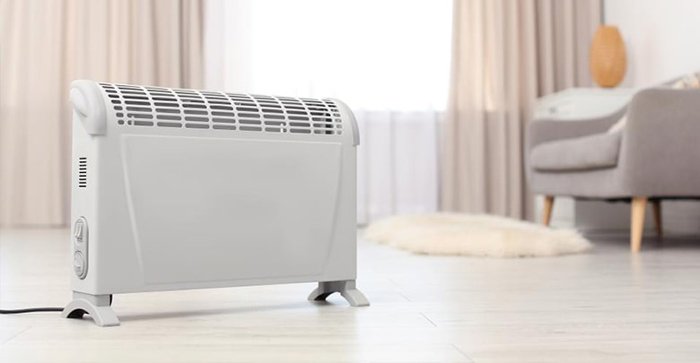
شوفاژ برقی یا رادیاتور برقی چیست؟
شوفاژ برقی یا رادیاتور برقی از جدیدترین تجهیزات گرمایشی محسوب میگردد که بعنوان یک واحد مستقل گرمایی، توسط نیروی الکتریکی موجب ایجاد گرمایش در فضاهای مختلف میشود و سیال واسطه این دستگاه روغن است.
رادیاتورهای برقی بصورت پرتابل در ظرفیتهای مختلف تولید شده و معمولاً دارای برق مصرفی تکفاز هستند.
رادیاتور یا شوفاژ برقی در مکانهای مختلف از جمله اتاقخواب، اتاقسرایدار یا نگهبان، مکانهایی که فاقد لولهکشی گاز هستند یا دسترسی به سوخت گاز ندارند و ... مورد استفاده قرار میگیرد.
بطورکلی اگر فضایی دارید که متراژ کمی دارد و یا در مکان خود دسترسی به گاز ندارید، استفاده از رادیاتورهای برقی جهت تأمین سیستم گرمایشی موردنیاز، یکی از بهترین گزینهها محسوب می شود.
دمـاتجهیـز؛ راهنمـای انتخـاب، قیمـت و تأمین تجهیـزات تهویـه و تأسیسـات (از سال ۱۳۸۳)
روش انتخاب و تعیین ظرفیت و تعداد پره رادیاتور برقی
برای آشنایی با نحوه انتخاب رادیاتور برقی بنا به نوع کاربری و متراژ محیط موردنظر خود، لطفاً به نکات زیر توجه نمایید:
- رادیاتورهای برقی 5 تا 7 پره برای یک اتاق 6 تا 8 متر مربع با ارتفاع سقف حدود 2.8 متر در شرایط اقلیمی نه چندان سرد، مناسب هستند.
- شوفاژ برقی 7 تا 9 پره برای یک فضای اتاق 8 تا 10 متر مربع با ارتفاع سقف حدود 2.8 متر در شرایط اقلیمی نه چندان سرد، میتواند مناسب باشد.
- شوفاژ یا رادیاتور برقی 9 تا 11 پره برای یک فضای 10 تا 12 متر مربع با ارتفاع سقف حدود 2.8 متر در شرایط اقلیمی نه چندان سرد، میتواند مناسب باشد.
- شوفاژ برقی یا رادیاتورهای برقی 11 تا 13 پره برای یک اتاق 12 تا 15 مترمربع با ارتفاع سقف حدود 2.8 متر در شرایط اقلیمی نه چندان سرد، میتواند مناسب باشند.
جدول برآورد تقریبی تعداد پره رادیاتور برقی
به جدول زیر توجه نمایید:
| تعداد پره | متراژ محیط | ارتفاع سقف محیط |
|---|---|---|
| 5-7 | 6 تا 8 متر | 2.8 متر |
| 7-9 | 8 تا 10 متر | 2.8 متر |
| 9-11 | 10 تا 12 متر | 2.8 متر |
| 11-13 | 12 تا 15 متر | 2.8 متر |
لیست قیمت رادیاتور برقی از پرفروشترین برندها
در جدول زیر اقتصادیترین و بروزترین لیست قیمت رادیاتور برقی از برندهای پرفروش و مطرح ارائه شده است.
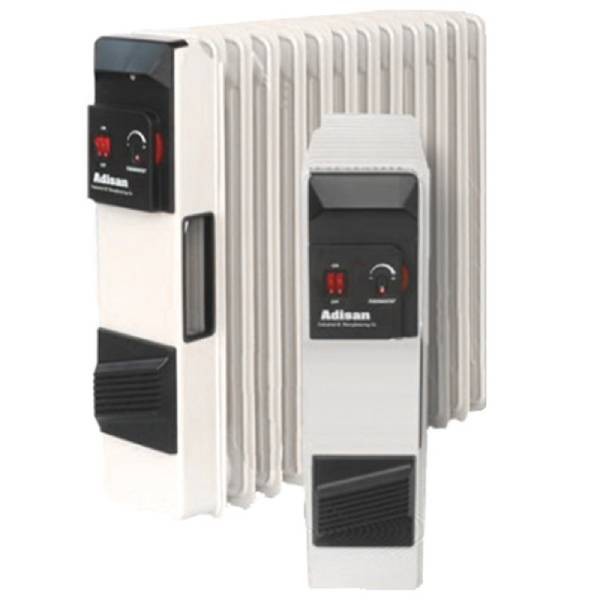
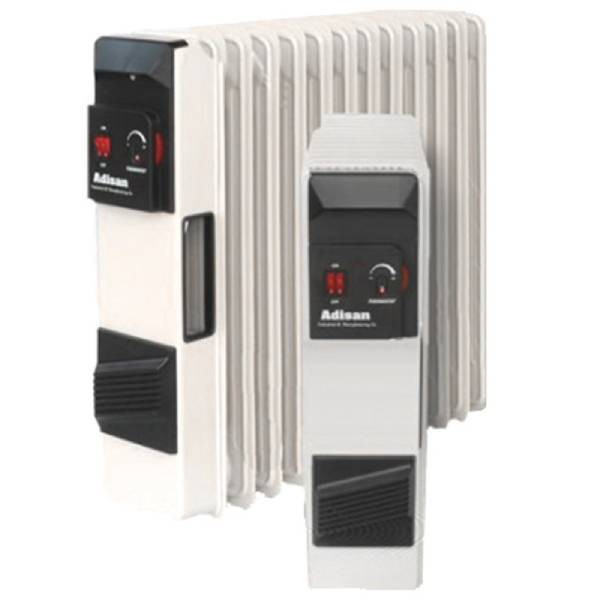
بطورکلی از پرفروشترین برندهای شوفاژ برقی می توان به میدیا، آدیسان، نیکای، نوا، آوکس، تاپسان و ... اشاره نمود که دارای کیفیت مطلوب و قیمتهای بهینه هستند.
لطفاً توجه نمایید:
| برند رادیاتور برقی | نوع-تعداد پره | قیمت(تومان) |
|---|---|---|
| آدیسان | پرهای- از 7 الی 16 پره | از 16/275/000 الی 37/200/000 |
| میدیا | پرهای- از 11 الی 13 پره | از 16/200/000 الی 17/200/000 |
| نیکای | پرهای- از 11 الی 13 پره | از 14/600/000 الی 15/600/000 |
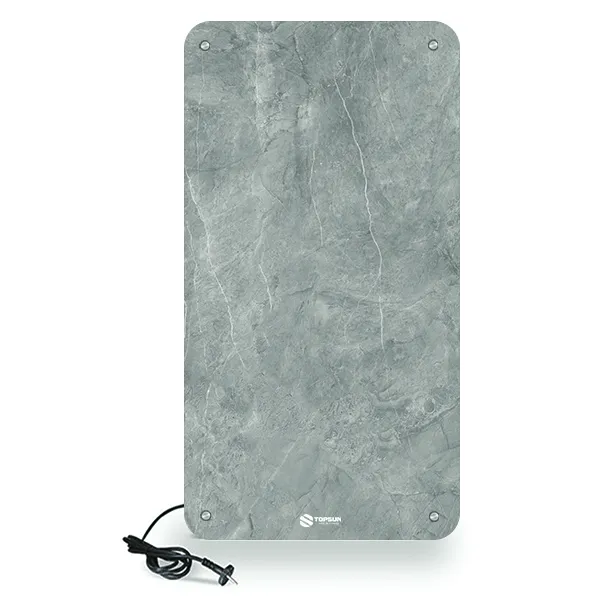
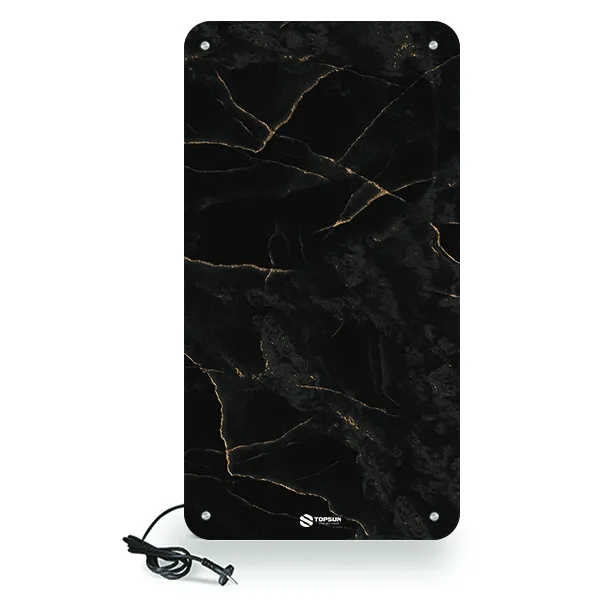
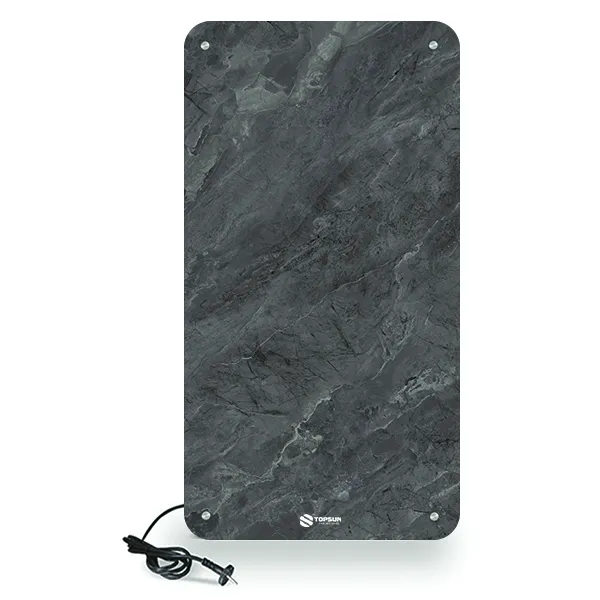
| تاپسان | دکوراتیو-مدلهای مختلف | از 9/533/000 الی 14/410/000 |
شوفاژ برقی چگونه کار میکند؟
در داخل دستگاه شوفاژ برقی المنتهای حرارتی تعبیه شده که گرمای این المنتها توسط انرژی الکتریکی (برق) تأمین گردیده و سپس روغنی که در داخل پرههای رادیاتور برقی جریان دارد، توسط این المنتهای حرارتی، گرم میشود.
در نتیجه وقتی روغن موجود در دستگاه به دمای مناسب و حرارت موردنیاز رسید، در داخل پرههای رادیاتور شروع به حرکت کرده و جریان مییابد و گرما را به پرههای دستگاه منتقل مینماید. بدینترتیب، شوفاژ برقی حرارت لازم را برای ایجاد گرمایش در محیط بدست میآورد و باعث گرم شدن محیط اطراف میگردد.
مزایای رادیاتور برقی
ویژگیها و مزایای استفاده از انواع رادیاتور برقی به شرح زیر هستند:
- روغن دائمی دستگاه
- سازگاری با محیط زیست
- کاربری و بهره برداری آسان
- عدم نیاز به لوله کشی شوفاژ
- عدم نیاز به سرویس و نگهداری
- تنوع در اندازه، تعداد پره، مدل و رنگ
- قابلیت تأمین حرارت بالا با توجه به برق مصرفی
- تأمین گرمایش بصورت یکنواخت و فوری در محیط
- دارای قابلیت نصب و جابجایی آسان از محیطی به محیط دیگر
- مجهز به سیستم ایمنی قطعکن خودکار در زمان گرم شدن بیش از حد دستگاه
- مجهز به ترموستات ایمنی جهت کنترل دمای محیط، مدیریت مصرف برق دستگاه و جلوگیری از واژگونی احتمالی دستگاه
انواع رادیاتور برقی
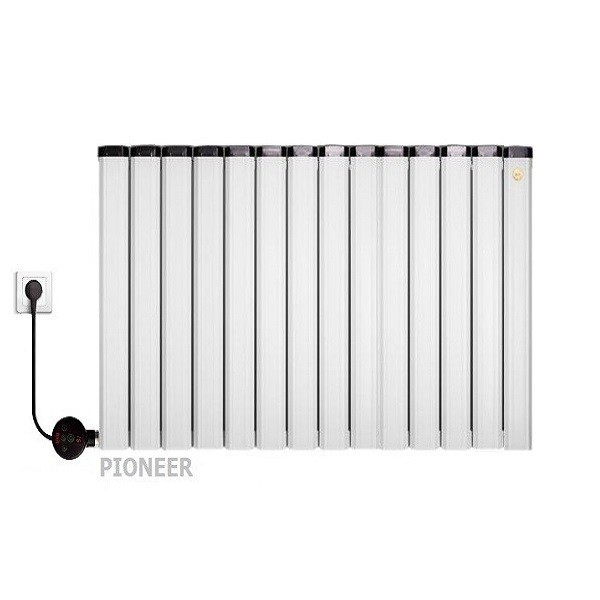
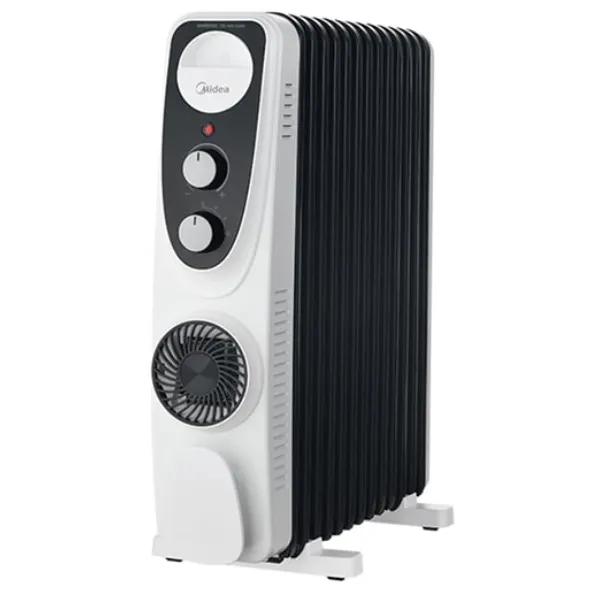
بطورکلی رادیاتورهای برقی به دو نوع پرهای (معمولی) و دکوراتیو تقسیم میشوند.
رادیاتورهای برقی پرهای بنا به تعداد پرهها، ظرفیت، ابعاد و قابلیتهای خود جهت تأمین سیستم گرمایشی محیطهای مختلف با متراژهای مشخص (برحسب تعداد پره) مورد استفاده قرار میگیرند.
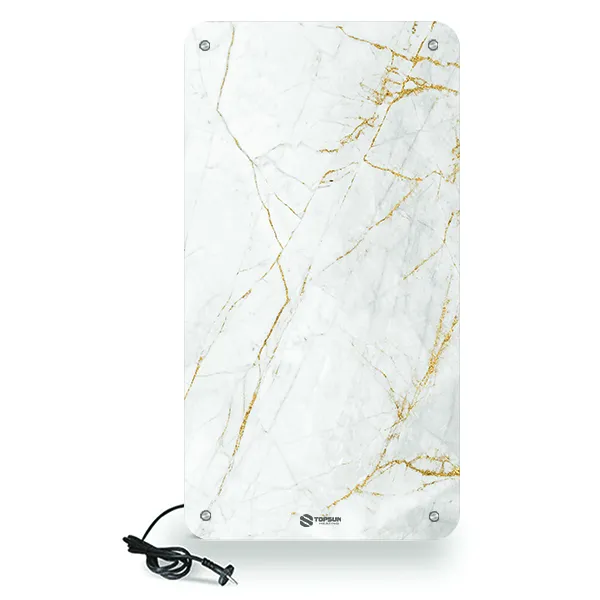
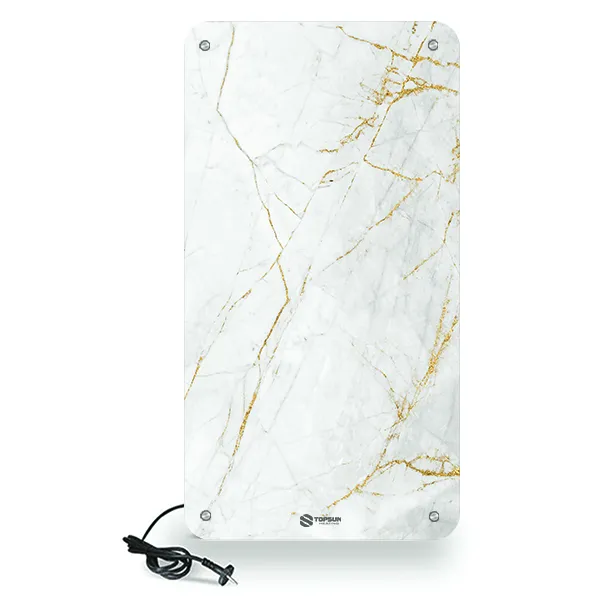
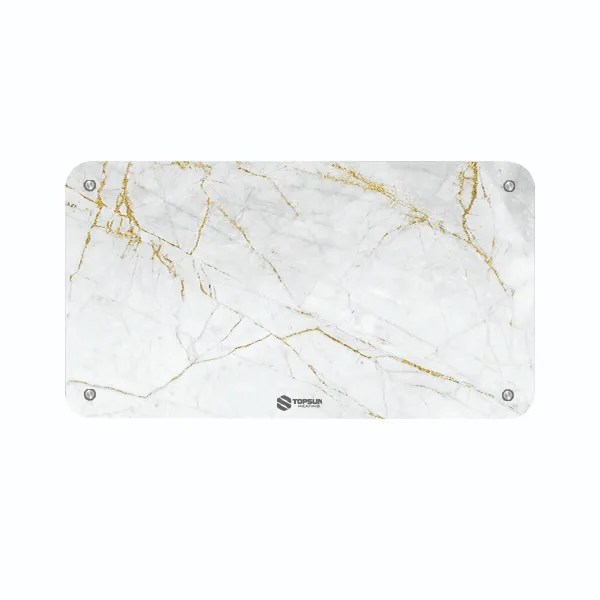
رادیاتور برقی دکوراتیو نیز مانند سایر شوفاژهای برقی موجب ایجاد گرمایش در محیطهای مختلف میگردد، لذا از نطر نوع طراحی، ظاهر، ابعاد، جنس و ... با سایر رادیاتورها متفاوت است و ظاهری شیک و زیبایی دارد.
رادیاتورهای برقی دکوراتیو دارای تنوع زیادی بوده و بصورت سفارشی (بنا به درخواست مشتری عزیز) نیز تولید میشوند. همچنین این نوع از شوفاژهای برقی در دو حالت افقی و عمودی قابل نصب هستند.
لازم به ذکر است که فاکتورها و یا عواملی از قبیل تنوع در سایز و ظرفیت حرارتی، تنوع در متریال رادیاتور و شکل و ظاهر دستگاه سبب ایجاد تنوع و تفاوت در مدلهای شوفاژهای برقی از جمله مدلهای پرهای و یا دکوراتیو میگردند.
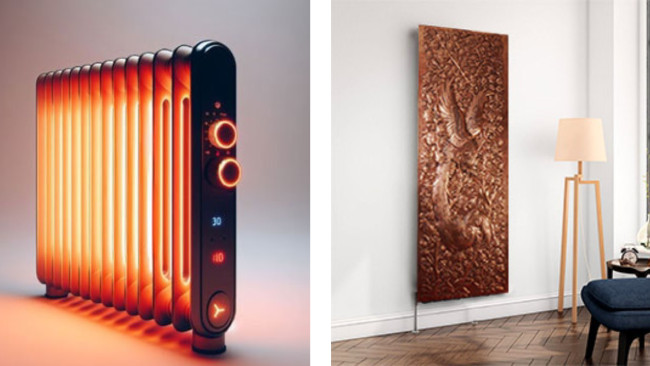
انواع رادیاتور برقی پرهای
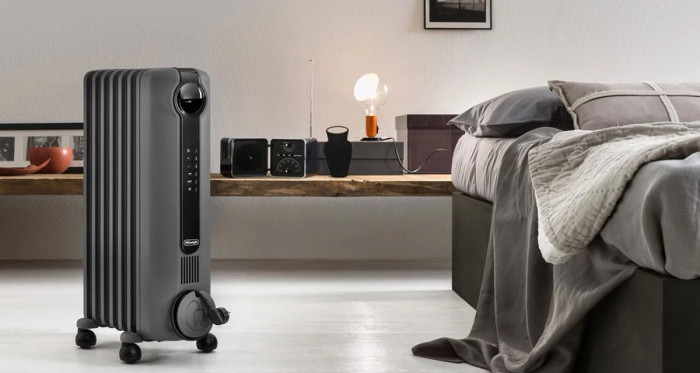
رادیاتورهای برقی پرهای خود به سه دسته شوفاژهای برقی روغنی (سیال حرارتی پر از روغن)، بدون روغن (حرارتی خشک) و سرامیکی (سنگ خشک) تقسیم بندی میشوند. در ادامه به توضیح هر یک میپردازیم:
رادیاتور برقی روغنی (سیال حرارتی پر از روغن)
پرههای این نوع از رادیاتورهای برقی دارای روغن ترمودینامیکی بوده و گرمای ثابتی را بطوریکنواخت تولید مینمایند. همچنین اگر شوفاژهای برقی روغنی با ظاهر زیبا را به دیوار نصب کنید، فضای بیشتری را نسبت به رادیاتورهای معمولی گرم میکنند و بهمین علت برای استفاده در مناطق سرد نیز مناسب هستند.
رادیاتور برقی بدون روغن (حرارتی خشک)
شوفاژ برقی حرارتی خشک یا بدون روغن همانقدر که خیلی سریع گرم میشود، همانقدر هم سریع سرد میگردد. یعنی با تغییرات دمایی بسیار سازگار بوده و بلافاصله بعد از کم و زیاد کردن درجه حرارتی این رادیاتورها، میتوانید تغییرات را احساس نمایید. همچنین این رادیاتورهای برقی دارای ظاهری زیبا و شیکی بوده و از قابلیت نصب در هر قسمت از منازل نیز برخوردارند.
شوفاژ برقی سرامیکی (سنگ خشک)
این مدل از شوفاژهای برقی توسط گرمای تابشی فضای بیشتری را نسبت به دو مدل دیگر گرم نموده و با جابهجایی هوا براحتی سرد نمیشوند و بهمین دلیل برای استفاده در فضاهای داخلی که سخت گرم میگردند، مناسب هستند.
درواقع سنگهای سرامیکی که برای ساخت این نوع شوفاژ برقی بکار رفته سبب شده تا از دست دادن گرما در این دستگاه شوفاژ رادیاتور، نیاز به زمان بیشتری داشته باشد و گرما را مدت طولانیتری حفظ مینماید.
خرید رادیاتور برقی
جهت انتخاب و خرید رادیاتور برقی مناسب، ابتدا باید بنا به نوع کاربری و متراژ محیط خود، مقدار گرمای موردنیاز (ظرفیت حرارتی دستگاه) و پس از آن تعداد پرههای شوفاژ برقی موردنظر را تعیین نمایید. سپس به نکات دیگری نظیر وجود یا عدم وجود فن گردش هوا رادیاتورهای برقی باید توجه کرد. چراکه، وجود فن در رادیاتورهای برقی به نشانه چرخش هوای بهتر و یکنواختتر در محیط است تا دمای اتاق سریعتر به سطح مطلوبتری برسد. لذا برای فضاهایی با متراژ کوچکتر، لزوماً نیازی به استفاده از شوفاژهای برقی فندار نیست و مدلهای فاقد فن نیز میتوانند گرمایش موردنیاز را ایجاد نمایند.
در مجموعه تخصصی دماتجهیز، اطلاعات فنی انواع رادیاتورهای برقی از برندهای معتبر با گارانتی اصلی، جهت برخورداری شما عزیزان از حس خوب خرید بهینه و هوشمند ارائه گردیده است.
توجه به میزان مصرف برق رادیاتور برقی
یکی از نکات مهم دیگر در زمان انتخاب و خرید شوفاژ برقی توجه به میزان مصرف انرژی یا برق دستگاه است.
بطورکلی توان مصرفی و تعداد پره در شوفاژهای برقی پرهای روغنی باهم ارتباط مستقیمی دارند. درواقع هرچه تعداد پرهها رادیاتور بیشتر باشد، علاوه بر قدرت گرمایش بیشتر، دارای مصرف انرژی یا برق بالاتری نیز است.
لازم است با اطلاع از نوع کاربری و متراژ مکان موردنظر استفاده از شوفاژ برقی، از بین مدلهای 7 پره و 13 پره این دستگاه انتخاب کنید. همچنین رادیاتورهای برقی دارای یک ترموستات برای تعیین سطح گرمادهی است که بدین بوسیله هر دستگاهی را میتوان به کمک ولوم تعیین سطح دما، متناسب با فضای مورداستفاده تغییر داد و در مصرف انرژی نیز صرفه جویی نمود.
دمـاتجهیـز؛ مرکز تخصصی تأمیـن تجهیـزات تهویـه و تأسیسـات (از سال ۱۳۸۳)
قیمت رادیاتور برقی
بطورکلی قیمت رادیاتور برقی بتناسب تعداد پرهها، ظرفیت، ابعاد و برند این دستگاه متغییر است. بعنوان مثال هرچه تعداد پرهها و ابعاد رادیاتورهای برقی بیشتر باشد، قیمت آن ها نیز افزایش مییابد.
شما عزیزان میتوانید با توجه به بودجهای که در نظر گرفتهاید از میان مدل های مختلف رادیاتورهای برقی از برندهای معتبر نظیر میدیا، آدیسان، نیکورا، نیکای، ایوولی و ... در مجموعه دماتجهیز، مناسبترین انتخاب را داشته باشید.
لازم به ذکر است که، قیمت شوفاژ برقی در انواع مختلف ارائه شده در مجموعه مرجع و تخصصی دماتجهیز بروز بوده و تخفیفهای موردنظر مصرفکنندگان در این قیمتها، لحاظ گردیده است.
نکات مهم قبل از خرید شوفاژ برقی
قبل از انتخاب و خرید شوفاژ برقی در انواع مختلف میبایست به نکات مهمی توجه کنید که، عبارتند از:
- هرچه تعداد پرهها در رادیاتورهای برقی بیشتر باشد، مقدار گرمادهی آنها نیز، افزایش خواهد یافت.
- رادیاتور برقی مجهز به سیستم کنترل حرارت بوده و از داغ شدن بیش از حد سیستم، جلوگیری میکند.
- رادیاتورهای برقی با انرژی الکتریکی کار میکنند و در حالت تکفاز (220 ولت) تولید و طراحی میگردند. همچنین توجه داشته باشید که مصرف برق این دستگاهها نسبت به سایر تجهیزات گرمایشی، تا حدودی بالا است.
- شوفاژهای برقی بصورت صنعتی و مجهز به سیستم تنظیم حرارت در سه توان 1000، 1500 و 2500 وات به تولید میرسند. بهعبارتی دیگر میتوان گفت رادیاتورهای برقی از نظر گرمادهی نیز در 3 ظرفیت تولید میشوند.
دمـاتجهيــز ؛ هـــزاران محصـول برای هـــزاران پــروژه مهندسی و صنعتی (از سال ۱۳۸۳)
نکات مهم در نحوه استفاده از شوفاژ برقی
بعد از خرید رادیاتور برقی نیز باید به نکات مهمی در جهت استفاده بهینه از این دستگاه توجه نمود که بتوان میزان مصرف انرژی رادیاتور را تا حدودی کاهش داد و سبب افزایش طول عمر و دوام دستگاه شد.
این نکات مهم عبارتند از:
انتخاب محل نصب رادیاتورهای برقی
در نظر داشته باشید که، اتلاف حرارتی از دو طریق انجام میگیرد. یکی تلفات حرارتی ناشی از جدارهها از قبیل سقف، کف و دیوار و پنجره و ... و دیگری تلفات حرارتی ناشی از نفوذ هوای سرد از درزهای پنجره میباشد.
این تلفات حرارتی در هر حالتی صورت می گیرد. بنابراین ما میتوانیم با استفاده از پنجرههای UPVC دوجداره میزان اتلاف حرارتی را کاهش دهیم.
همچنین توصیه میشود که، بعد از درزگیری و بهرهمندی از پنجرههای دوجداره، رادیاتورها زیر پنجره نصب شوند. چرا که، هوا در این قسمت نسبت به دیگر قسمتهای محیط سردتر بوده و با گرمای تولید شده توسط رادیاتور تبادل داشته و در محیط گردش نموده و دمای محیط را متعادل کند.
تنظیم سطح گرمایشی و دمای مناسب برای رادیاتور
به این نکتهی مهم توجه داشته باشید که باید سطح گرمادهی شوفاژ برقی را متناسب با دمای فضای مورداستفاده تنظیم نمایید تا موجب بهینهسازی در مصرف انرژی دستگاه شوید.
توجه به اتصالات شوفاژهای برقی
برای افزایش طول عمر، دوام و مستحکم بودن شوفاژ رادیاتور برقی، همواره باید به بخشهای اساسی دستگاه نظیر سلامت کابل برق، فن و محکم بودن پایهها توجه و دقت ویژهای داشته باشید.
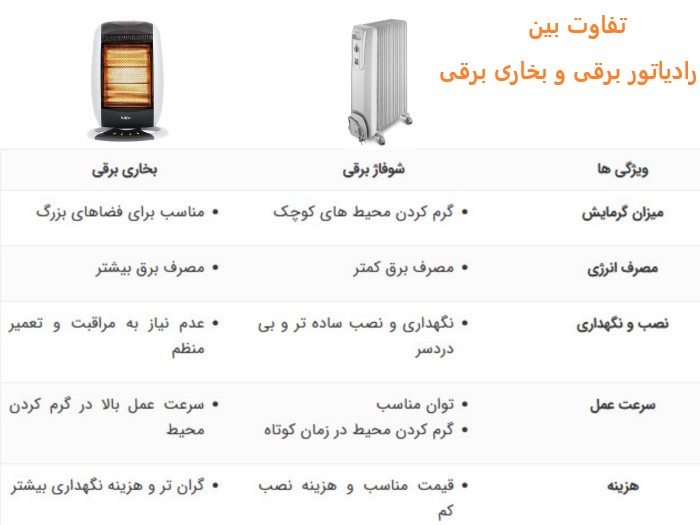
تفاوت رادیاتور برقی با بخاری برقی چیست؟
همانطور که گفته شد، رادیاتور برقی جهت ایجاد گرمایش (بصورت محدود) در محیطهایی با متراژ کم استفاده میشود و اگر بخواهیم این دستگاه را با بخاری برقی مقایسه کنیم، باید بگوییم که بخاریهای برقی در انواع مختلف دارای ظرفیت حرارتی بیشتری نسبت به شوفاژهای برقی هستند و فضای موردنظر را در فاصلهی زمانی کوتاهتری گرم نموده و به درجه دمای دلخواه میرسانند.
ناگفته نماند که مصرف برق رادیاتورهای برقی از بخاری های برقی کمتر است.
- برای آشنایی بیشتر درمورد تفاوت بخاری برقی و شوفاژ برقی لطفاً به تصویر زیر، توجه نمایید.
دمـاتجهیـز؛ بهتـریـن قیمـت ها و برندهای معتبـر تجهیـزات تهویـه و تأسیسات (از سال ۱۳۸۳)
کاربر گرامی
ضمن تقدیر و تشکر از جنابعالی جهت اطمینانی که به نظرات فنی کارشناسان فروش دماتجهیز دارید، لازم به ذکر است که، انتخاب برند محصول موردنظر براساس سابقه، قدرت برند، خدمات و قیمت محصول نهایتاً توسط خریدار تعیین میگردد. لذا در زمینه رادیاتور برقی شوفاژ، اغلب کاربران و خریداران برندهای پرفروشی مانند آدیسان، میدیا، مگامکس، نیکای، نیکورا، آوکس، ایوولی و ... را با توجه به کیفیت، قیمت و خدمات بعد از فروش آنها انتخاب و خرید مینمایند.
- چنانچه پس از مطالعه مطالب ارائه شده فوق، سوالات بیشتری جهت تصمیمگیری برای خرید انواع رادیاتور برقی موردنیاز دارید، میتوانید پس از تماس با مجموعه دماتجهیز و شمارههای داخلی 107 - 108 - 121، از کارشناسان فروش بخش تجهیزات گرمایشی و موتورخانه یا بخش خانگی و اداری مشاوره بگیرید و سوالات خود را مطرح کنید.
"از دماتجهیز با اطمینان و خیال آسوده خرید کنید"

گواهینامـه ثبت علامت تجـاری + گواهینامـههای پروانـه کسـب از اتحادیـههای اصنـاف لوازم شوفاژ و تهویـه مطبـوع + اتحادیـه تخصصـی تولیـدکنندگان تجهیـزات تهویـه مطبـوع و شوفـاژ + اتحادیـه کسبوکارهای مجـازی

"حضور دماتجهیز در نمایشگاه های بین المللی تاسیسات ساختمانی و سیستمهای سرمایشی و گرمایشی"
"بیشتر ببینید، بهتر انتخاب کنید"

"منتظر تماس و مشتاق دیدارتان در مجموعه تخصصی دمـاتجهیــز هستیم"










دفتر مرکزی: تهران - خیابان طالقانی - بین مفتح و بهار - نبش طالبیان - ساختمان ۴۶۳
کارخانه: جاده قدیم ساوه - بعد از سه راهی آدران - شهرک صنعتی قلعه میر - خیابان رینگ کار
دماتجهیز: مرکز تخصصی و مهندسی تامین تجهیزات تهویه و تاسیسات (از سال 1383)
مجموعه دمـاتجهیـز از سال ۱۳۸۳ بهعنوان اولین و تخصصی ترین عرضه کننده تجهیزات تهویه مطبوع، تجهیزات گرمایش و موتورخانه، تاسیسات استخر، سونا، جکوزی و تجهیزات کنترل فعالیت خود را آغاز نمود. این مجموعه کامل و تخصصی با ارائه محصولات معتبر و با کیفیت بالا در 80 کتگوری و دسته بندی مرتبط، بهعنوان مرجعی قابل اعتماد برای تامین نیازهای انواع سیستمهای تهویه مطبوع و تاسیسات ساختمان در سراسر کشور ایران و حتی کشورهای خاورمیانه، عراق، ارمنستان، ازبکستان، افغانستان، آذربایجان، ترکمنستان و غرب آسیا شناخته میشود.


