
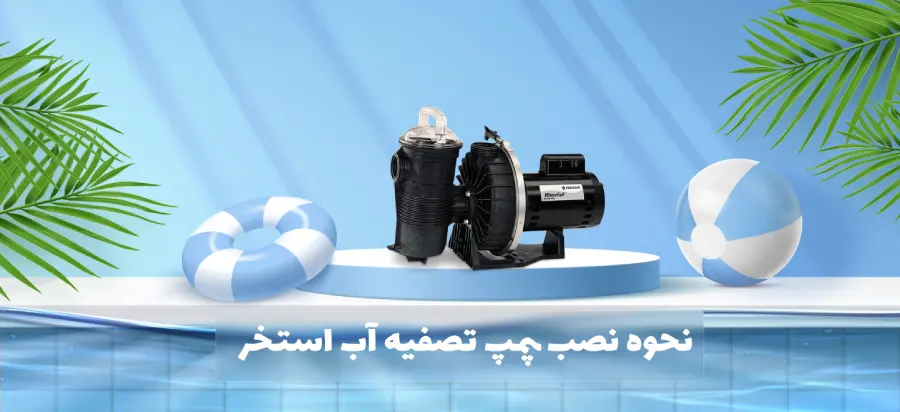
پمپ تصفیه آب استخر
از مهمترین اجزای سیستم فیلتراسیون استخر، پمپ تصفیه آب استخر است. انتخاب پمپ تصفیه مناسب بر اساس حجم آب، نوع و کاربری استخر، نقش مهمی در افزایش کیفیت آب ایفا می کند. در ادامه به بررسی مشخصات فنی، انواع و روش انتخاب پمپ تصفیه استخر میپردازیم.
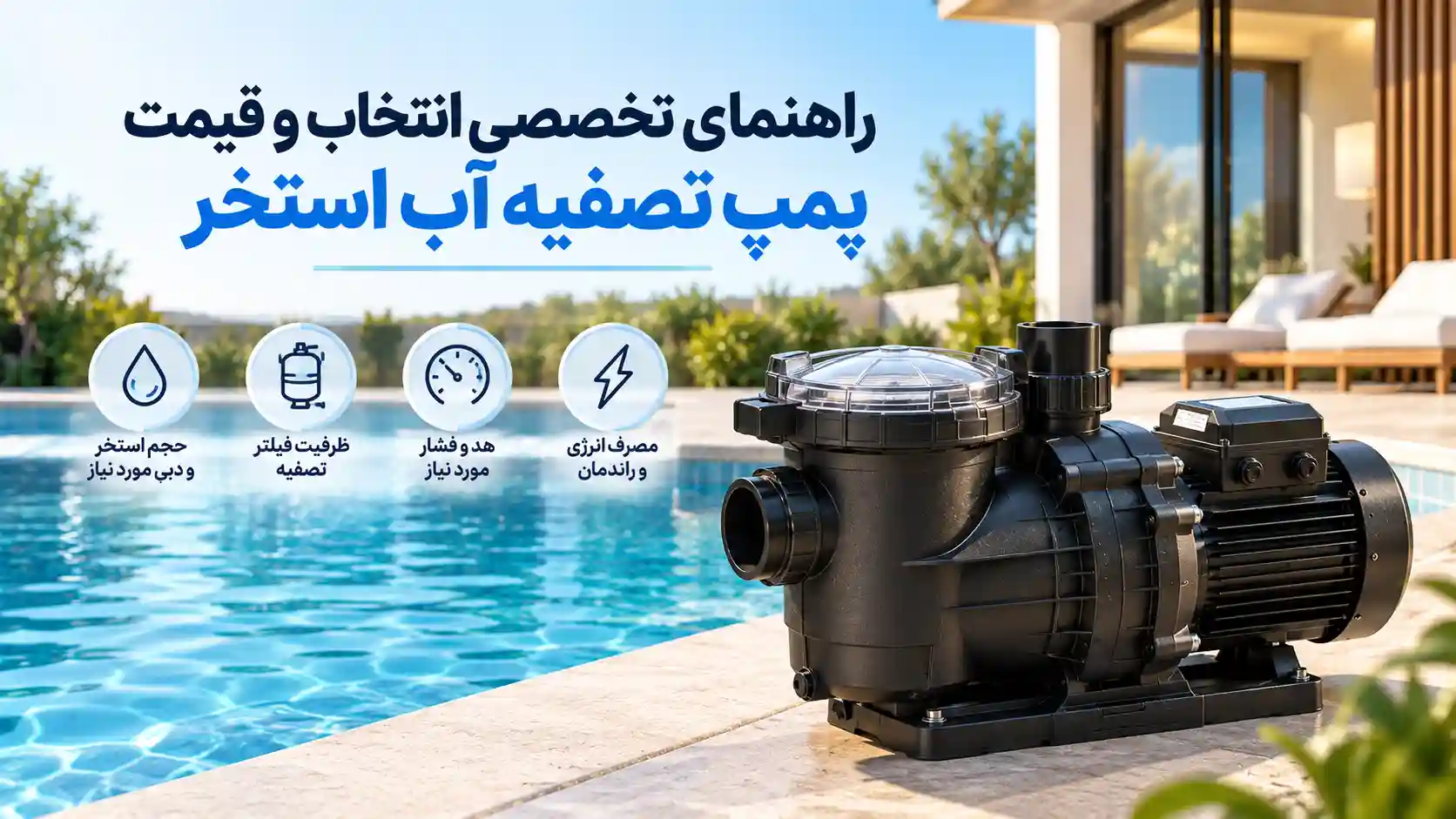
راهنمای تخصصی انتخـاب و قیمت پمپ تصفیه آب استخر
پمپ تصفیه آب استخر یکی از اصلیترین تجهیزات سیستم گردش و فیلتراسیون استخر است که وظیفه دارد آب را از کاسه استخر مکش کرده، از فیلتر و سایر تجهیزات تصفیه عبور دهد و دوباره به استخر بازگرداند. انتخاب صحیح پمپ بر اساس حجم آب، دبی موردنیاز، هد، ظرفیت فیلتر، طول مسیر لولهکشی و نوع کاربری استخر، تأثیر مستقیمی بر کیفیت تصفیه آب، مصرف انرژی و طول عمر تجهیزات دارد.
پمپهای تصفیه استخر در مدلها و ظرفیتهای مختلف و با قابلیتهایی مانند تکسرعته، دوسرعته و دور متغیر تولید میشوند. در این صفحه میتوانید با انواع پمپ تصفیه استخر، نحوه محاسبه دبی و هد، نکات مهم انتخاب و نصب و همچنین قیمت پمپ استخر آشنا شوید.
دمـاتجهیـز؛ راهنمای انتخاب، قیمت و تامین تجهیزات تهویه و تاسیسات (از سال 1383)
پمپ تصفیه آب استخر چیست؟
پمپ تصفیه استخر معمولاً از نوع سانتریفیوژ است و برای ایجاد جریان در مدار گردش آب مورد استفاده قرار میگیرد. این پمپ با استفاده از پروانه و موتور الکتریکی، آب را در مدار به حرکت درمیآورد تا آب استخر پس از عبور از تجهیزات مختلف، دوباره به کاسه استخر بازگردد.
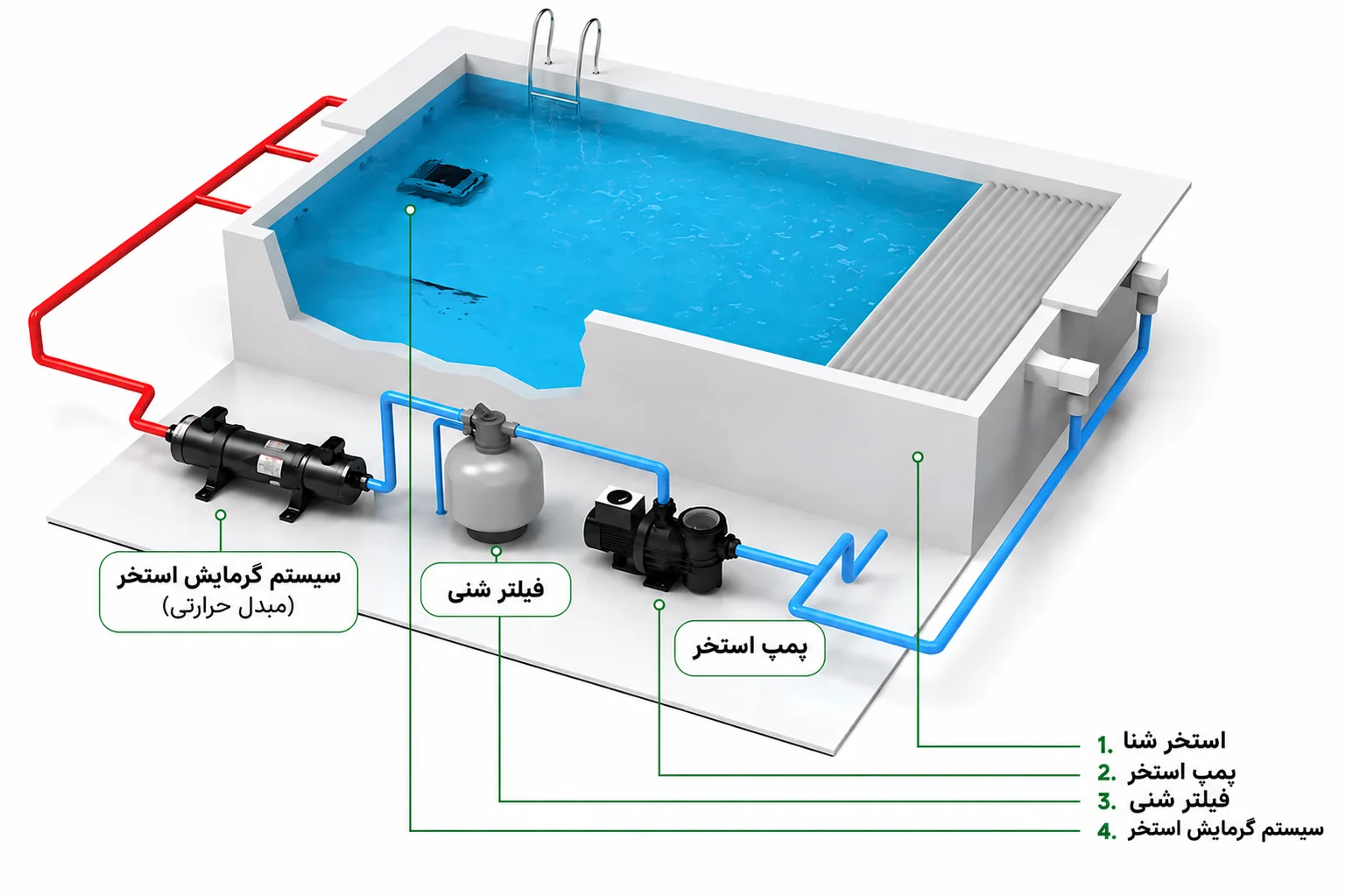
فرآیند گردش آب معمولاً به این صورت انجام میشود:
آب از طریق اسکیمر و کفشور از استخر مکش میشود → وارد استرینر یا موگیر پمپ میشود → توسط پمپ به سمت فیلتر هدایت میشود → آب از فیلتر شنی، کارتریجی یا سایر تجهیزات تصفیه عبور میکند → پس از عبور از تجهیزات موردنیاز، از طریق نازلهای برگشت به استخر بازمیگردد.
بنابراین پمپ، نیروی محرکه اصلی مدار گردش آب است و انتخاب نادرست آن میتواند عملکرد فیلتر و سایر تجهیزات را تحت تأثیر قرار دهد. معمولا ظرفیت عملکرد آن باید به گونه ای باشد که توانایی عبور کل آب استخر در 6 تا 8 ساعت را داشته باشد. ضمنا لزومی ندارد پمپ تصفیه استخر بصورت شبانه روزی در حال کار باشد، کافی است در هر شبانه روز، یک بار آب استخر را از فیلتر استخر عبور دهد.
پمپ تصفیه استخر چگونه کار میکند؟
در واقع پمپ تصفیه استخر دقیقاً بین بخش مکش استخر (اسکیمر و درین) و ورودی فیلتر نصب میشود: خط مکش → استرینر پمپ → خروجی پمپ → فیلتر → تجهیزات جانبی (هیتر/ضدعفونی) → خط بازگشت. بهاین ترتیب، پمپ عامل محرک کل سیکل گردش و تصفیه آب استخراست.
پمپ تصفیه استخر از مهم ترین تجهیزات در مدار فیلتراسیون استخراست که با ایجاد جریان پیوسته، آب را از کاسه استخر خارج، از فیلتر عبور داده و پس از تصفیه و ضدعفونی، به استخر بازمیگرداند. انتخاب صحیح توان، دبی و هد پمپ و توجه به قطر لوله ورودی و خروجی آب، تضمینکننده شفافیت پایدار آب و کارکرد بهینه کل سامانه است.
نکته : برای جلوگیری از بروز هر گونه احتمال اتصال کوتاه برقی و زنگ زدن پایه های پمپ، انتخاب پمپ استخر فیلتردار با بدنه غیر فلزی (ABS یا باکالیت) و صدای کمتر ارجح است.
انواع پمپ تصفیه آب استخر
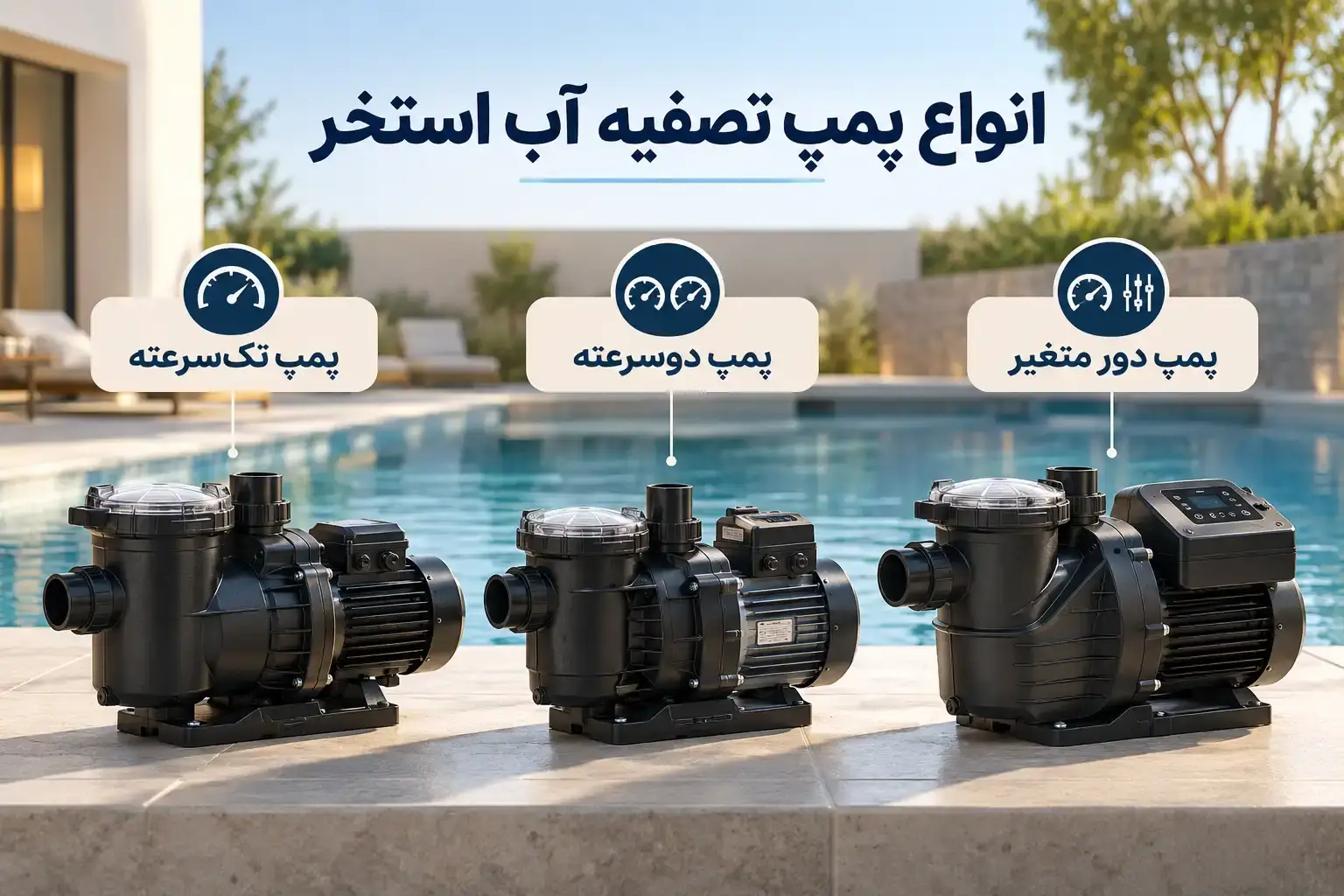
پمپهای تصفیه استخر را میتوان از نظر نحوه کنترل سرعت موتور به سه گروه اصلی تقسیم کرد: تکسرعته، دوسرعته و دور متغیر.
1. پمپ تصفیه استخر تکسرعته
پمپ تکسرعته با یک سرعت ثابت کار میکند و ساختار سادهتری نسبت به مدلهای پیشرفته دارد. قیمت اولیه مناسب و تعمیر و نگهداری نسبتاً ساده از مهمترین مزایای این نوع پمپ است. در مقابل، چون موتور در یک دور ثابت کار میکند، امکان تنظیم دبی متناسب با شرایط مختلف وجود ندارد و در برخی پروژهها مصرف انرژی آن میتواند بیشتر از مدلهای دور متغیر باشد. این مدل معمولاً برای پروژههایی که سادگی سیستم و هزینه اولیه اهمیت بیشتری دارد، مورد توجه قرار میگیرد.
2. پمپ تصفیه استخر دوسرعته
پمپ دوسرعته امکان کارکرد در دو سرعت مختلف را فراهم میکند. معمولاً از سرعت پایین برای گردش و فیلتراسیون عادی و از سرعت بالاتر برای شرایطی که به دبی بیشتری نیاز است استفاده میشود. این نوع پمپ در مقایسه با مدل تکسرعته انعطافپذیری بیشتری دارد، اما امروزه در بسیاری از پروژههای جدید، مدلهای دور متغیر به دلیل امکان کنترل دقیقتر سرعت، گزینه پیشرفتهتری محسوب میشوند.
3. پمپ تصفیه استخر دور متغیر
پمپ دور متغیر یا Variable Speed Pump امکان تنظیم سرعت موتور را متناسب با نیاز سیستم فراهم میکند. به همین دلیل میتوان در زمانهایی که دبی بالایی موردنیاز نیست، پمپ را با دور پایینتر به کار گرفت.
مهمترین مزایای این نوع پمپ عبارتاند از:
- امکان تنظیم دقیقتر دبی
- انعطافپذیری بیشتر در بهرهبرداری
- کاهش صدای کارکرد در دورهای پایین
- کاهش مصرف انرژی در شرایط مناسب کاری
- مناسب برای سیستمهایی با ساعات کارکرد بالا
البته میزان صرفهجویی انرژی به شرایط پروژه، نحوه بهرهبرداری، منحنی عملکرد پمپ و تنظیمات سیستم بستگی دارد و نمیتوان یک درصد ثابت را برای تمام پروژهها اعلام کرد.
دمـاتجهیـز؛ بهترین قیمت ها و برندهای معتبر تجهیزات تهویه و تاسیسات (از سال ۱۳۸۳)
نکات مهم در انتخاب و خرید پمپ تصفیه آب استخر
انتخاب پمپ تصفیه آب استخر باید بر اساس مشخصات فنی استخر و شرایط عملکرد سیستم تصفیه انجام شود. حجم آب استخر، دبی مورد نیاز، هد پمپ، ظرفیت فیلتر، طول مسیر لولهکشی، نوع کاربری، میزان مصرف انرژی و بودجه از مهمترین عواملی هستند که هنگام خرید باید در نظر گرفته شوند.
پمپ نامناسب ممکن است باعث کاهش کیفیت گردش و فیلتراسیون آب، افزایش مصرف برق، ایجاد صدای زیاد و وارد شدن فشار اضافی به فیلتر و سایر تجهیزات شود. بنابراین بهتر است پیش از خرید، ابتدا دبی و هد مورد نیاز سیستم مشخص شده و سپس پمپ مناسب بر اساس منحنی عملکرد آن انتخاب شود.
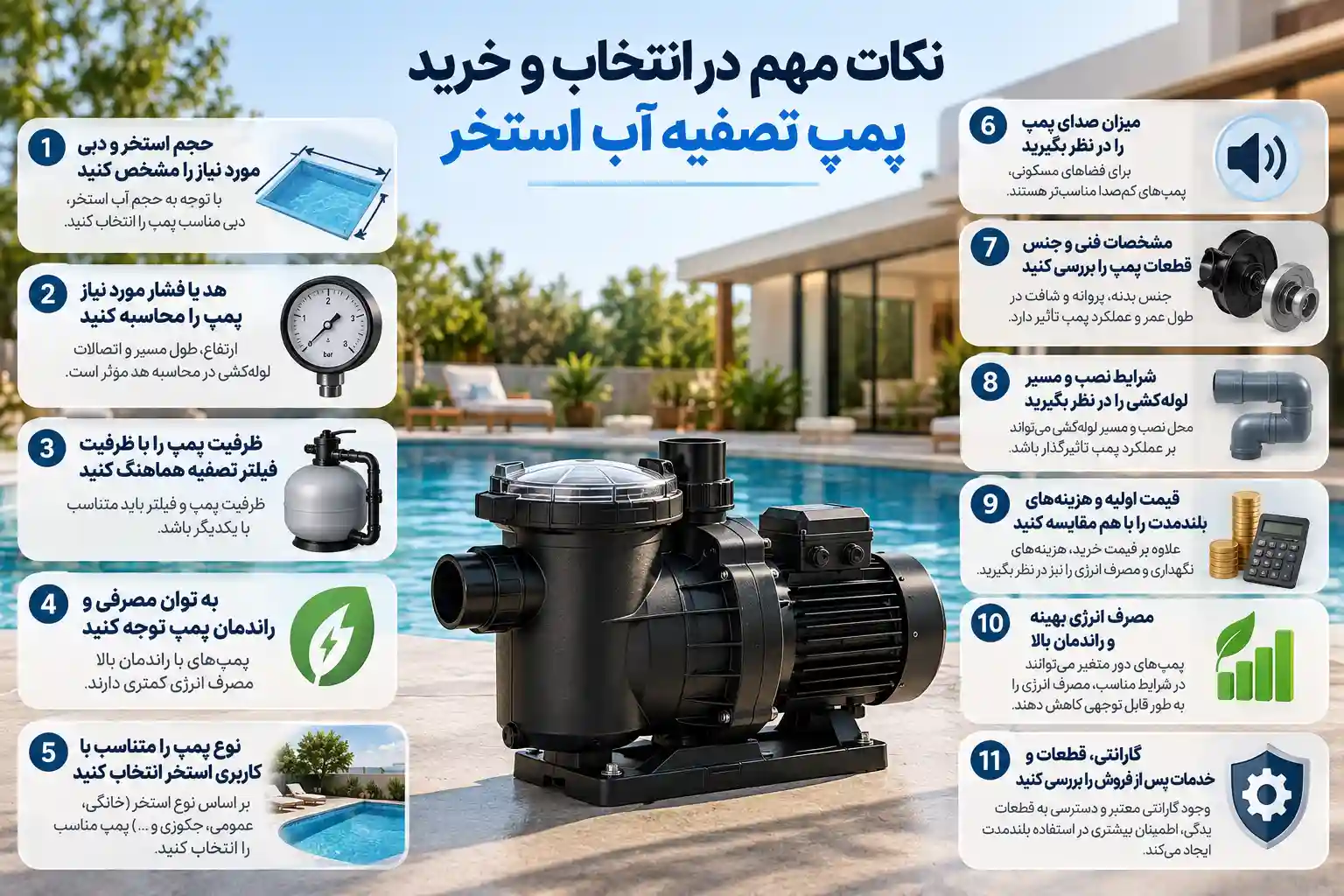
1. حجم استخر و دبی مورد نیاز را مشخص کنید
اولین مرحله برای انتخاب پمپ تصفیه آب استخر، محاسبه حجم آب استخر است. برای استخرهای مستطیلی میتوان حجم آب را با فرمول زیر محاسبه کرد:
حجم استخر (مترمکعب) = طول × عرض × عمق متوسط
برای مثال، حجم استخری با طول ۱۰ متر، عرض ۵ متر و عمق متوسط ۱٫۵ متر برابر است با:
۱۰ × ۵ × ۱٫۵ = ۷۵ مترمکعب
پس از محاسبه حجم، باید مدتزمان مورد نیاز برای گردش کامل آب مشخص شود. برای انتخاب پمپ استخر، معمولاً گردش کل آب در بازه ۶ تا ۸ ساعت در نظر گرفته میشود.
فرمول محاسبه دبی مورد نیاز نیز به شکل زیر است:
دبی مورد نیاز (مترمکعب بر ساعت) = حجم استخر ÷ زمان گردش آب
برای مثال، اگر حجم استخر ۷۵ مترمکعب باشد و گردش کامل آب طی ۶ ساعت انجام شود:
۷۵ ÷ ۶ = ۱۲٫۵ مترمکعب بر ساعت
بنابراین دبی مورد نیاز سیستم در این مثال حدود ۱۲٫۵ مترمکعب بر ساعت خواهد بود.
با این حال، این عدد بهتنهایی برای انتخاب نهایی پمپ کافی نیست. طول و قطر لولهها، تعداد اتصالات و شیرآلات، افت فشار فیلتر شنی یا سایر فیلترها، مبدل حرارتی، کلرزن و دیگر تجهیزات موجود در مدار نیز روی عملکرد پمپ تأثیر میگذارند. به همین دلیل، پمپ نهایی باید بر اساس ترکیب حجم استخر، دبی مورد نیاز، هد کل و شرایط واقعی مدار لولهکشی انتخاب شود.
2. هد یا فشار مورد نیاز پمپ را محاسبه کنید
هد پمپ نشاندهنده توانایی پمپ برای غلبه بر مقاومت موجود در مسیر گردش آب است. برخلاف تصور رایج، انتخاب پمپ فقط بر اساس اسب بخار یا دبی صحیح نیست و باید هد مورد نیاز سیستم نیز مشخص شود.
عوامل اصلی مؤثر بر هد مورد نیاز عبارتاند از:
- طول مسیر لولهکشی
- قطر و جنس لولهها
- تعداد زانوها، شیرآلات و اتصالات
- فشار مورد نیاز تجهیزات خاص مانند جتها
- افت فشار فیلتر شنی، کارتریجی یا دیاتومه
- افت فشار مبدل حرارتی و سایر تجهیزات جانبی
- اختلاف ارتفاع میان پمپ و بخشهای مختلف سیستم
در واقع، هد کل پمپ باید به اندازهای باشد که پمپ بتواند دبی مورد نیاز را با غلبه بر مجموع افت فشارهای سیستم تأمین کند.
به همین دلیل، انتخاب پمپ استخر بهتر است بر اساس نقطه عملکرد واقعی سیستم و منحنی عملکرد پمپ (Pump Curve) انجام شود، نه صرفاً بر اساس توان موتور.
3. ظرفیت پمپ را با ظرفیت فیلتر تصفیه هماهنگ کنید
دبی پمپ باید با ظرفیت فیلتر تصفیه استخر تناسب داشته باشد. اگر دبی پمپ بیش از ظرفیت فیلتر باشد، سرعت عبور آب از فیلتر افزایش پیدا کرده و ممکن است عملکرد فیلتراسیون کاهش یابد یا فشار بیش از حدی به فیلتر وارد شود.
از طرف دیگر، انتخاب پمپی با دبی کمتر از نیاز سیستم نیز باعث میشود گردش آب به اندازه کافی انجام نشود.
بنابراین هنگام انتخاب پمپ، ظرفیت فیلتر شنی، کارتریجی یا دیاتومه، افت فشار آن و دبی مجاز فیلتر را در کنار مشخصات پمپ بررسی کنید.
4. به توان مصرفی و راندمان پمپ توجه کنید
مصرف انرژی یکی از عوامل مهم در هزینههای بلندمدت نگهداری استخر است. پمپهای تکسرعته با دور ثابت کار میکنند و در زمان روشن بودن، در یک سرعت مشخص فعالیت دارند. در مقابل، پمپهای دور متغیر امکان تنظیم سرعت موتور متناسب با نیاز سیستم را فراهم میکنند.
در زمانهایی که به دبی بالایی نیاز نیست، کاهش سرعت پمپ میتواند به کاهش مصرف برق و صدای دستگاه کمک کند. به همین دلیل، در استخرهایی که پمپ ساعات زیادی در طول روز کار میکند، بررسی راندمان انرژی و انتخاب مدل مناسب اهمیت بیشتری دارد.
5. نوع پمپ را متناسب با کاربری استخر انتخاب کنید
پمپهای تصفیه استخر از نظر نحوه کنترل سرعت موتور، معمولاً در مدلهای تکسرعته، دوسرعته و دور متغیر عرضه میشوند.
پمپ تکسرعته (Single Speed): ساختار ساده و قیمت اولیه پایینتری دارد، اما امکان تنظیم سرعت موتور وجود ندارد و مصرف انرژی آن در مقایسه با مدلهای دور متغیر بیشتر است.
پمپ دوسرعته (Dual Speed): امکان استفاده از دو سرعت مختلف را فراهم میکند. سرعت پایین برای گردش و فیلتراسیون معمولی و سرعت بالاتر برای شرایطی که به دبی بیشتری نیاز است مورد استفاده قرار میگیرد.
پمپ دور متغیر (Variable Speed): امکان تنظیم دقیق سرعت موتور را فراهم میکند و میتواند برای کاهش مصرف انرژی و صدای کارکرد، گزینه مناسبی باشد؛ بهخصوص در سیستمهایی که ساعات کارکرد طولانی دارند یا نیاز به دبیهای متفاوت در زمانهای مختلف وجود دارد.
6. میزان صدای پمپ را در نظر بگیرید
صدای پمپ تصفیه آب استخر، بهخصوص در استخرهای ویلایی و مسکونی، یکی از عوامل مهم در انتخاب تجهیزات است. میزان صدا به عواملی مانند سرعت چرخش موتور، طراحی هیدرولیکی پمپ، کیفیت ساخت و نحوه نصب بستگی دارد.
پمپهای دور متغیر به دلیل امکان کارکرد در سرعتهای پایینتر میتوانند در شرایط مناسب صدای کمتری ایجاد کنند. همچنین نصب پمپ روی سطح تراز و استفاده از تجهیزات مناسب برای کاهش لرزش میتواند انتقال صدا به محیط اطراف را کاهش دهد.
7. مشخصات فنی و جنس قطعات پمپ را بررسی کنید
پیش از خرید، مشخصات فنی پمپ را با نیازهای سیستم مقایسه کنید. مهمترین مشخصات عبارتاند از:
- جنس بدنه
- هد یا فشار
- جنس پروانه
- نوع برق مصرفی
- محدوده دمای کاری
- سایز ورودی و خروجی
- دبی یا ظرفیت آبدهی
- وجود استرینر یا موگیر یکپارچه
- توان موتور بر حسب اسب بخار
- نوع آببندی و متریال قطعات داخلی
از آنجا که پمپ تصفیه با آب و مواد شیمیایی مورد استفاده در استخر در ارتباط است، مقاومت قطعات در برابر خوردگی و مواد شیمیایی نیز اهمیت دارد.
8. شرایط نصب و مسیر لولهکشی را در نظر بگیرید
مشخصات موتورخانه و مسیر لولهکشی نیز در انتخاب پمپ مؤثر است. طول مسیر، قطر لولهها، تعداد اتصالات و موقعیت قرارگیری پمپ نسبت به استخر میتوانند بر افت فشار و در نتیجه هد مورد نیاز تأثیر بگذارند.بهتر است پیش از انتخاب نهایی، مسیر مکش و دهش، محل نصب پمپ، فیلتر و تجهیزات جانبی بررسی شود. همچنین استفاده از اتصالات و لولهکشی مناسب میتواند از افزایش افت فشار و کاهش راندمان سیستم جلوگیری کند.
9. قیمت اولیه و هزینههای بلندمدت را با هم مقایسه کنید
قیمت پمپ استخر تنها هزینهای نیست که باید هنگام خرید در نظر گرفته شود. توان مصرفی، ساعات کارکرد، هزینه سرویس، دسترسی به قطعات یدکی و طول عمر دستگاه نیز روی هزینه نهایی استفاده از پمپ تأثیر دارند. پمپهای تکسرعته معمولاً قیمت اولیه پایینتری دارند، در حالی که مدلهای دور متغیر به دلیل فناوری کنترل سرعت و راندمان بالاتر، معمولاً قیمت خرید بیشتری دارند. بنابراین انتخاب اقتصادی لزوماً به معنی انتخاب ارزانترین پمپ نیست و باید هزینه اولیه را در کنار هزینه بهرهبرداری بررسی کرد.
10. مصرف انرژی بهینه و راندمان بالا
یکی از معیارهای مهم در پمپهای مدرن، بازده بالا و مصرف برق کم است. مدلهای جدید از موتورهای کممصرف و سیستم کنترل دور استفاده میکنند که با تنظیم سرعت کارکرد، مصرف انرژی را به شکل چشمگیری کاهش میدهد. استفاده از پمپهای دور متغیر در مقایسه با مدلهای قدیمی میتواند هزینه برق را تا چند برابر کاهش دهد. این ویژگی برای استخرهای بزرگ و مجموعههای ورزشی اهمیت بیشتری دارد.
11. گارانتی، قطعات و خدمات پس از فروش را بررسی کنید
در زمان خرید پمپ تصفیه آب استخر، فقط مشخصات فنی و قیمت را بررسی نکنید. اعتبار برند، گارانتی، خدمات پس از فروش و امکان تأمین قطعاتی مانند پروانه، اورینگ، مکانیکال سیل و سایر قطعات مصرفی نیز اهمیت دارد. وجود خدمات فنی و قطعات یدکی در دسترس باعث میشود در صورت نیاز به تعمیر یا سرویس، مدت توقف سیستم تصفیه کاهش پیدا کند.
انتخاب پمپ تصفیه استخر بر اساس دبی و هد
در نهایت، انتخاب پمپ تصفیه آب استخر باید بر اساس دبی مورد نیاز در نقطه عملکرد واقعی سیستم و هد کل مورد نیاز انجام شود. برای این کار ابتدا حجم آب استخر محاسبه شده و دبی مورد نیاز بر اساس زمان گردش آب تعیین میشود. سپس افت فشار ناشی از لولهکشی، فیلتر و تجهیزات جانبی محاسبه شده و هد مورد نیاز به دست میآید.پس از مشخص شدن این دو پارامتر، میتوان منحنی عملکرد پمپ را بررسی و مدلی را انتخاب کرد که بتواند دبی مورد نیاز را در هد محاسبهشده تأمین کند و تا حد امکان در محدوده عملکرد بهینه خود کار کند.
نکته مهم: انتخاب پمپ با توان یا دبی بسیار بیشتر از نیاز سیستم لزوماً به معنی تصفیه بهتر آب نیست. پمپ بیشازحد بزرگ میتواند باعث افزایش مصرف انرژی، افزایش سرعت عبور آب از فیلتر و وارد شدن فشار اضافی به تجهیزات شود. از طرف دیگر، پمپ ضعیف نیز نمیتواند گردش آب مورد نیاز سیستم را تأمین کند. بنابراین انتخاب صحیح باید بر اساس محاسبات فنی کل مدار انجام شود.
دمـاتجهیـز؛ راهنمای تخصصی و مهندسی تامین تجهیزات تهویه و تاسیسات (از سال ۱۳۸۳)
لیست قیمت پمپ تصفیه آب استخر سال 1405
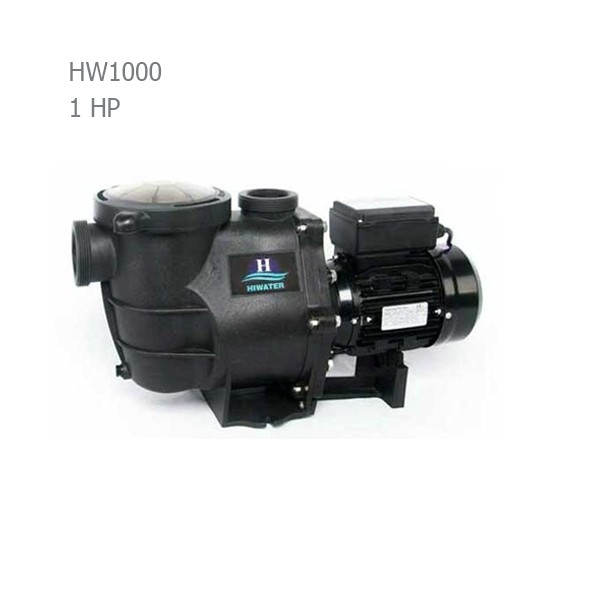
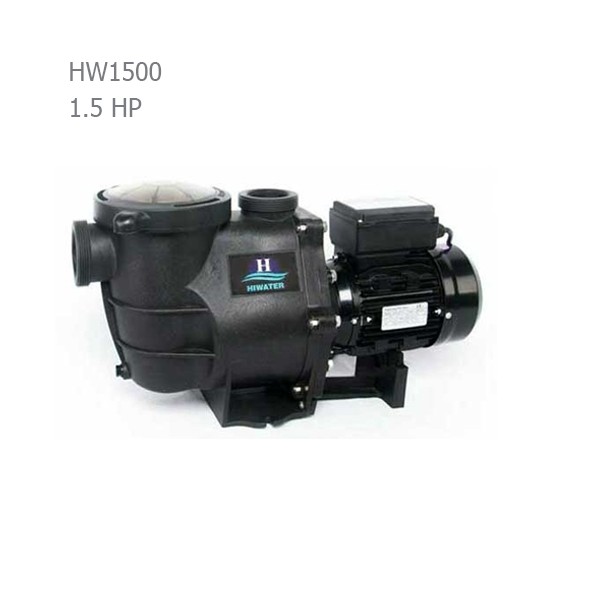
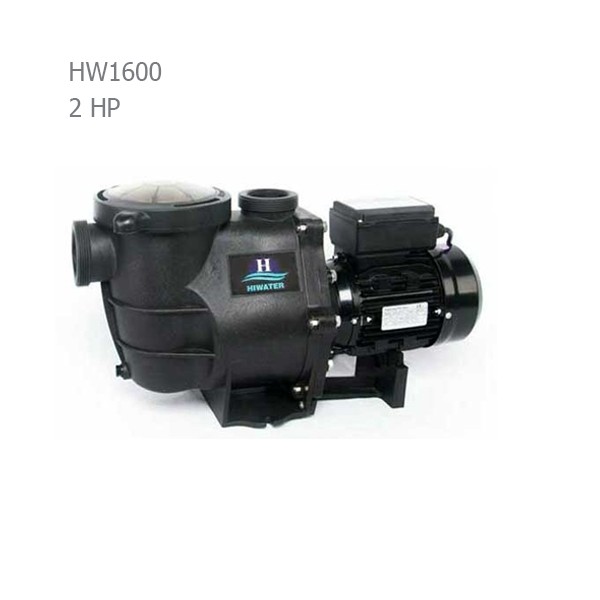
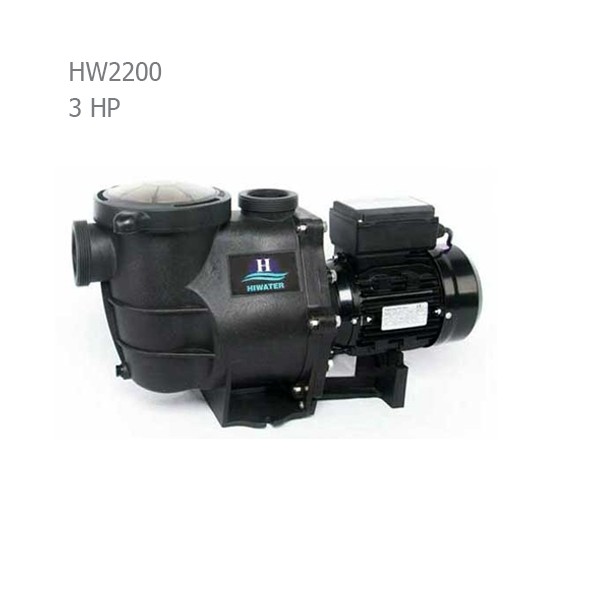
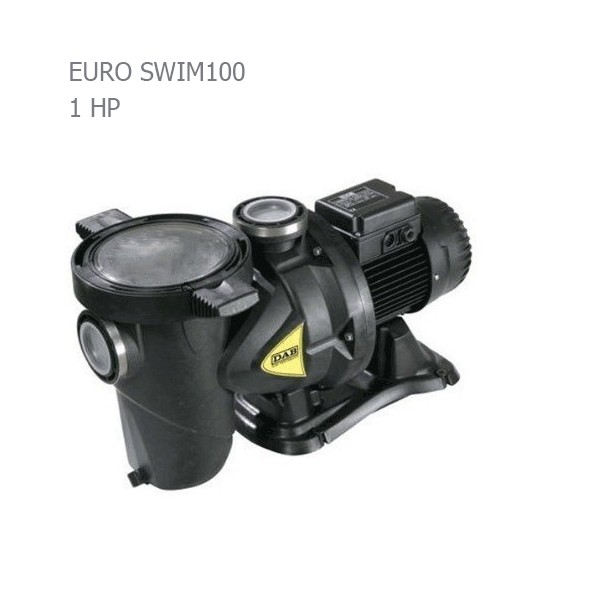
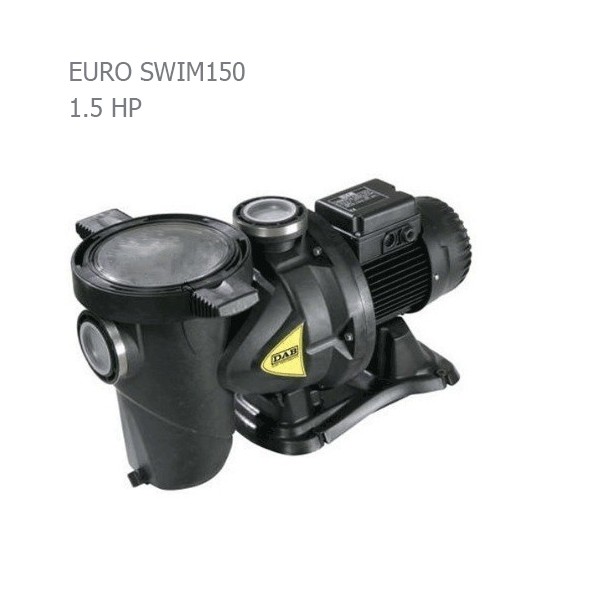
در دماتجهیز، ما به شما کمک میکنیم تا بهترین قیمت پمپ استخر را برای نیازهای خود انتخاب کنید. پمپهای تصفیه آب استخر نقش کلیدی در حفظ کیفیت آب و تمیزی استخر شما دارند. برندهای معتبر مانند آکوا استرانگ، هایواتر، داب ایتالیا، لئو و ایمکس با کیفیت بالا و کارایی بینظیر در دسترس شما هستند. در جدول زیر، محدوده قیمت پمپ استخر را برای کمک به تصمیمگیری بهتر شما ارائه کردهایم. برای اطلاعات بیشتر و خرید پمپ استخر ، به وبسایت دماتجهیز مراجعه کنید.
| برند پمپ تصفیه آب استخر | قیمت حدودی ( تومان) |
|---|---|
| پمپ استخر آکوا استرانگ | از 31/500/000 تا 52/200/000 |
| پمپ استخر هایواتر | از 31/200/000 تا 52/000/000 |
| پمپ استخر داب ایتالیا | استعلامی |
| پمپ استخر لئو | از 32/700/000 تا 48/700/000 |
| پمپ استخر ایمکس | از 46/900/000 تا 56/800/000 |
دماتجهیز با سالها تجربه در ارائه تجهیزات استخر و سیستمهای تصفیه آب استخر، تضمین کیفیت و خدمات پس از فروش را به شما ارائه میدهد. . برای مشاوره، اطلاع از قیمت پمپ استخر و خرید مناسبترین مدل میتوانید همین حالا با ما تماس بگیرید.
دمـاتجهیـز؛ مرکز تخصصی تامیـن تجهیـزات تهویـه و تاسیسـات (از سـال ۱۳۸۳)
نکاتی در مورد نصب پمپ استخر
نصب صحیح پمپ تصفیه آب استخر تأثیر مستقیمی بر عملکرد، طول عمر و ایمنی سیستم تصفیه دارد. پمپ باید روی سطحی تراز، محکم و بدون لرزش نصب شود و برای جلوگیری از آسیبهای احتمالی، کمی بالاتر از کف موتورخانه قرار گیرد. همچنین دسترسی کافی برای سرویس و تعمیرات، استفاده از شیرهای مناسب در مسیر مکش و دهش و قرار دادن موگیر یا استرینر در مسیر مکش از نکات مهم نصب پمپ استخر هستند.
بهتر است پمپ تا حد امکان نزدیک به استخر و زیر سطح آب نصب شود و مسیر لولهکشی نیز با حداقل خم و اتصالات ۹۰ درجه اجرا شود. در استخرهای عمومی، استفاده از پمپ رزرو با مشخصات فنی مشابه نیز برای جلوگیری از توقف سیستم تصفیه در زمان تعمیر یا سرویس توصیه میشود.
دمـاتجهیـز؛ بهتـریـن قیمـت ها و برندهای معتبـر تجهیـزات تهویـه و تاسیسـات (از سـال ۱۳۸۳)
خرید پمپ تصفیه آب استخر
گام اول جهت انتخاب و خرید پمپ استخر این است که باید فاصله موتورخانه تا کاسه استخر (طول مسیر لوله کشی) و همچنین افت فشار لوازم و تجهیزاتی مانند موگیر (استرینر)، صافی،مبدل حرارتی استخر (یاگرمکن آب استخر و جکوزی)، افت فشار فیلتر و افت فشار اتصالات را همراه با حجم کاسه استخر (جهت برآورد فشار و میزان دبی یا حجم آبدهی) و متناسب با نوع کاربری استخر، سرپوشیده یا سر باز در نظر گرفت.
جهت انتخاب و خرید آسان پمپ تصفیه استخر، در مجموعه تخصصی دماتجهیز، اطلاعات فنی ده ها مدل از پمپهای تصفیه آب استخر در مدلهای متنوع ، از برندهای ایمکس، هایواتر، لئو، هایوارد و... با گارانتی اصلی، جهت برخورداری شما عزیزان از حس خوب خرید بهینه و هوشمند ارائه شده است.
خرید اقساطی پمپ استخر
امکان خرید اقساطی پمپ استخر فرصتی مناسب برای خریداران فراهم میآورد. در این روش، مشتریان قادر خواهند بود بدون پرداخت یکجای هزینه، پمپ استخر موردنیاز خود را انتخاب کرده و مبلغ آن را در چند قسط منظم پرداخت نمایند. این شرایط علاوهبر تسهیل در مدیریت هزینهها، زمینهای را برای استفاده از تجهیزات استاندارد و باکیفیت فراهم میسازد و در نهایت به ارتقای سطح بهرهبرداری و نگهداری استخر کمک میکند.
دمـاتجهیـز؛ هـــزاران محصـول برای هـــزاران پــروژه مهندسی و صنعتی (از سال 1383)
تهیه و تنظیم توسط دپارتمان مهندسی بخش تجهیزات استخر، سونا، جکوزی دماتجهیز
- کاربر گرامی :
- ضمن تشکر از جنابعالی جهت اطمینانی که به نظرات فنی کارشناسان فروش مجموعه تخصصی دماتجهیز دارید، لازم به ذکر است انتخاب برند محصول موردنظر براساس سابقه ، قدرت برند ، خدمات و قیمت محصول نهایتا توسط خریدار تعیین میشود. اما در زمینه پمپ تصفیه استخر، اغلب کاربران و خریداران محترم برندهای پرفروشی مانند ایمکس (Emaux)، هایوارد (Hayward)، هایپرپول (Hyperpool)، آی ام ال (IML) و... را با توجه به کیفیت، قیمت و خدمات بعد از فروش آنها انتخاب و خرید مینمایند.
- چنانچه پس از مطالعه مطالب ارائه شده فوق، سوالات بیشتری جهت تصمیمگیری برای خرید پمپ استخر دارید، میتوانید پس از تماس با مجموعه دماتجهیز و شمارههای داخلی 107- 108، از کارشناسان فروش بخش تجهیزات استخر، سونا و جکوزی مشاوره بگیرید و سوالات خود را مطرح نمایید.
- با توجه به اینکه مجموعه تخصصی دماتجهیز ارائه دهنده انواع پمپ تصفیه استخر در منطقه خاورمیانه است، چنانچه برای هریک از کشورهای منطقه نیاز به Pool pump دارید، می توانید سفارش خرید خود را با اطمینان خاطر، گارانتی محصول و قیمت مناسب به کارشناسان فروش ما بسپارید.
"از دماتجهیز با اطمینان و خیال آسوده خرید کنید"

گواهینامـه ثبت علامت تجـاری + گواهینامـههای پروانـه کسـب از اتحادیـههای اصنـاف لوازم شوفاژ و تهویـه مطبـوع + اتحادیـه تخصصـی تولیـدکنندگان تجهیـزات تهویـه مطبـوع و شوفـاژ + اتحادیـه کسبوکارهای مجـازی

حضور دماتجهیز در نمایشگاه های بین المللی تاسیسات ساختمانی و سیستمهای سرمایشی و گرمایشی
بیشتر ببینید ، بهتر انتخاب کنید
مجموعه تخصصی دماتجهیز علاوه بر جواز کسب معتبر از اتحادیه صنف شوفاژ و تهویه مطبوع، دارای نماد اعتماد الکترونیکی بوده و فعالیت سایت فروشگاهی خود را از سال 1383 در دفتر مرکزی تهران آغاز نموده است.

منتظر تماس و مشتاق دیدارتان در مجموعه تخصصی دمـاتجهیــز هستیم
با اشتراک گذاری متون فوق در شبکه های اجتماعی، دوستان خود را از مطالب مهم آن آگاه سازید.




سوالات متداول


دفتر مرکزی: تهران - خیابان طالقانی - بین مفتح و بهار - نبش طالبیان - ساختمان ۴۶۳
کارخانه: جاده قدیم ساوه - بعد از سه راهی آدران - شهرک صنعتی قلعه میر - خیابان رینگ کار
دماتجهیز: مرکز تخصصی و مهندسی تامین تجهیزات تهویه و تاسیسات (از سال 1383)
مجموعه دمـاتجهیـز از سال ۱۳۸۳ بهعنوان اولین و تخصصی ترین عرضه کننده تجهیزات تهویه مطبوع، تجهیزات گرمایش و موتورخانه، تاسیسات استخر، سونا، جکوزی و تجهیزات کنترل فعالیت خود را آغاز نمود. این مجموعه کامل و تخصصی با ارائه محصولات معتبر و با کیفیت بالا در 80 کتگوری و دسته بندی مرتبط، بهعنوان مرجعی قابل اعتماد برای تامین نیازهای انواع سیستمهای تهویه مطبوع و تاسیسات ساختمان در سراسر کشور ایران و حتی کشورهای خاورمیانه، عراق، ارمنستان، ازبکستان، افغانستان، آذربایجان، ترکمنستان و غرب آسیا شناخته میشود.


