
مبدل حرارتی پوسته و لوله استخر
آبگرم استخر معمولاً از طریق انتقال حرارت غیر مستقیم بین آب گرم دیگ موتور خانه و آب استخر در مبدل حرارتی تامین میشود. در ادامه انواع، مشخصات فنی، روش انتخاب و قیمت خرید ویژه مبدل حرارتی استخر ارائه شده است.
راهنمای تخصصی انتخـاب و قیمت مبدل حرارتی استخر
مبدل حرارتی استخر وسیلهای است که بدون تماس و بثورت غیر مستقیم، گرمای آب داغ موتورخانه را به آب استخر منتقل میکند و دمای آب استخر را بالا میبرد.
این کار باعث میشود استخر در تمام طول سال دمای مطلوب و قابل کنترل داشته باشد.
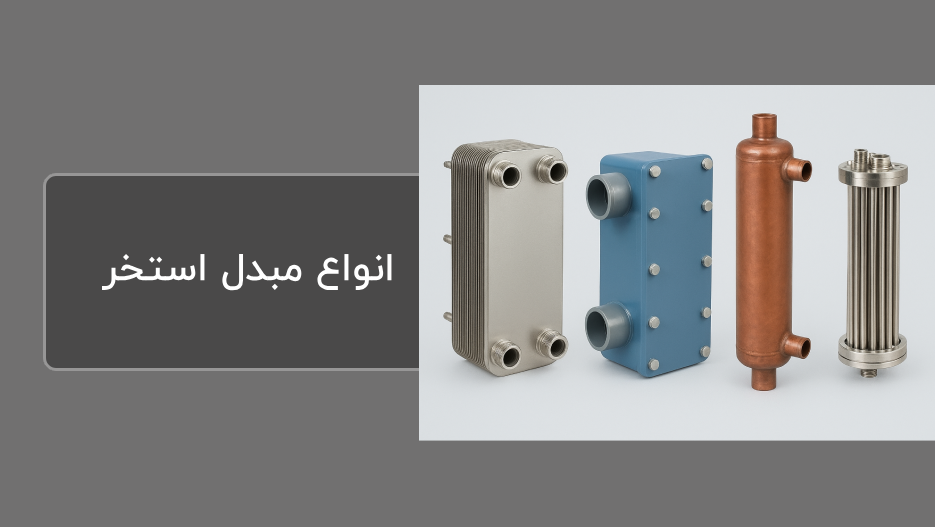
مبدلهای استخر معمولاً در دو مدل پوسته و لولهای و صفحهای ساخته میشوند. مدل پوسته و لولهای به دلیل دوام بالا، گزینهای مناسب برای استخرهای بزرگ و عمومی است؛ در حالی که مدل صفحهای بهدلیل راندمان حرارتی بالا و ابعاد کوچک، در بسیاری از سیستمهای خانگی و نیمهصنعتی استفاده میشود.
برای انتخاب مبدل استخر مناسب باید عواملی مانند حجم آب استخر، دمای دلخواه آب، توان بویلر و میزان گردش آب استخر در نظر گرفته شود.
انتخاب اصولی مبدل حرارتی استخر باعث گرمایش سریعتر آب، کاهش مصرف انرژی و عملکرد پایدار سیستم گرمایش در استخر خواهد شد.
دمـاتجهیـز؛ راهنمای انتخاب، قیمت و تامین تجهیزات تهویه و تاسیسات (از سال 1383)
مبدل حرارتی استخر چیست؟
در واقع مبدل حرارتی استخر دستگاهی است که وظیفه انتقال گرما از یک سیال گرم به آب استخر را بدون تماس مستقیم بین دو سیال بر عهده دارد. این تجهیزات با استفاده از اختلاف دما، انرژی گرمایی را از منابع حرارتی مانند آب گرم بویلر یا دیگ موتورخانه گرفته و به آب استخر منتقل میکنند.
ساختار مبدل استخری به گونهای طراحی شده که دو مسیر مجزا برای سیال گرم و آب استخر ایجاد میکند و جدارهای مقاوم، معمولاً از جنس استیل ضدزنگ، مس یا تیتانیوم، از تماس مستقیم آنها جلوگیری میکند. این طراحی باعث میشود گرما به شکل مؤثر و ایمن منتقل شود، بدون آنکه دو سیال با یکدیگر مخلوط شوند.
استفاده از مبدل حرارتی استخر باعث کنترل دقیق دمای آب استخر، افزایش راندمان انرژی و حفظ کیفیت آب و تجهیزات میشود. این دستگاهها برای حفظ شرایط مطلوب در استخرهای سرپوشیده و سر باز، یکی از تجهیزات کلیدی محسوب میشوند.
پرکاربرد ترین نوع مبدل حرارتی برای استخر
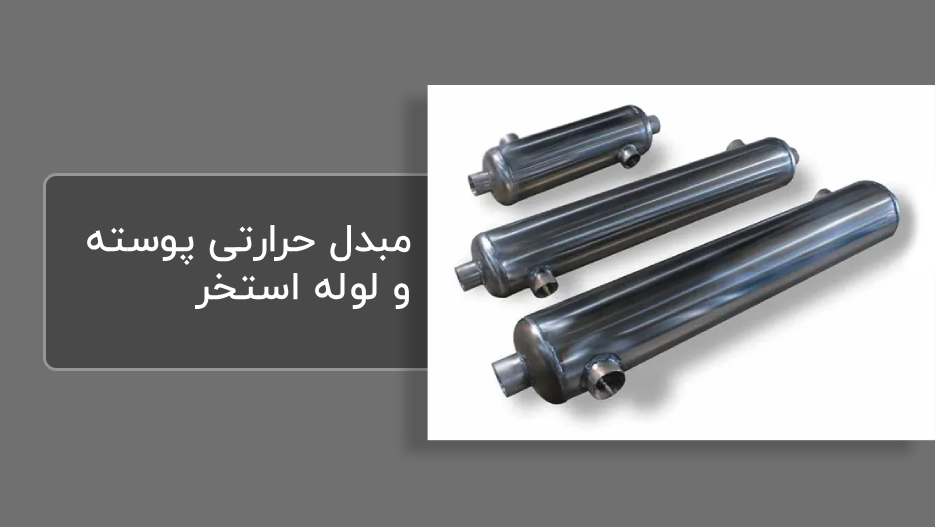
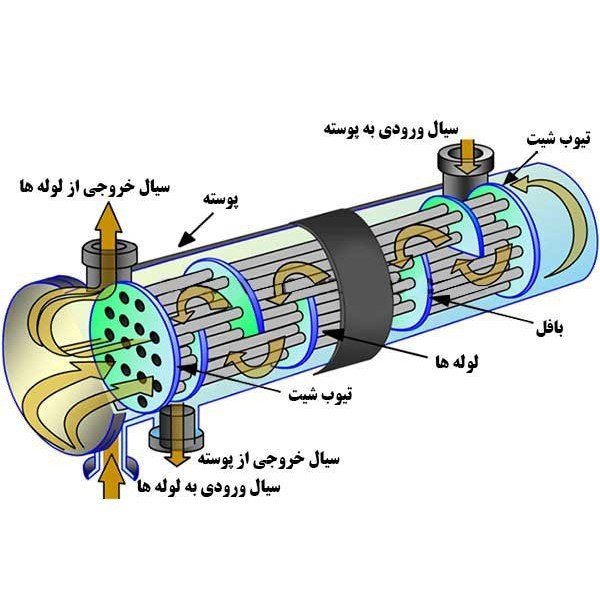
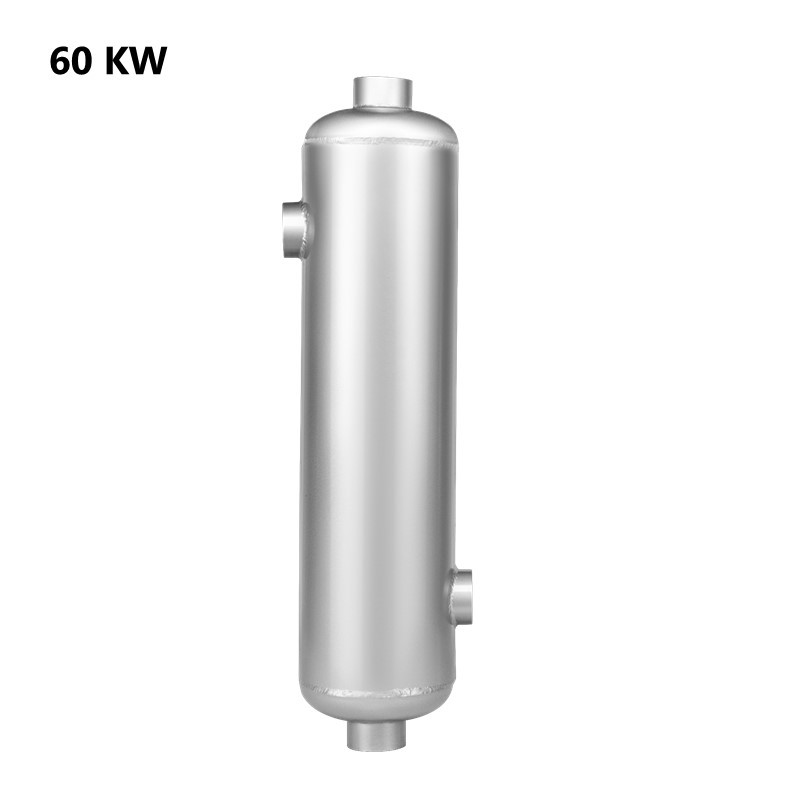
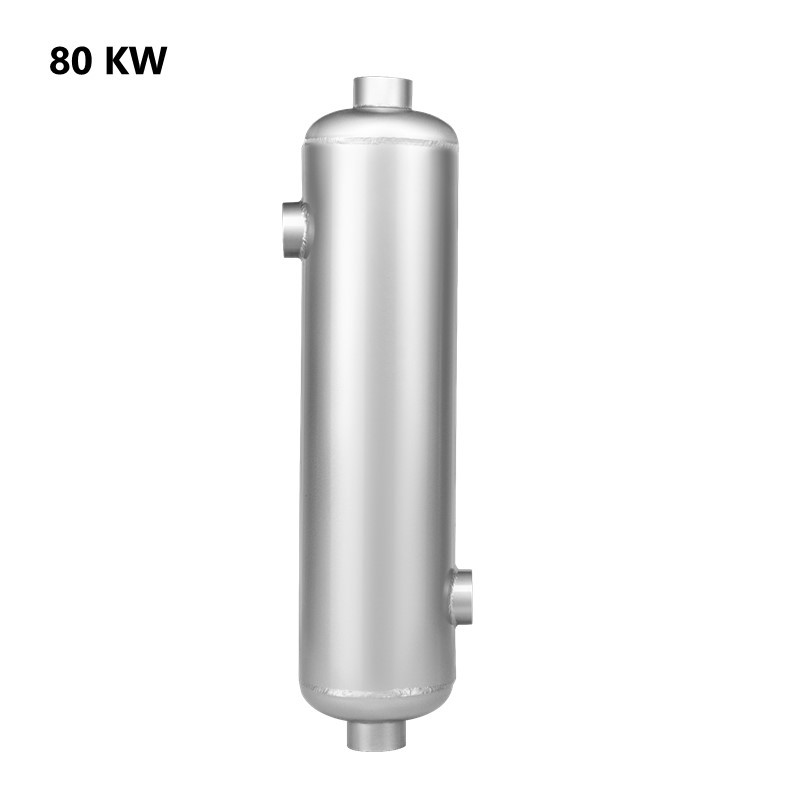
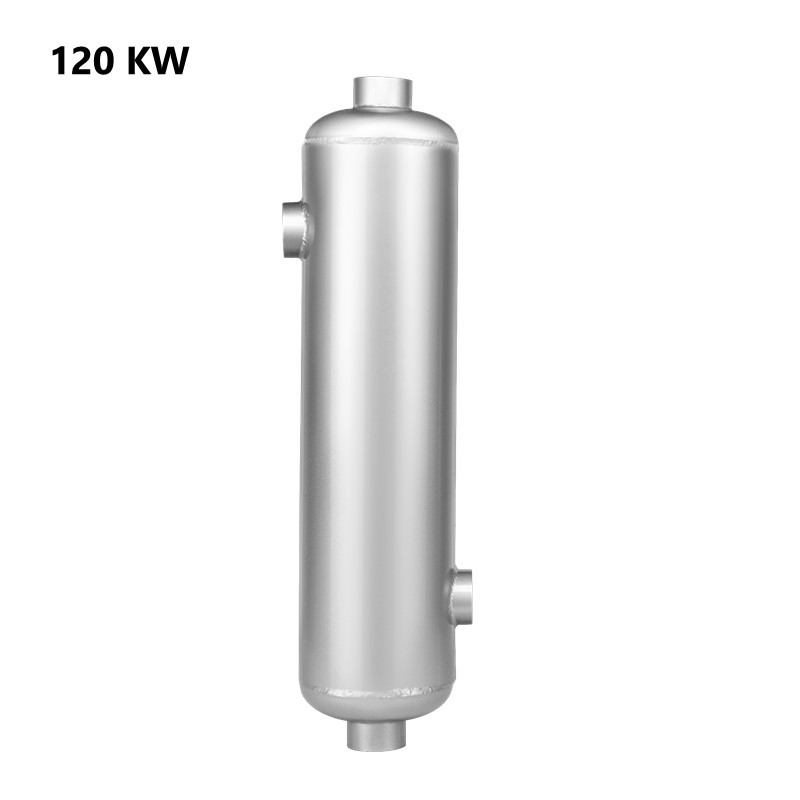
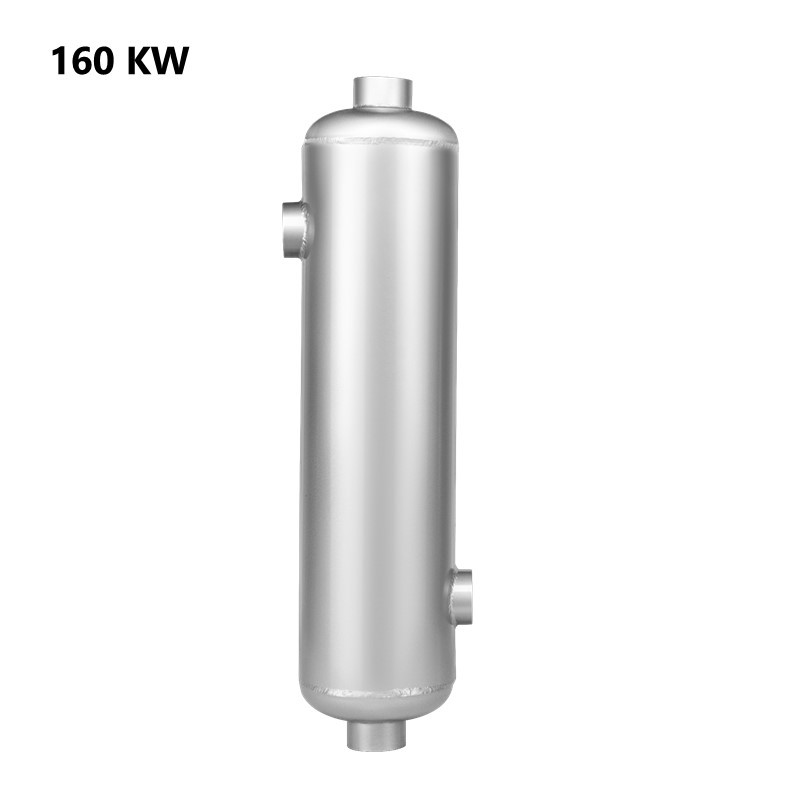
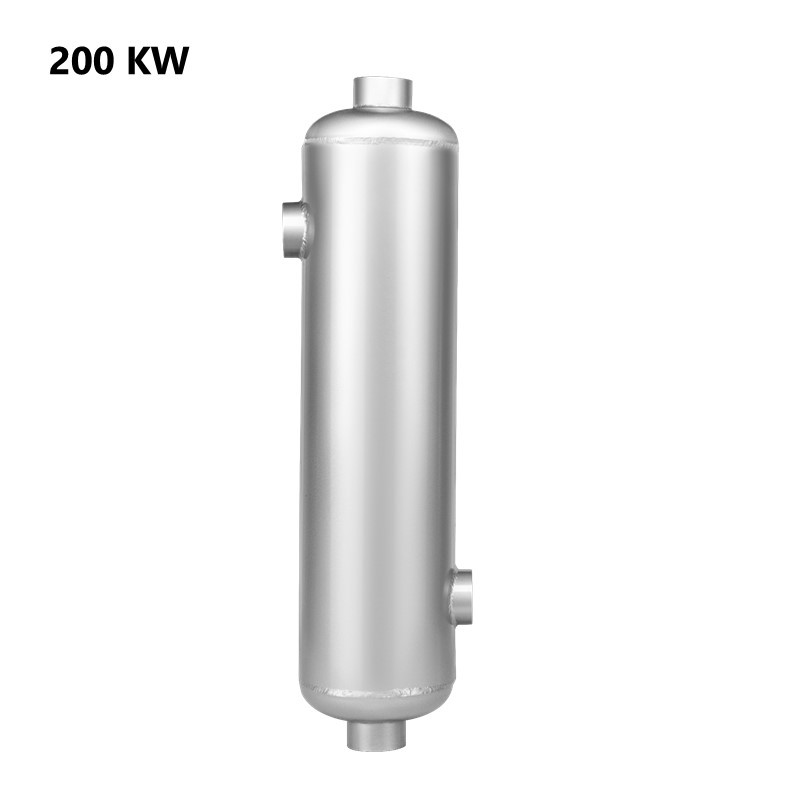
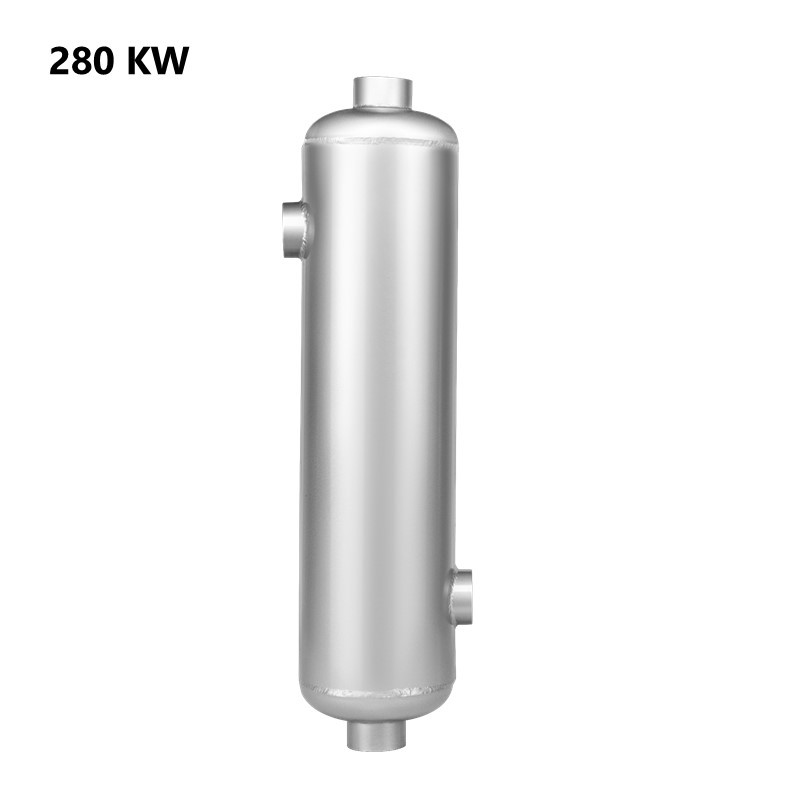
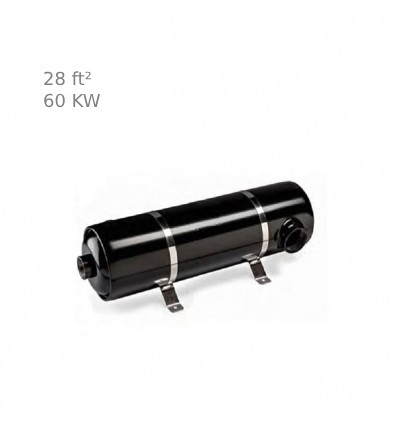
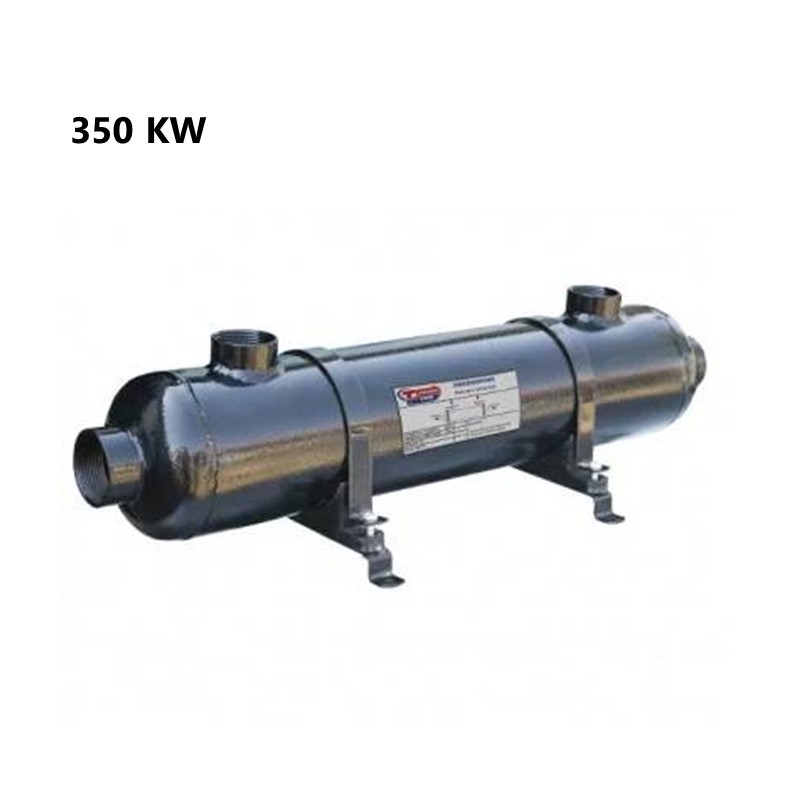
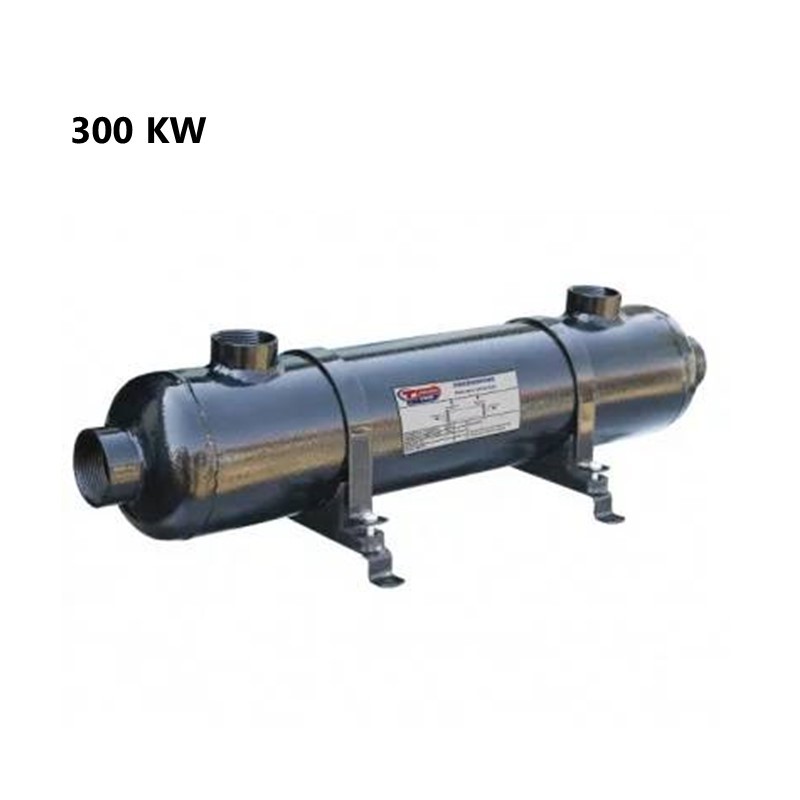
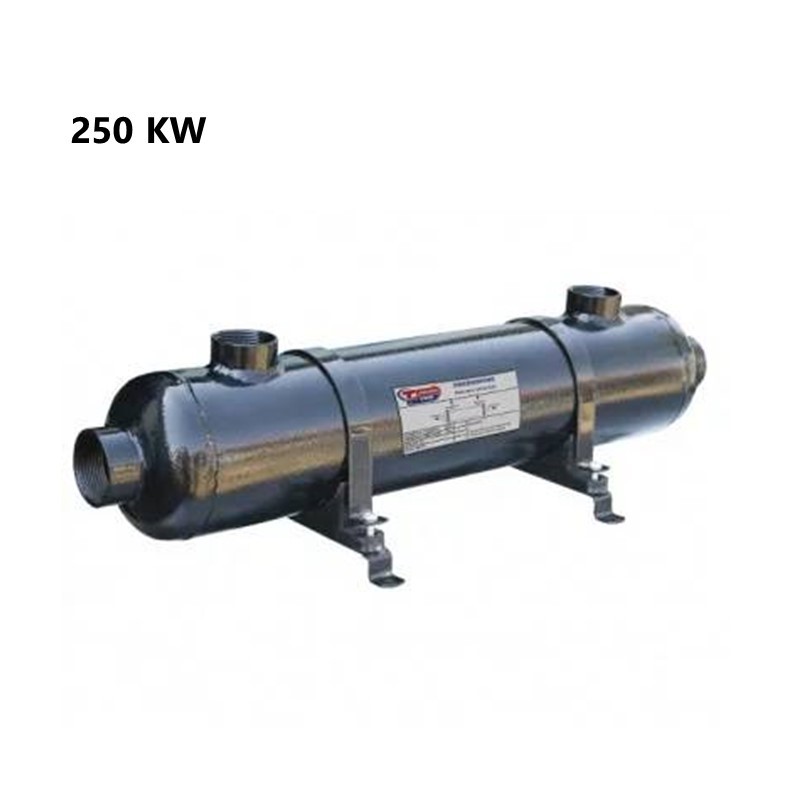
مبدل حرارتی پوسته و لوله یکی از پرکاربردترین تجهیزات برای گرمکردن آب استخر است، زیرا توان انتقال حرارت بالا، مقاومت مناسب در برابر رسوب و فشار، و سازگاری کامل با سیستمهای گرمایش موتورخانه را دارد. این مبدل از یک پوسته استوانهای و مجموعهای از لولهها تشکیل میشود.
در کاربرد استخر معمولاً آب گرم بویلر یا پکیج داخل لولهها (Tube Side) جریان پیدا میکند و آب سرد استخر از داخل پوسته (Shell Side) عبور میکند تا تبادل حرارت با بیشترین بازده انجام شود. علت این انتخاب، دبی بالای پمپ تصفیه استخر و نیاز به افت فشار کم در سمت پوسته است.
لولهها وظیفه اصلی انتقال حرارت را بر عهده دارند و بهعنوان جداکننده دو سیال عمل میکنند. در استخرهای معمولی، لولهها اغلب از جنس مس یا استیل ۳۰۴/۳۱۶ انتخاب میشوند، اما در استخرهای آبشور یا سیستمهای کلرزن نمکی حتماً باید از تیتانیوم استفاده شود تا از خوردگی جلوگیری گردد.
در سمت پوسته، استفاده از بافلها باعث میشود آب استخر بهصورت متقاطع و یکنواخت بین لولهها حرکت کند و با ایجاد جریان آشفته (Turbulent Flow)، انتقال حرارت بالا برود. همچنین بافلها به ثابت نگهداشتن دسته لولهها کمک کرده و از لرزش ناشی از جریان جلوگیری میکنند.
پوسته معمولاً از فولاد یا استیل ساخته میشود و روی آن اتصالات ضروری مانند ورودی و خروجی آب استخر، محل سنسور دما، شیر اطمینان و شیر تخلیه تعبیه میشود. ضخامت پوسته بر اساس فشار کاری سیستم انتخاب میشود و باید در برابر تغییرات دما و فشار استخر مقاومت کافی داشته باشد.
بهطور خلاصه، مبدل حرارتی پوسته و لوله از نظر دوام، توان گرمایش و سازگاری با دبی بالای آب استخر، بهترین گزینه برای استخرهای خانگی و عمومی است و دلیل اصلی استفاده گسترده از آن همین ویژگیهاست.
انتخاب نوع مناسب مبدل حرارتی استخر بر اساس ظرفیت استخر، حجم آب، نوع استفاده و شرایط محیطی قیمت مبدل حرارتی استخر، انجام میشود. هر نوع مبدل ویژگیها و مزایای خاص خود را دارد، اما همه آنها با هدف اصلی انتقال مؤثر گرما به آب استخر بدون تماس مستقیم سیالات طراحی شدهاند.
استفاده از مبدل حرارتی مناسب باعث ثبات دمای آب، کاهش مصرف انرژی و افزایش عمر سایر تجهیزات استخر میشود و تجربه استفاده از استخر را بهبود میبخشد.
7 نکته مهم برای انتخاب و خرید مبدل حرارتی استخر
اگر قصد انتخاب و خرید مبدل حرارتی استخر را دارید، باید مواردی را بررسی کنید که مستقیماً روی سرعت گرم شدن آب، طول عمر دستگاه و هزینههای نگهداری آن تأثیر میگذارند. انتخاب صحیح نوع و ظرفیت مناسب مبدل حرارتی استخر باعث میشود سیستم گرمایش استخر شما پایدار، کمهزینه و کاملاً سازگار با شرایط بهره برداری باشد.
- .ظرفیت گرمایشی مبدل (BTU): ظرفیت گرمایشی مبدل باید متناسب با حجم آب استخر شما باشد. برای استخرهای بزرگ، مبدل با ظرفیت بالاتر مورد نیاز است. ظرفیت تبادل حرارت در هر مبدل حرارتی ارتباط مستقیمی با سطح تبادل حرارتی مبدل دارد. هر چه سطح تبادل حرارت بیشتر باشد ظرفیت آن برای گرمایش بیشتر وسریع تر است.
ولی بعنوان یک براورد تجربی برای نتخاب ظرفیت مبدل حرارتی استخر یا جکوزی می توانید به ازاء هر مترمکعب آب استخر یک فوت مربع سطح حرارتی مبدل مورد نیاز را در نظر بگیرید.( مثلا برای استخر با حجم 60 متر مکعب به مبدل حرارتی 60 فوت مربع نیاز خواهید داشت)
- جنس مبدل: انتخاب جنس مناسب بسیار مهم است. مبدلهای استیل ضدزنگ یا تیتانیومی مقاومت بالایی در برابر کلر و مواد شیمیایی موجود در آب استخر دارند. که البته از نظر هزینه وقیمت خرید اولیه گران تر است. ولی معمولا انتخاب مبدل حرارتی پوسته لوله با لوله های مسی رایج ترین انتخاب است.
- سازگاری با منبع گرمایی: اطمینان حاصل کنید که مبدل حرارتی شما با منبع گرمایی (دیگ آبگرم، پکیج یا انرژی خورشیدی) سازگار است. معمولا مبدل های حرارتی که برای گرمایش آب در استخر و جکوزی ها مورد استفاده قرار میگیرند از نوع مبدل حرارتی پوسته و لوله (shell & tube heat exchanger) هستند.
- مصرف انرژی : مدلی را انتخاب کنید که دارای راندمان انرژی بالا باشند تا در مصرف سوخت یا برق صرفهجویی شود. ( لوله های مسی یا استیل)
- سرعت جریان بالا: برای جلوگیری از تجمع رسوبات و کاهش نیاز به شستوشوی ، بهتر است مبدل حرارتی پوسته لوله با سرعت جریان بالا را انتخاب کنید. جریان مناسب باعث میشود رسوبات کربناتی آب در سیستم باقی نمانند و دستگاه عملکرد پایدارتری در تبادل حرارت داشته باشد.
- نرخ جریان: هنگام خرید مبدل حرارتی استخر، علاوه بر توجه به نوع و سطح حرارتی مبدل، نرخ جریان آب را فراموش نکنید. افزایش قدرت پمپ سیرکولاتور وافزایش دبی عبوری آب از مبدل باعث میشود گرمای بیشتری منتقل شود و آب در مدت زمان کوتاهتری گرم گردد. ایجاد جریان بیشتر توسط پمپ موجب کاهش زمان انتظار گرمایش گردیده درصورت سرعت پایین جریان آب، انرژی گرماییبصورت سریع از مبدل عبور نمیکند و سرعت گرمایش آب استخر کاهش مییابد.
کاربرد مبدل استخری
این دستگاه، مبدل حرارتی استخر یکی از تجهیزات کلیدی سیستمهای گرمایش استخر است که وظیفه انتقال حرارت بین دو سیال بدون تماس مستقیم آنها را بر عهده دارد. استفاده از این دستگاه، علاوه بر تأمین دمای مناسب آب، نقش مهمی در بهینهسازی انرژی، محافظت از تجهیزات و بهبود تجربه شناگران دارد.
۱. گرمایش یکنواخت آب استخر
مهمترین کاربرد مبدل حرارتی، ایجاد و حفظ دمای مناسب آب استخر است. اختلاف دما بین آب گرم منابع حرارتی مانند دیگ موتورخانه، بویلر یا سیستمهای خورشیدی و آب استخر باعث انتقال حرارت میشود. طراحی مبدل به گونهای است که آب استخر بهطور یکنواخت و بدون نوسان دمایی گرم میشود. این ویژگی به ویژه در استخرهای سرپوشیده و باشگاههای بزرگ اهمیت دارد، چرا که تغییرات ناگهانی دما میتواند سلامت شناگران و تجهیزات را تحت تأثیر قرار دهد.
۲. محافظت و افزایش طول عمر تجهیزات
گرمایش غیرمستقیم از طریق مبدل حرارتی باعث کاهش فشار حرارتی و شوک دمایی به سایر تجهیزات استخر مانند پمپ، فیلتر، جکوزی و سیستم تصفیه آب میشود. این امر نه تنها کارایی تجهیزات را افزایش میدهد بلکه طول عمر آنها را به طور قابل توجهی بالا میبرد.
۳. صرفهجویی انرژی و بهینهسازی مصرف منابع
مبدلهای حرارتی با بهرهگیری از اختلاف دمای دو سیال، گرما را بهصورت کاملاً بهینه منتقل میکنند. این فرآیند باعث کاهش مصرف انرژی مستقیم برای گرم کردن آب و در نتیجه کاهش هزینههای بهرهبرداری میشود. سیستمهای مدرن مبدل حرارتی میتوانند با تنظیم دقیق دما و جریان، انرژی را به حداقل مصرف برسانند و راندمان سیستم را به حداکثر برسانند.
۴. کنترل دقیق دما و راحتی شناگران
یکی از مزایای کلیدی مبدل حرارتی، امکان کنترل دقیق دمای آب است. دمای یکنواخت آب باعث راحتی و رضایت شناگران میشود و از ایجاد نقاط سرد یا گرم در استخر جلوگیری میکند. این ویژگی به ویژه در استخرهای تفریحی و درمانی اهمیت ویژهای دارد، چرا که دمای نامطلوب میتواند منجر به آسیبهای جسمی یا کاهش کیفیت تجربه شناگران شود.
۵. انعطافپذیری و سازگاری با منابع مختلف انرژی
مبدل حرارتی استخر میتواند با منابع مختلف گرمایشی کار کند:
- دیگ موتورخانه یا بویلر: منبع گرمای ثابت و قابل اطمینان برای استخرهای بزرگ و عمومی
- سیستمهای خورشیدی: بهرهگیری از انرژی تجدیدپذیر برای کاهش مصرف انرژی
- سیستمهای الکتریکی و گازی: امکان کنترل سریع و دقیق دمای آب
۶. کاربردهای ویژه در استخرهای مختلف
- استخرهای سرپوشیده: جلوگیری از نوسانات دما و افزایش راندمان حرارتی
- استخرهای سر باز: کاهش مصرف انرژی و کنترل دمای آب در روزهای سرد
- جکوزی و استخرهای ویلایی: فراهم کردن تجربه لوکس و راحت برای کاربران
مبدل حرارتی استخر نهتنها وظیفه گرمایش آب را بر عهده دارد، بلکه با کنترل دقیق دما، بهینهسازی مصرف انرژی و حفاظت از تجهیزات، یکی از حیاتیترین اجزای سیستم استخر محسوب میشود. استفاده صحیح از مبدل حرارتی باعث افزایش راحتی و ایمنی شناگران، کاهش هزینههای انرژی و افزایش طول عمر سایر تجهیزات استخر می شود.
طرز کار مبدل حرارتی استخر
مبدل حرارتی استخر دستگاهی است که برای انتقال حرارت از یک سیال گرم به آب استخر بدون تماس مستقیم بین دو سیال طراحی شده است. اساس عملکرد مبدل بر اختلاف دما بین دو سیال بنا شده است؛ سیالی که گرم است، انرژی حرارتی خود را از طریق جداره مبدل به سیال سردتر، یعنی آب استخر، منتقل میکند.
مراحل و فرآیند کار مبدل حرارتی
فرآیند کار مبدل حرارتی استخر شامل چند مرحله کلیدی است که باعث انتقال مؤثر گرما بین سیال گرم و آب استخر بدون تماس مستقیم میشود:
۱. ورود سیال گرم
آب گرم تولیدشده توسط بویلر، دیگ موتورخانه یا سایر منابع حرارتی وارد مسیر مخصوص سیال گرم در مبدل میشود. این مسیر به گونهای طراحی شده است که جریان سیال گرم با سرعت و فشار مناسب حرکت کند و انتقال حرارت بهینهای داشته باشد. سیال گرم حاوی انرژی حرارتی لازم برای گرم کردن آب استخر است و آماده انتقال گرما از طریق جداره مبدل میشود.
۲. ورود آب استخر
آب استخر از مسیر مجزای خود عبور میکند، به گونهای که هیچ تماس مستقیم با سیال گرم ندارد. این جداسازی موجب میشود که آب استخر بدون اختلاط یا تغییر ترکیب شیمیایی، انرژی حرارتی را دریافت کند. جریان آب استخر معمولاً به گونهای تنظیم میشود که یکنواختی دما در کل استخر حفظ شود و از ایجاد نقاط سرد یا گرم جلوگیری گردد.
۳. انتقال حرارت
جداره مبدل که از جنس مقاوم به خوردگی مانند استیل ضدزنگ، مس یا تیتانیوم ساخته شده، نقش کلیدی در انتقال حرارت دارد. گرمای سیال گرم از طریق این جداره به آب استخر منتقل میشود. طراحی مهندسی شده جداره و مسیرهای عبور سیالها باعث میشود راندمان انتقال حرارت حداکثری باشد و آب استخر سریعاً به دمای مطلوب برسد، بدون آنکه کیفیت یا ترکیب شیمیایی آن تغییر کند.
۴. خروج سیالها
پس از انتقال حرارت، هر دو سیال از مبدل خارج میشوند. آب استخر گرم شده و آماده استفاده است، در حالی که سیال گرم منبع حرارتی، انرژی خود را تا حد لازم به آب استخر منتقل کرده و میتواند برای چرخه بعدی آماده شود. این فرآیند باعث میشود دمای آب استخر به صورت پایدار، یکنواخت و کنترلشده حفظ شود و عملکرد سیستم گرمایشی بهینه باقی بماند.
دمـاتجهیـز؛ راهنمای تخصصی و مهندسی تامین تجهیزات تهویه و تاسیسات (از سال ۱۳۸۳)
نکات عملکرد مبدل حرارتی استخر
برای عملکرد بهینه مبدل حرارتی استخر، رعایت چند نکته فنی کلیدی ضروری است. این نکات نه تنها باعث افزایش راندمان انتقال حرارت میشوند، بلکه طول عمر مبدل و سایر تجهیزات استخر را نیز بهبود میبخشند.
۱. جریان متقابل یا همجهت
در بسیاری از مبدلهای حرارتی، جریان دو سیال میتواند به دو صورت حرکت کند: جریان همجهت یا متقابل (Counterflow). در حالت جریان متقابل، سیال گرم و سیال سرد در جهت مخالف هم حرکت میکنند، که باعث افزایش اختلاف دما در طول مسیر و در نتیجه افزایش راندمان انتقال حرارت میشود. این نوع طراحی به ویژه در استخرهای بزرگ و سیستمهای با مصرف بالای انرژی اهمیت زیادی دارد، زیرا انرژی حرارتی سیال گرم بهطور کاملتر و کارآمدتر به آب استخر منتقل میشود.
۲. سطح تماس بالا
طراحی صفحات یا لولههای مبدل حرارتی به گونهای است که حداکثر سطح تماس بین دو سیال فراهم شود. افزایش سطح تماس باعث میشود گرما سریعتر و یکنواختتر منتقل شود و دمای آب استخر سریعاً به میزان مطلوب برسد. در مبدلهای صفحهای، استفاده از صفحات موجدار و نازک، و در مبدلهای لولهای، افزایش تعداد و طول لولهها، به این هدف کمک میکند. طراحی هوشمندانه سطح تماس، علاوه بر افزایش راندمان، باعث صرفهجویی در انرژی و کاهش هزینههای عملیاتی نیز میشود.
۳. کنترل دقیق دما و جریان
برای حفظ دمای یکنواخت و مناسب آب استخر، استفاده از شیرهای تنظیم جریان، ترموستاتها و سنسورهای دقیق ضروری است. این تجهیزات امکان کنترل دقیق دما و جریان آب استخر را فراهم میکنند و از نوسانات حرارتی ناخواسته جلوگیری میکنند. کنترل دقیق دما نه تنها راحتی و ایمنی شناگران را افزایش میدهد، بلکه از فشار اضافی و شوک حرارتی به پمپ، فیلتر و سایر تجهیزات استخر جلوگیری میکند و باعث طول عمر بالای کل سیستم میشود.
۴. مقاومت در برابر خوردگی
آب استخر به دلیل وجود کلر و سایر مواد شیمیایی، میتواند باعث خوردگی و فرسایش جداره مبدل حرارتی شود. به همین دلیل، استفاده از مواد مقاوم به خوردگی مانند استیل ضدزنگ، مس و تیتانیوم بسیار مهم است. مقاومت بالا در برابر خوردگی باعث افزایش طول عمر مبدل و کاهش نیاز به تعمیر و نگهداری مکرر میشود و در نتیجه هزینههای عملیاتی کاهش پیدا میکند.
۵. نگهداری و نظارت منظم
علاوه بر طراحی و انتخاب مواد مناسب، نگهداری و بررسی دورهای مبدل از اهمیت بالایی برخوردار است. رسوبگیری، گرفتگی مسیرها یا آسیب جدارهها میتواند عملکرد مبدل را کاهش دهد. با پاکسازی منظم، بررسی سلامت شیرها و سنسورها، و تنظیم دورهای جریان و دما، میتوان راندمان انتقال حرارت را در سطح حداکثری نگه داشت.
با طرز کار مبدل حرارتی، آب استخر به صورت یکنواخت و سریع گرم میشود، بدون آنکه سیالات با هم ترکیب شوند. این فرآیند باعث کنترل دمای دقیق، صرفهجویی انرژی و حفاظت از تجهیزات جانبی استخر میشود.
دمـاتجهیـز؛ هـــزاران محصـول برای هـــزاران پــروژه مهندسی و صنعتی (از سال 1383)
محاسبه صحیح ظرفیت حرارتی مبدل استخر
انتخاب و نصب مبدل حرارتی مناسب برای استخر نیازمند محاسبه دقیق ظرفیت حرارتی آن است. این محاسبه اهمیت بالایی دارد، زیرا اگر ظرفیت مبدل کمتر از نیاز واقعی باشد، آب استخر به دمای مطلوب نمیرسد و در صورت انتخاب مبدل با ظرفیت بیش از حد، هزینههای اولیه و مصرف انرژی افزایش مییابد.
عوامل مؤثر در محاسبه ظرفیت حرارتی
- حجم آب استخر
حجم کل آب استخر (مترمکعب) اولین و مهمترین عامل در محاسبه ظرفیت حرارتی است. هرچه حجم آب بیشتر باشد، انرژی بیشتری برای رسیدن به دمای مطلوب نیاز است. - تفاوت دمای مورد نظر
تعیین دمای فعلی آب استخر و دمای هدف برای گرمایش اهمیت دارد. ظرفیت حرارتی مبدل باید بتواند این اختلاف دما را در زمان معین جبران کند. - زمان مورد نیاز برای گرمایش
مدت زمانی که انتظار میرود آب استخر به دمای مطلوب برسد نیز در محاسبه ظرفیت مبدل مؤثر است. گرمایش سریعتر نیازمند مبدل با ظرفیت حرارتی بالاتر است. - ضریب انتقال حرارت مبدل
راندمان مبدل و جنس آن، سطح تماس بین سیال گرم و آب استخر و نوع جریان (همجهت یا متقابل) در تعیین ظرفیت واقعی نقش دارد.
فرمول برآورد ظرفیت مبدل حرارتی استخر
روش اول : برآورد ظرفیت مبدل حرارتی استخر به صورت سرانگشتی به این صورت است که به ازای هر متر مکعب حجم آب استخر سرپوشیده 1600 کیلوکالری و برای هر متر مکعب حجم آب استخر روباز بین 1800 تا 2000 کیلوکالری در ساعت در نظر بگیرید.
مثلا استخری با ابعاد ۱.۵×۸×۶ را در نظر بگیرید که حجم استخر معادل ۷۲ متر مکعب خواهد شد.
اگر این استخر سر پوشیده باشد 1600*72=115,200 kcal
اگر استخر رو باز باشد 2000*72=144,000 kcal
اکنون برای تبدیل واحد کیلو کالری به کیلووات عدد به دست آمده را بر ۸۶۰ تقسیم کرده تا ظرفیت به کیلووات به دست آید.
115.200/860 = 134 kw
144.000/860 = 167 kw
سپس برای بدست آوردن فوت مبدل استخر عدد حاصل را کافی است تقسیم بر ۲ کنیم.
فوت مبدل 134/2 = 67
فوت مبدل 167/2 = 84
حال با توجه به اعداد بدست آمده نزدیکترین ظرفیت استاندارد فوت مبدل موجود را می توان انتخاب کرد.
روش دوم : فرمول ساده برآورد ظرفیت مبدل حرارتی استخر (بر حسب فوت)
A=V×0.9
که در آن:
A = سطح مبدل حرارتی (فوت مربع)
V = حجم استخر (مترمکعب)
مثال
برای استخر ۶۰ مترمکعبی:
60*0.9= 54
(ضریب ۰٫۹ یک ضریب تجربی (Practical Conversion Factor) است که در صنعت استخر برای تبدیل حجم استخر مترمکعب → فوت مبدل حرارتی در مبدلهای پوستهولوله استفاده میشود.)
بنابراین برای استخر ۶۰ مترمکعبی حداقل مبدل حرارتی با ظرفیت ۵۴ فوت مورد نیاز است.
نکات عملی در انتخاب ظرفیت
- همیشه بهتر است مقداری حاشیه ایمنی برای افزایش ظرفیت در نظر گرفته شود تا در شرایط خاص، گرمایش آب کافی باشد.
- مبدل باید با پمپ و سیستم تصفیه استخر هماهنگ باشد تا جریان آب و انتقال حرارت بهینه باشد.
- برای استخرهای سرپوشیده، سر باز، جکوزی یا استخرهای عمومی، ظرفیت مبدل باید مطابق حجم و نوع استفاده انتخاب شود.
دمـاتجهیـز؛ مرکز تخصصی تامیـن تجهیـزات تهویـه و تاسیسـات (از سـال ۱۳۸۳)
نکات عملی در انتخاب ظرفیت مبدل حرارتی استخر
انتخاب ظرفیت مناسب مبدل حرارتی برای استخر، یک گام کلیدی در طراحی و بهرهبرداری بهینه سیستم گرمایشی است. رعایت نکات عملی در این مرحله باعث میشود مبدل بتواند آب استخر را به دمای مطلوب برساند، مصرف انرژی را کاهش دهد و طول عمر تجهیزات جانبی را افزایش دهد.
۱. در نظر گرفتن حاشیه ایمنی
همیشه توصیه میشود در محاسبه ظرفیت مبدل، مقداری حاشیه ایمنی در نظر گرفته شود. دلیل این امر، تغییرات شرایط محیطی، دمای اولیه آب، نرخ تبخیر و استفاده ناگهانی از استخر است. این حاشیه ایمنی تضمین میکند که حتی در شرایط ویژه یا دمای سرد محیط، گرمایش آب کافی و یکنواخت باقی بماند و شناگران تجربه راحتی داشته باشند.
۲. هماهنگی با سایر تجهیزات
مبدل حرارتی باید با پمپها، فیلترها و سیستم تصفیه آب استخر هماهنگ باشد. جریان آب از پمپ به مبدل و سپس بازگشت به استخر باید به گونهای تنظیم شود که انتقال حرارت حداکثری و بدون فشار اضافی انجام شود. عدم هماهنگی بین مبدل و پمپ میتواند باعث کاهش راندمان، نوسانات دمایی و حتی آسیب به تجهیزات شود.
۳. تطبیق با نوع استخر
ظرفیت مبدل حرارتی باید بر اساس نوع استخر و حجم آب آن انتخاب شود:
- استخرهای سرپوشیده: به دلیل محدود بودن فضای تبادل حرارت و کاهش هدررفت انرژی، مبدل با ظرفیت متوسط تا بالا توصیه میشود.
- استخرهای سر باز: در این استخرها تبخیر آب و تأثیر دمای محیط در گرمایش اهمیت دارد، بنابراین ظرفیت مبدل باید بالاتر در نظر گرفته شود.
- جکوزیها و استخرهای ویلایی: حجم کم آب باعث میشود نیاز به مبدل با ظرفیت متوسط باشد، اما دقت در کنترل دما اهمیت زیادی دارد.
- استخرهای عمومی و باشگاهی: به دلیل حجم زیاد و استفاده مداوم، مبدل باید با ظرفیت بالا و حاشیه ایمنی مناسب انتخاب شود تا گرمایش یکنواخت و دائمی تضمین شود.
۴. توجه به زمان مورد نیاز برای گرمایش
مبدل حرارتی باید توانایی گرم کردن آب استخر در زمان مناسب را داشته باشد. برای مثال، اگر هدف این است که آب استخر ظرف چند ساعت به دمای مطلوب برسد، ظرفیت مبدل باید متناسب با حجم آب و اختلاف دمای مورد نظر محاسبه شود.
۵. مواد و طراحی مبدل
جنس و طراحی مبدل نیز در انتخاب ظرفیت مؤثر است. مبدلهای با سطح تماس بیشتر و مواد مقاوم به خوردگی مانند استیل ضدزنگ یا تیتانیوم، توانایی انتقال حرارت بالاتری دارند و میتوانند ظرفیت واقعی بیشتری ارائه دهند بدون افزایش ابعاد و هزینههای اضافی.
با رعایت این نکات عملی، میتوان ظرفیت مبدل حرارتی استخر را بهینه انتخاب کرد. این انتخاب درست باعث میشود آب استخر به دمای مطلوب و یکنواخت برسد، مصرف انرژی کاهش یابد و تجهیزات جانبی دوام بیشتری داشته باشند. توجه به حاشیه ایمنی، هماهنگی با سیستمها، تطبیق با نوع استخر و طراحی مبدل، کلید موفقیت در بهرهبرداری از مبدل حرارتی است.
دمـاتجهیـز؛ بهترین قیمت ها و برندهای معتبر تجهیزات تهویه و تاسیسات (از سال ۱۳۸۳)
انواع مبدل های حرارتی پوسته و لوله
مبدلهای حرارتی پوسته و لوله به عنوان یکی از پرکاربردترین تجهیزات در سیستمهای گرمایش و تهویه استخرها، جکوزیها و تاسیسات صنعتی شناخته میشوند. این مبدلها بر اساس انتقال حرارت بین دو سیال از طریق جداره لولهها بدون تماس مستقیم آنها طراحی شدهاند، به گونهای که راندمان حرارتی بالا و پایداری دمایی برای کاربردهای مختلف فراهم شود. استفاده از مبدل حرارتی در استخرها، علاوه بر تأمین دمای مطلوب آب، باعث کاهش مصرف انرژی و افزایش عمر تجهیزات میشود، چرا که انتقال حرارت بهینه از طریق طراحی تخصصی لولهها و پوستهها امکانپذیر است.
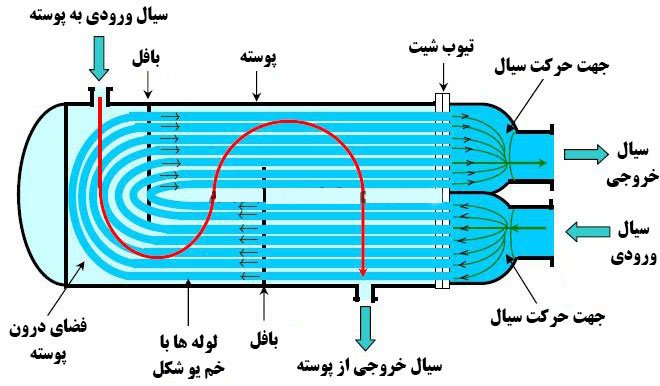
مبدل حرارتی یو شکل (U-Tube)
در مبدل حرارتی U شکل، لولهها به صورت خمیده و شکل U طراحی شدهاند و تنها یک سمت تیوب شیت در آن تعبیه شده است. یکی از سیالات، که میتواند مایع یا گاز باشد، وارد لولهها میشود و سیال دوم در پوسته جریان دارد. انتقال حرارت از طریق جداره لولهها انجام میشود و سیال ورودی پس از رسیدن به انتهای مسیر با خم ۱۸۰ درجه بازمیگردد و دوباره از سمت ورودی خارج میشود. این نوع طراحی به اصطلاح «دو پاس» نامیده میشود، زیرا سیال مسیر رفت و برگشتی را طی میکند و اختلاف دمای بیشتری بین سیال گرم و سرد ایجاد میکند.
طراحی خم U لولهها باعث میشود راندمان حرارتی بالا و توزیع یکنواخت دما در طول مبدل حاصل شود. از سوی دیگر، استفاده از تنها یک تیوب شیت باعث ساده شدن ساخت و کاهش هزینه اولیه میشود. مبدل حرارتی U شکل برای استخرهایی با فضای محدود و نیاز به گرمایش سریع و یکنواخت آب مناسب است و به دلیل طراحی خاص آن، هماهنگی کامل با سیستمهای پمپ و فیلتراسیون را فراهم میآورد.
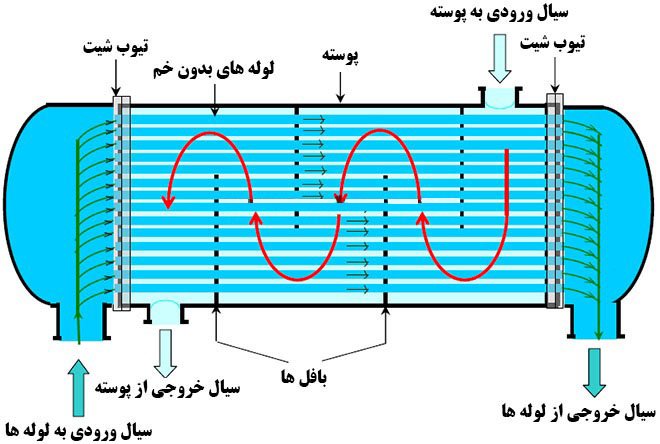
مبدل حرارتی مستقیم یک پاس (Straight One-Pass)
در مبدل یک پاس، لولهها بدون خم طراحی شدهاند و سیال از یک سمت وارد لولهها شده و به صورت مستقیم از سمت دیگر خارج میشود. در این مدل از دو تیوب شیت استفاده میشود تا مسیر جریان سیال مستقیم باشد و امکان تمیزکاری مکانیکی و نگهداری آسان فراهم شود. این طراحی برای استخرهای کوچک، جکوزیها و استخرهای ویلایی بسیار مناسب است، جایی که رسوبگیری و نیاز به نگهداری دورهای اهمیت دارد.
لولههای مستقیم باعث کاهش افت فشار سیال و تسهیل کنترل جریان آب میشوند. سطح تماس گسترده لولهها، انتقال حرارت بهینه و توزیع یکنواخت دما را تضمین میکند، بدون آنکه خمکاری مسیر جریان لازم باشد. این مبدلها قادرند با سیستمهای تصفیه و پمپ استخر هماهنگی کامل داشته باشند و گرمایش سریع و پایدار آب را در تمامی بخشهای استخر فراهم کنند.
مبدل حرارتی مستقیم دو پاس (Straight Two-Pass)
مبدل دو پاس ترکیبی از طراحی مستقیم و مسیر دو مرحلهای جریان سیال است. در این مدل، سیال از یک سمت وارد لولهها شده و پس از طی مسیر مستقیم، با چرخش ۱۸۰ درجه وارد دسته دیگری از لولهها میشود و سپس از همان سمت خروجی خارج میگردد. این طراحی باعث میشود سیال در لولهها دو مرحله انتقال حرارت را طی کند و اختلاف دما به حداکثر برسد.
به دلیل مستقیم بودن لولهها، امکان تمیزکاری مکانیکی و نگهداری آسان همچنان وجود دارد. استفاده از دو تیوب شیت در این مدل باعث میشود کنترل دقیق دما و جریان سیال ممکن باشد و توزیع حرارت در طول مبدل یکنواخت باقی بماند. مبدل دو پاس برای استخرهای عمومی، صنعتی و جکوزیهای بزرگ که نیاز به ترکیبی از راندمان حرارتی بالا و نگهداری ساده دارند، مناسبترین گزینه محسوب میشود. 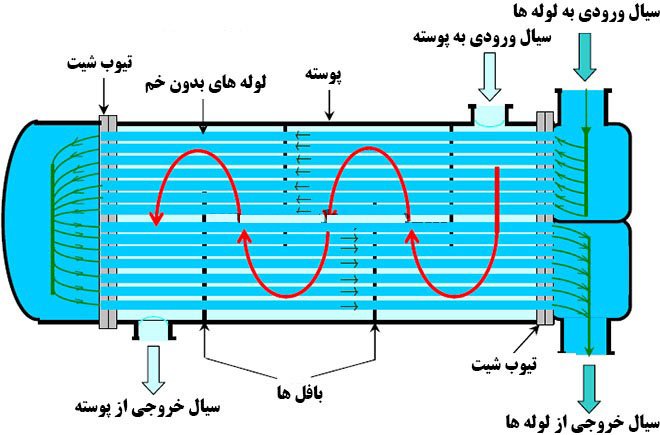
نحوه قرارگیری مبدل حرارتی در سیستم گرمایش استخر
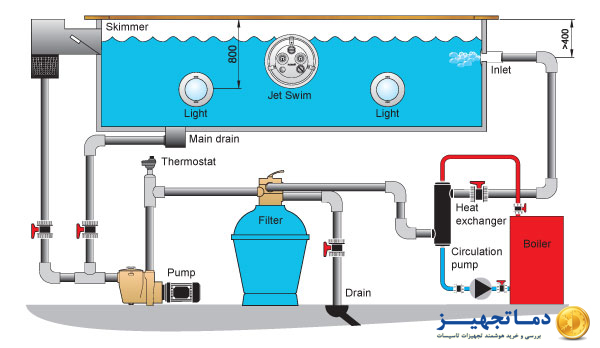
مبدل های حرارتی همچنین در سیستم های گرمایشی استخر، سونا و جکوزی نیز مورد استفاده قرار می گیرند. در تصویری که در ادامه مشاهده می فرمائید، محل قرارگیری مبدل های حرارتی به عنوان سیستم گرمایش استخر در کنار دیگر تجهیزات استخر به طور دقیق تعیین شده است.
از مبدل های حرارتی صفحه ای بدلیل جنس بدنه استیل به سادگی برای گرمایش آب استخر استفاده می کنند، اما باید دقت کرد که مبدل حرارتی بعد از فیلتر و قبل از تجهیزات ضدعفونیکننده آب استخر و جکوزی مانند کلر زن قرار گیرد.
این ترتیب باعث میشود که آب تمیز و عاری از ذرات معلق وارد مبدل شود و از ایجاد رسوب و خوردگی جلوگیری گردد، در حالی که انتقال حرارت به صورت بهینه انجام میگیرد. قرارگیری صحیح مبدل حرارتی در سیستم گرمایش استخر یکی از عوامل کلیدی برای کارایی بهینه و طول عمر تجهیزات است. مبدلهای حرارتی صفحهای، به دلیل جنس بدنه مقاوم از استیل ضدزنگ و راندمان حرارتی بالا، گزینهای ایدهآل برای گرمایش آب استخر محسوب میشوند.
با رعایت این اصول، مبدل حرارتی میتواند آب استخر را به سرعت و با کمترین افت حرارتی و مصرف انرژی گرم کند و در عین حال طول عمر سیستم گرمایش استخر را افزایش دهد.
در گروه مبدل های حرارتی مجموعه تخصصی دماتجهیز (از سال 1383) می توانید با اندکی حوصله جهت مطالعه توضیحات خلاصه و جامع ارائه شده، کالای مورد نظر خود را با مناسب ترین قیمت (تضمین بهترین قیمت ها) و اطمینان خاطر از دریافت خدمات و گارانتی اصل و معتبر به راحتی انتخاب وخریداری فرمائید.
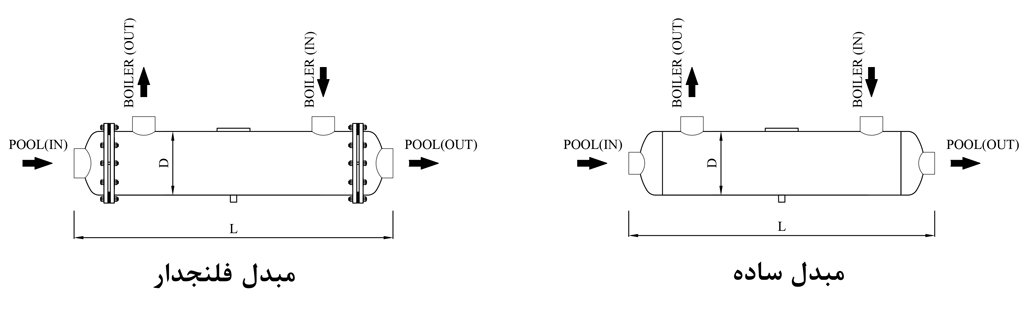
تفاوت مبدل حرارتی استخر ساده و فلنجدار
در واقع مبدلهای حرارتی استخر بسته به طراحی و نحوه اتصال سیالات به دو دسته اصلی تقسیم میشوند: مبدل حرارتی ساده و مبدل حرارتی فلنجدار. این تفاوت طراحی تأثیر مستقیم بر عملکرد، نگهداری و طول عمر تجهیزات گرمایشی استخر دارد و انتخاب درست آن برای بهرهوری انرژی و ایمنی سیستم اهمیت ویژهای دارد.
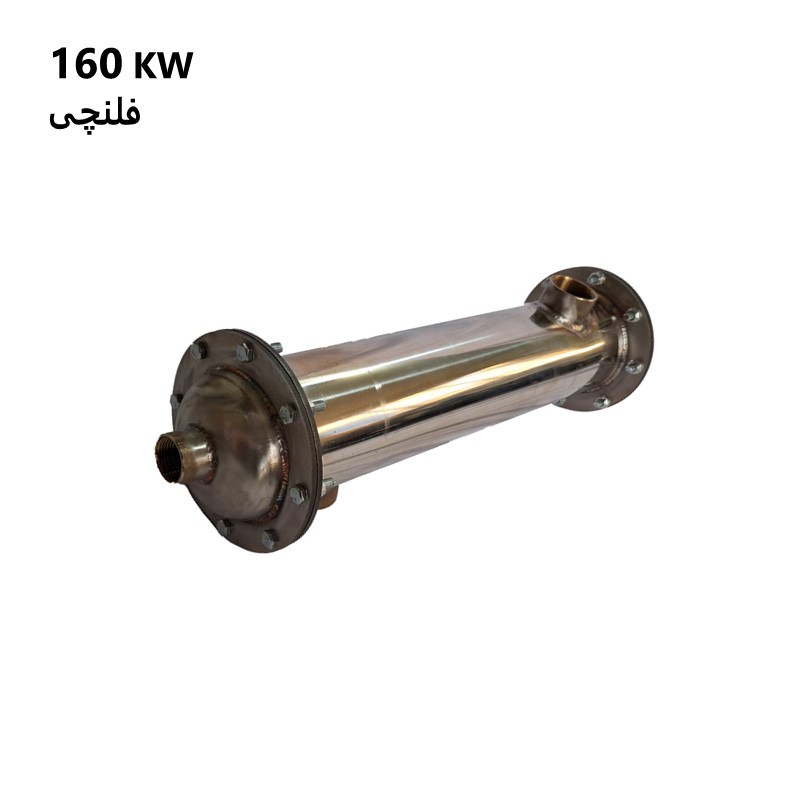
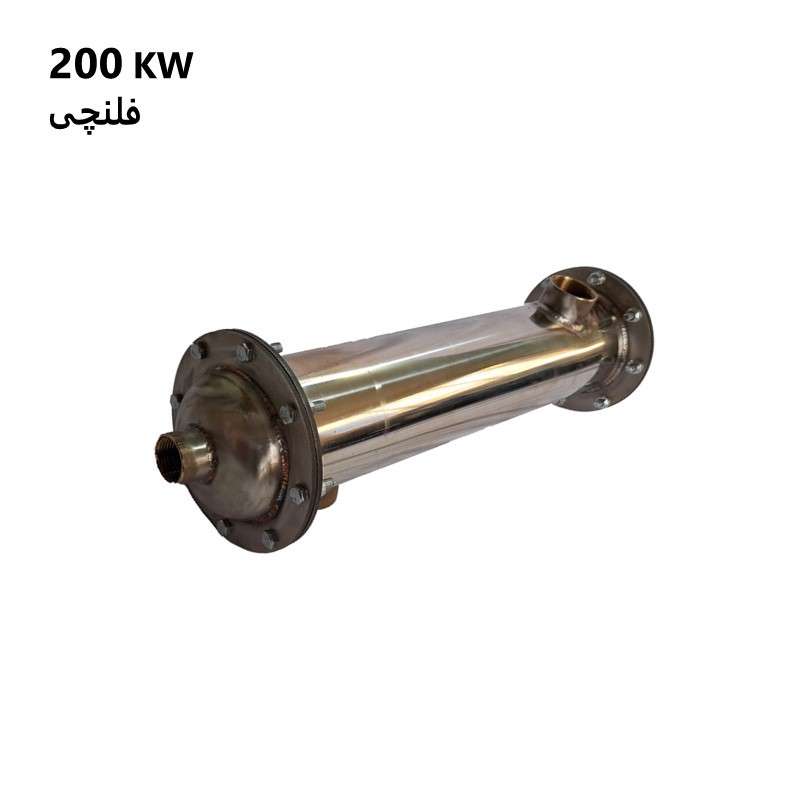
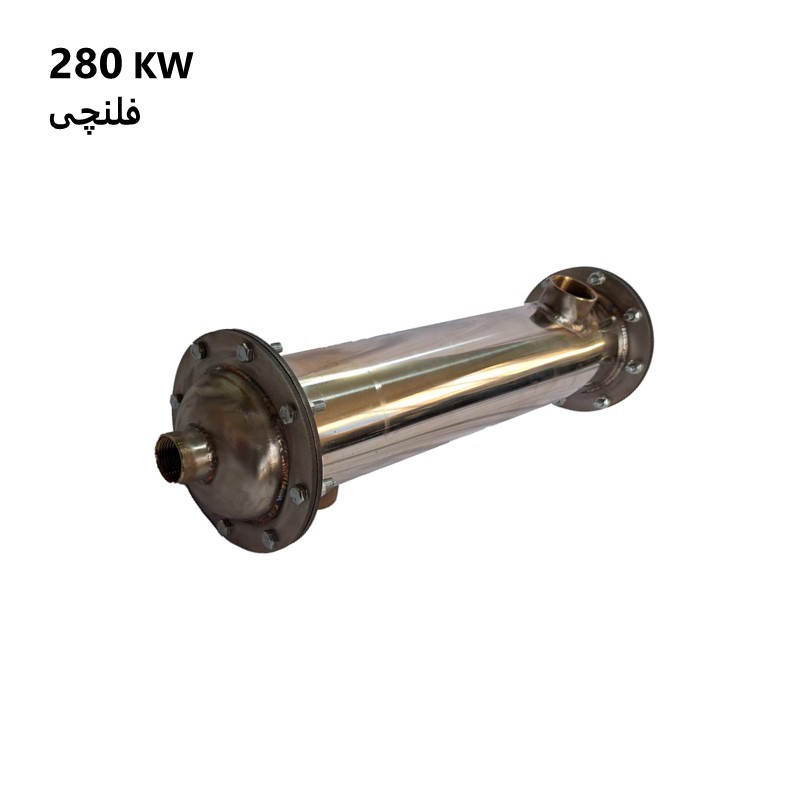
در مبدل حرارتی ساده، لولهها و پوسته به صورت ثابت و بدون اتصالات جداشونده طراحی شدهاند و مسیر عبور سیالات معمولاً از طریق جوش یا رزوه ایجاد میشود. این طراحی باعث میشود نصب آن سریع و کمهزینه باشد و برای استخرهای کوچک یا سیستمهایی با حجم آب متوسط مناسب باشد. راندمان حرارتی در این مدل به دلیل تماس مستقیم سیالات با جداره لولهها مناسب است، اما نگهداری و تمیزکاری مکانیکی محدود بوده و در صورت نیاز به تعمیر، اغلب لازم است کل مبدل از سیستم جدا شود.در مقابل، مبدل حرارتی فلنجدار با اتصالات فلنجی طراحی شده است که امکان باز و بسته کردن قطعات مبدل به راحتی فراهم میشود. این ویژگی اجازه میدهد تا تمیزکاری، بازرسی و نگهداری دورهای بدون خارج کردن کل مبدل انجام شود. مبدلهای فلنجدار برای استخرهای بزرگ، جکوزیهای عمومی و سیستمهای صنعتی مناسب هستند، جایی که حجم بالای آب و نیاز به نگهداری مکرر اهمیت دارد. طراحی فلنجی همچنین باعث میشود مبدل در برابر فشارهای کاری بالا مقاوم باشد و با انواع پمپها و تجهیزات جانبی سیستم به راحتی هماهنگ شود.
به طور خلاصه، تفاوت اصلی بین مبدل حرارتی ساده و فلنجدار در نحوه اتصال، قابلیت جداسازی قطعات، سهولت نگهداری و تطبیق با فشار کاری و حجم آب سیستم است. انتخاب نوع مناسب مبدل باید با توجه به نوع استخر، حجم آب، فشار کاری سیستم و نیاز به نگهداری دورهای انجام شود تا انتقال حرارت بهینه و طول عمر تجهیزات تضمین گردد.
خرید مبدل حرارتی استخر
جهت انتخاب و خرید مبدل حرارتی استخر مناسب علاوه بر محاسبه و تعیین ظرفیت و سطح حرارتی؛ نوع مبدل، ابعاد، جنس و فشار کار و قُطر لوله های آب رفت و برگشت نیز مهم می باشد.
شما می توانید از میان شرکت های مطرح ایرانی و خارجی معرفی شده در مجموعه دماتجهیز مانند آکوامارین و ترموپول، مبدل استخری پوسته و لوله ای مورد نیاز خود را پس از مشاوره ظرفیت با کارشناسان دماتجهیـز انتخاب نمایید.
در مجموعه تخصصی دماتجهیز، اطلاعات فنی ده ها مدل از مبدل استخر، از برندهای معتبر با گارانتی اصلی، جهت برخورداری شما عزیزان از حس خوب خرید مبدل حرارتی استخر بهینه و هوشمند ارائه گردیده است.
حتما هنگام خرید به نکاتی از قبیل روباز یا سر بسته بودن استخر و همچنین عمومی یا خصوصی بودن آن، مقدار زمان مورد نیاز جهت گرمایش آب استخر، اختلاف دما جهت افزایش دمای آب استخر و تعداد مبدل مورد نیاز، توجه نمایید.
قیمت مبدل حرارتی استخر
قیمت مبدل حرارتی استخر یکی از عوامل مهم در انتخاب و خرید این تجهیزات است و تحت تأثیر چندین عامل فنی و ساختاری قرار دارد. مهمترین عوامل مؤثر بر قیمت عبارتند از:
- ظرفیت حرارتی (سطح تبادل حرارت): هرچه ظرفیت حرارتی مبدل بیشتر باشد، توانایی انتقال حرارت بالاتر و زمان لازم برای گرم شدن آب استخر کوتاهتر خواهد بود. مبدلهای با ظرفیت بالا به دلیل نیاز به لولهها و جدارههای بزرگتر و بیشتر، قیمت بالاتری دارند.
- جنس بدنه و لولهها: مبدلهای حرارتی از جنسهای مختلفی مانند استیل ضدزنگ، تیتانیوم و مس ساخته میشوند. جنس بدنه تأثیر مستقیم بر مقاومت در برابر خوردگی، کلر و مواد شیمیایی استخر دارد. بهطور طبیعی، مبدلهای تیتانیوم به دلیل مقاومت فوقالعاده و طول عمر بیشتر، قیمت بالاتری نسبت به مدلهای استیل یا مسی دارند.
- ابعاد و وزن مبدل: اندازه مبدل حرارتی به حجم آب استخر و نحوه نصب سیستم مرتبط است. مبدلهای بزرگتر برای استخرهای عمومی یا سرپوشیده مورد استفاده قرار میگیرند و به دلیل استفاده از مواد بیشتر و ساخت پیچیدهتر، قیمت آنها بالاتر است.
- نوع و طراحی مبدل: مدلهای U شکل، یک پاس، دو پاس، ساده یا فلنجدار هر یک با ویژگیهای فنی متفاوت و طراحی خاص، قیمت متفاوتی دارند. طراحی پیچیده و قابلیت نگهداری آسانتر، معمولاً هزینه بیشتری ایجاد میکند.
- فشار کاری و قطر لولهها: مبدلهای حرارتی که توان تحمل فشار بالا و دبی زیاد آب را دارند، به دلیل نیاز به مواد با مقاومت بالاتر و طراحی مهندسی دقیقتر، قیمت بالاتری دارند. قطر لولهها نیز با افزایش سطح تماس و جریان آب، بر قیمت نهایی مبدل تأثیر میگذارد.
- برند و ضمانت محصول: مبدلهای حرارتی برندهای معتبر داخلی و خارجی با گارانتی اصلی و خدمات پس از فروش قیمت بالاتری دارند، اما امنیت و طول عمر بالاتر را تضمین میکنند.
در مجموع، قیمت مبدل حرارتی استخر باید با توجه به حجم آب استخر، نوع استخر (روباز یا سرپوشیده)، میزان استفاده، فشار کاری سیستم و بودجه خریدار انتخاب شود. مجموعه تخصصی دماتجهیز با ارائه اطلاعات فنی دهها مدل از برندهای معتبر، امکان مقایسه، انتخاب و خرید بهینه مبدل حرارتی را برای شما فراهم کرده است. تمامی قیمتها بهروز، شامل تخفیفهای ویژه و بخش تضمین بهترین قیمت هستند تا خریدی هوشمندانه و اقتصادی داشته باشید.
خرید اقساطی مبدل حرارتی استخر
برای بسیاری از صاحبان استخرهای خصوصی، عمومی و جکوزیهای بزرگ، هزینه خرید مبدل حرارتی با ظرفیت مناسب ممکن است قابل توجه باشد. به همین دلیل، امکان خرید قسطی مبدل حرارتی استخر فراهم شده است تا خریداران بتوانند تجهیزات با کیفیت و برند معتبر را بدون فشار مالی یکباره تهیه کنند.
در خرید قسطی، شما میتوانید مبدل مورد نظر خود را بر اساس ظرفیت حرارتی، جنس بدنه، نوع مبدل (U شکل، یک پاس، دو پاس)، فشار کاری و ابعاد سیستم گرمایش استخر انتخاب کنید و هزینه آن را در چند مرحله پرداخت نمایید. این روش خرید باعث میشود که نیازهای فنی استخر بهصورت کامل و بدون کاهش کیفیت تجهیزات تأمین شود.
مزیت اصلی خرید قسطی مبدل حرارتی این است که خریدار میتواند بهترین گزینه مطابق با حجم آب استخر و شرایط سیستم گرمایش را انتخاب کند، بدون آنکه محدودیت بودجه مانع از استفاده از مبدلهای با راندمان بالا شود. همچنین، این روش خرید برای استخرهای بزرگ، مجموعههای عمومی و هتلها که نیاز به تجهیزات متعدد و ظرفیت حرارتی بالا دارند، بسیار مناسب است و امکان برنامهریزی مالی دقیق را فراهم میکند.
خرید قسطی مبدل حرارتی معمولاً شامل ضمانت اصالت محصول، خدمات پس از فروش و مشاوره تخصصی کارشناسان میشود تا خریدار با اطمینان کامل، سیستم گرمایش استخر را نصب و بهرهبرداری کند. این روش خرید، به ویژه برای افرادی که قصد دارند چند مبدل برای افزایش سرعت گرمایش آب یا ایجاد گرمایش یکنواخت در استخرهای بزرگ تهیه کنند، گزینهای ایدهآل و اقتصادی است<بدل حرارتی استخر
- کاربر گرامی:
- ضمن تشکر از جنابعالی جهت اطمینانی که به نظرات فنی کارشناسان فروش دماتجهیز دارید، لازم به ذکر است اصولا تعیین و انتخاب برند محصول موردنظر براساس سابقه ، قدرت برند، خدمات و قیمت محصول نهایتا توسط خریدار تعیین می گردد. اما در زمینه مبدل حرارتی استخر، اغلب کاربران و خریداران برندهای پرفروشی مانند دماتجهیز و آکوامارین، ترموپول را با توجه به کیفیت، قیمت و خدمات بعد از فروش آنها انتخاب و خرید مینمایند.
- چنانچه پس از مطالعه مطالب ارائه شده فوق، سوالات بیشتری جهت تصمیمگیری برای خرید انواع مبدل حرارتی استخر مورد نیاز دارید، میتوانید پس از تماس با مجموعه دماتجهیز و شمارههای داخلی 103-105-106، از کارشناسان فروش بخش استخر، سونا، جکوزی مشاوره بگیرید و سوالات خود را مطرح نمایید.
"از دماتجهیز با اطمینان و خیال آسوده خرید کنید"

گواهینامـه ثبت علامت تجـاری + گواهینامـههای پروانـه کسـب از اتحادیـههای اصنـاف لوازم شوفاژ و تهویـه مطبـوع + اتحادیـه تخصصـی تولیـدکنندگان تجهیـزات تهویـه مطبـوع و شوفـاژ + اتحادیـه کسبوکارهای مجـازی

حضور دماتجهیز در نمایشگاههای بین المللی تاسیسات ساختمانی و سیستمهای سرمایشی و گرمایشی از سال 1384 تا 1387
مجموعه تخصصی دماتجهیز علاوه بر جواز کسب معتبر از اتحادیه صنف شوفاژ و تهویه مطبوع، دارای نماد اعتماد الکترونیکی بوده و فعالیت خود را از سال 1383 در دفتر مرکزی تهران آغاز نموده است.
بیشتر ببینید، بهتر انتخاب کنید

منتظر تماس و مشتاق دیدارتان در مجموعه تخصصی دمـاتجهیــز هستیم
با اشتراک گذاری متون فوق در شبکه های اجتماعی، دوستان خود را از مطالب مهم آن آگاه سازید.




دفتر مرکزی: تهران - خیابان طالقانی - بین مفتح و بهار - نبش طالبیان - ساختمان ۴۶۳
کارخانه: جاده قدیم ساوه - بعد از سه راهی آدران - شهرک صنعتی قلعه میر - خیابان رینگ کار
دماتجهیز: مرکز تخصصی و مهندسی تامین تجهیزات تهویه و تاسیسات (از سال 1383)
مجموعه دمـاتجهیـز از سال ۱۳۸۳ بهعنوان اولین و تخصصی ترین عرضه کننده تجهیزات تهویه مطبوع، تجهیزات گرمایش و موتورخانه، تاسیسات استخر، سونا، جکوزی و تجهیزات کنترل فعالیت خود را آغاز نمود. این مجموعه کامل و تخصصی با ارائه محصولات معتبر و با کیفیت بالا در 80 کتگوری و دسته بندی مرتبط، بهعنوان مرجعی قابل اعتماد برای تامین نیازهای انواع سیستمهای تهویه مطبوع و تاسیسات ساختمان در سراسر کشور ایران و حتی کشورهای خاورمیانه، عراق، ارمنستان، ازبکستان، افغانستان، آذربایجان، ترکمنستان و غرب آسیا شناخته میشود.


مبدل پوسته ولوله مسی برای آبگرم مصرفی قابل استفاده است یا نه
اگر بله برای ساختمان ۵ احدی ۱۲۰ متری چه ظرفیتی نیاز است
برای استخر 50 متر مکعب مبدل چند فوت بزارم