

دستگاه تصفيه هوا
امروزه خرید دستگاه تصفیه هوا برای حذف ذرات معلق و آلودگی در هوای شهرهای بزرگ کاملاً ضروری است. در ادامه 7 نکته مهم در انتخاب و بهترین قیمت تصفیه هوا از برندهای پرفروش و معتبر با تحویل فوری و رایگان در مجموعه دماتجهیز از سال ۱۳۸۳ ارائه میگردد.
راهنمای تخصصی انتخـاب، خرید و قیمت دستگاه تصفیه هوا
دستگاه تصفیه هوا بنحوی طراحی و تولید میشود که با بکارگیری چندین فیلتر مختلف تصفیه هوا، آلایندههای موجود در هوای محیط اعم از ذرات معلق (کوچکتر از 2.5 میکرون)، دی اکسید کربن، باکتریها و بعضی ویروسها، میکروبها، ذرات بیماری زا یا آلرژیزا، گرد و غبار، گازها و مواد شیمیایی و بوی نامطبوع را حذف کرده و هوایی تمیز و سالم را برای شما به ارمغان میآورد.
دستگاه تصفیه کننده هوا در انواع مختلف رومیزی، ایستاده، گردنی و مناسب خودرو توسط شرکتهای مختلف در مدلهای متنوع (هر یک مناسب متراژ خاصی از محیط) تولید میگردد.
هوای شهرهای بزرگی مانند تهران، اصفهان، اراک، اهواز و ... روزبهروز آلودهتر میشود که این گازها و ذرات معلق، موجب بروز عفونتهای ریوی و بیماریهای زیادی خصوصاً در کودکان، نوجوانان و افراد سالخورده میشود. بدین دلیل خطرات ناشی از آن باعث شده تا ساکنین شهرها، بدنبال راهحلی برای درامان ماندن از خطرات آلودگی هوا باشند.
گرچه پاکسازی هوای شهر کار آسانی نیست، اما میتوان هوای داخلی آپارتمان و منزل خود را با بهرهگیری از دستگاه تصفیه کننده هوا با ابعاد و فیلترهای بزرگتر و مراحل تصفیه کاملتر هوا، تمیز نمود.
امروزه خرید انواع تصفیه هوا و استفاده از آن نهتنها برای افرادی که آسم و یا حساسیتهای تنفسی دارند، بلکه برای افراد سالم (و خصوصاً کودکان و سالمندان) نیز جهت محافظت از سیستم ایمنی بدن و جلوگیری از بیماری آنها کاملاً موثر است.
قیمت دستگاه تصفیه هوا نیز براساس برند، نوع، مدل، تعداد مراحل فیلتراسیون و سایر مشخصات فنی دستگاه متفاوت است.
تاثیر واقعی عملکرد دستگاههای تصفیه هوا را هنگامی میتوانید بهتر مشاهده کنید که پس از چند ماه کارکرد دستگاه تصفیه کننده هوا، میزان آلودگی جذب شده در فیلترهای دستگاه را، از نزدیک مشاهده کنید!

7 نکته مهم در خرید دستگاه تصفیه هوا
در هنگام انتخاب انواع دستگاه تصفیه کننده هوا، لطفاً به نکات مهم و تخصصی زیر توجه نمایید:
- ابتدا به ابعاد و فضای محل موردنظر دقت کنید و متراژ تقریبی آنرا ملاحظه فرمائید.
- در هنگام خرید دستگاه تصفیه هوا موردنیاز، این دستگاه را متناسب با متراژ محل موردنظر، طبق مشخصات فنی درج شده برای محصول انتخاب کنید. (متراژ و سطح مفید عملکرد هر تصفیه هوا در مجموعه دماتجهیز ارائه شده است.)
- فیلترهای تعبیه شده در تصفیه هوا از نظر تعداد، مراحل تصفیه و خصوصاً ابعاد و سطح فیلتراسیون مهم هستند.
- علاوه بر فیلتر هپا و فیلتر کربن اکتیو که لازمه هر دستگاه تصفیه کننده هوا است، وجود فیلترهای دیگری مانند پیش فیلتر، فیلتر الکترواستاتیک، UV و ... نیز دارای اهمیت و کاربرد خاص خود می باشند که در ادامه به انواع و کاربرد این فیلترهای تصفیه هوا بطورکامل اشاره شده است.
- هر چه ابعاد تصفیه هوا بزرگتر باشد و سطح فیلترها بیشتر باشد، عملکرد تصفیه کننده آن قویتر و مؤثرتر خواهد بود.
- نگران مصرف برق دستگاههای تصفیه کننده هوا نباشید، چون الکتروموتور آنها معمولاً بین 20 تا 40 وات و بسیار کم مصرف هستند.
- مطمئن باشید تنفس هوای آلوده برای کودکان، نوجوانان و افراد سالخورده بسیار خطرناک تر از دیگر افراد است و برای اهمیت به سلامتی خود و افراد خانواده در شهرهای پرجمعیت، حتماً در فصل پاییز و زمستان از دستگاههای تصفیه هوا استفاده فرمائید.
دمـاتجهیـز؛ راهنمـای انتخـاب، قیمـت و تأمین تجهیـزات تهویـه و تأسیسـات (از سال ۱۳۸۳)
بروزترین لیست قیمت دستگاه تصفیه هوا در سال 1405
در این بخش اقتصادیترین و بروزترین لیست قیمت دستگاه تصفیه هوا در سال 1405 با قیمت ارزان و تخفیفهای ویژه از برندهای پرفروش و معتبر همراه با مشخصات فنی و گارانتی اصلی ارائه گردیده است.
بنابراین شما عزیزان میتوانید با بررسی انواع تصفیه هوا از برندهای مطرح و مدلهای مختلف با قیمت ارزان در مجموعه تخصصی دماتجهیز حس خوب انتخاب و خرید مطمئن و بهینه را در این مجموعه تجربه کنید.
لطفاً توجه نمایید:
| برند دستگاه تصفیه هوا | نوع تصفیه هوا | قیمت دستگاه تصفیه کننده هوا (تومان) |
| دستگاه تصفیه هوا پارس خزر | خانگی/اداری | 17/700/000 تا 87/800/000 |
| دستگاه تصفیه هوا آلماپرایم | خانگی/اداری | 28/200/000 تا 32/400/000 |
| اتومبیل | 10/800/000 | |
| دستگاه تصفیه هوا شارپ | خانگی/اداری | 115/000/000 |
| دستگاه تصفیه هوا ایکس ویژن | خانگی/اداری | 23/715/000 تا 37/200/000 |
| دستگاه تصفیه هوا یونیوو | خانگی/اداری | 49/900/000 تا 55/900/000 |
| دستگاه تصفیه هوا یسان | خانگی/اداری | 11/550/000 تا 98/000/000 |
| دستگاه تصفیه هوا اوزون | خانگی/اداری | 22/800/000 تا 118/750/000 |
| دستگاه تصفیه هوا لایفاایر | خانگی/اداری | 95/000/000 تا 160/000/000 |
| دستگاه تصفیه هوا دایکین | خانگی/اداری | 99/000/000 تا 225/000/000 |
| دستگاه تصفیه هوا بویمن | خانگی/اداری | 28/800/000 |
ضرورت خرید دستگاه تصفیه کننده هوا در منزل و محل کار
امروزه استفاده و خرید دستگاه تصفیه کننده هوا در منزل و محل کار خصوصاً در شهرهای بزرگ امری لازم و کاملاً ضروری محسوب میشود.
به گزارش ایسنا، به نقل از رئیس گروه سلامت هوا در وزارت بهداشت؛ در سالهای اخیر هوای شهرهای بزرگ مانند تهران، اهواز، مشهد، کرج و اصفهان بالاترین ضریب آلودگی را نسبت به هوای دیگر شهرهای ایران داشتهاند و تعداد روزهای بدون آلودگی هوا در این شهرها حتی کمتر از 10 روز در سال بوده است!
همچنین طبق آمار وزارت بهداشت ایران متأسفانه شمار فوت شدگان براثر آلودگی هوا در ایران در سال 1400 بیش از 20 هزار نفر بوده که، از این آمار 6400 نفر آنها فقط در تهران جان خود را از دست دادهاند!
وزارت بهداشت در این خصوص اعلام نمود که درصد قابل توجهی از آلودگی های هوای تهران مربوط به سوختهای فسیلی و بنزین غیراستاندارد خودروها است که در جایگاههای سوخت شهرها بطورگسترده توزیع میگردد و متاسفانه حدود 20 درصد بنزینی که روزانه در شهرها مصرف میشود، بنزین استاندارد 4 یورو است!
علاوه براین ذرات معلق و خطرناک موجود در هوای شهرهای بزرگ مانند گرد و غبار فعالیتهای ساختمانی، اصطکاک لاستیک خودروها با آسفالت و دیگر فعالیتهای فیزیکی به این حجم آلودگی و ذرات معلق در هوای شهرهای بزرگ، اضافه میکند.
بنابراین موضوع تهیه و خرید دستگاه تصفیه هوا را خصوصاً برای استفاده در شهرهای بزرگ، باید کاملاً جدی گرفت.

آشنایی تخصصی با عملکرد مفید و موثر انواع تصفیه هوا
دستگاه تصفیه هوا با جذب ذرات مضر و معلق در هوا و حذف یونهای آلوده کننده موجود در هوای شهرهای بزرگ و صنعتی، گازهای خطرناک، سمی و مضر مانند O3 ،SO2 ،NO2 ،CO و CO2 از بین میبرد و با تصفیه کامل هوای محیط زندگی شما موجب بهبود کیفیت هوای محیط میشود.
دستگاه تصفیه کننده هوا در انواع مختلف علاوه بر حذف ذرات معلق و خطرناک موجود در هوا، از رشد قارچها و کپکها جلوگیری کرده و سبب کاهش چشمگیر حملات آسمی و آلرژی میگردد. ( اگر آلودگی فیلترهای دستگاه تصفیه هوا را پس از چند ماه کارکرد مشاهده کرده باشید، حتماً به اهمیت ویژه استفاده از این دستگاه در منزل یا محل کار خود پی خواهید برد!)
بطورکلی هوای محیط توسط فن دستگاههای تصفیه هوا وارد این دستگاهها شده و با عبور از فیلترهای مرغوب تعبیه شده در آنها، از هرگونه آلودگی کاملاً پاک گردیده و تبدیل به هوای سالم و مطبوعی میشود.
✅ با تشکـر از توجه و زمان ارزشمندی که شما همراه گرامـی برای مطالعه مطالب فوق صرف کرده اید، لطفا در صورت نیاز به دریافت اطلاعات بیشتـر و پاسخ فوری به سوالات مربوطه، قبل از انتخـاب انواع دستگاه تصفیه هوا موردنیاز، با کارشناسـان بخش فروش مجموعـه تخصصی دماتجهیـز، در ساعات اداری تماس بگیریـد. 88822550-021
"دستگاههای تصفیه هوا موجب حذف چه ذراتی در هوا میشوند؟"

دستگاه تصفیه هوا خانگی چیست؟
امروزه با توجه به انواع آلودگیها در هوای شهرهای بزرگ استفاده از دستگاههای تصفیه کننده هوا در کلیه منازل، ادارات و مراکز درمانی یکی از ضروریترین ملزومات زندگی شهری محسوب میشود.
بطورکلی دستگاه تصفیه هوا خانگی علاوه بر جذب موثر ذرات معلق موجود در هوا مانند باکتریها، میکروبها، ویروسها، قارچها، گرده گیاهان، آلایندهها و ... با جذب بوهای نامطبوع نظیر بوی سیگار در محیطهای بسته هوای پاک، سالم و مفرّحی را به مصرفکنندگان عرضه میدارد.
در هنگام استفاده از دستگاههای تصفیه هوا خانگی در فضاهای مختلف بهتر است که در آن محیط پنجرههای دوجداره و UPVC که از ورود دوده و ذرات معلق هوای شهرهای آلوده به داخل جلوگیری می نماید، نصب شوند.
دمـاتجهیـز؛ راهنمـای تخصصی و مهندسی تأمین تجهیـزات تهویـه و تأسیسـات (از سال ۱۳۸۳)
معرفی انواع دستگاه تصفیه هوا
دستگاههای تصفیه هوا صرف نظر از ظرفیت و ابعاد آنها دارای انواع مختلفی مانند خانگی، پزشکی یا بیمارستانی و حتی صنعتی هستند که در صورت نیاز میتوانید در هنگام انتخاب و خرید آنها، با کارشناسان بخش فروش شرکت دماتجهیز بعنوان مهمترین مرکز مشاوره و فروش انواع دستگاههای تصفیه هوا مشاوره نمائید.
ضمناً در دستگاه تصفیه هوا خانگی معمولاً برای جذب انواع ذرات معلق موجود در هوا، از فیلترهای مختلف و متخلخل (شامل دانهها یا یک حجم یکپارچه و یا الیاف) تعبیه شده و برای ضدعفونی کردن هوا نیز از اشعه ماوراءبنفش یا لامپهای UV استفاده میشود.
الف) دستگاه تصفیه هوا رومیزی
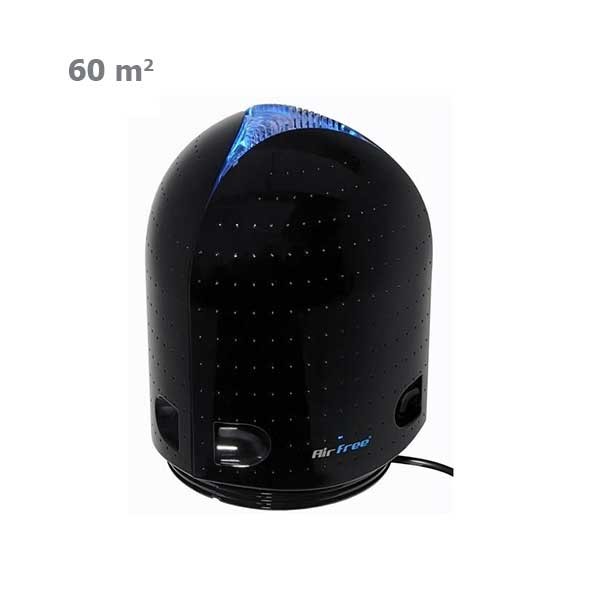
تصفیه کننده هوا رومیزی با طراحی زیبا و شیک در ابعاد کوچک تا متوسط از برندهای متنوع عرضه میگردد و می توان از آن براحتی در هر نقطه از منزل یا محل کار که دارای گردش هوای مناسبی است، استفاده نمود.

ب) دستگاه تصفیه هوا ایستاده
دستگاه تصفیه هوا ایستاده معمولاً از سایزهای بزرگتری نسبت به انواع دیگر برخوردار بوده و می توان از این دستگاه در منازل، ادارات، شرکت ها و ... استفاده نمود.
بنابراین دستگاه های تصفیه هوا مورد استفاده در منازل و یا ادارات و حتی مراکز پزشکی و درمانی، در واقع از نوع تصفیه کننده هوا ایستاده هستند.

ج) دستگاه تصفیه هوا همراه
دستگاه تصفیه هوا همراه یا گردنی با قابلیت جذب یونی می تواند بهسادگی به دور گردن شما آویخته شود و هوایی پاکیزه و سرشار از اکسیژن و یون منفی را در هر کجا که هستید و حرکت می کنید، برای فضای تنفسی شما (اطراف بینی و دهان) تأمین نماید.
تصفیه کننده هوا همراه به شما این اجازه را می دهد تا هنگام آلودگی هوا، زمانی که بسیاری از افراد بمنظور حفظ سلامتی خود از منزل خارج نمیشوند، با سلامت و اطمینان خاطر به امور روزمرهتان رسیدگی نمائید.

د) دستگاه تصفیه هوا اتومبیل
با توجه به آلودگی هوای بیشتر در خیابان ها بسیاری از افراد مایلند هنگامی که در اتومبیل خود حضور دارند از تنفس هوای آلوده شهری در امان باشند که در این صورت، استفاده از دستگاه تصفیه هوا در اتومبیل را به این گروه توصیه میکنیم.
تصفیه کننده هوای اتومبیل (مناسب خودرو) را مي توان روي داشبورد یا کنسول وسط اتومبیل قرار داد و به فندك ماشين وصل نمود يا با استفاده از باطري قلمي آن را بكار انداخت.
دستگاه تصفیه هوا اتومبیل به شما این اجازه را می دهد تا در هوای آلوده شهرها، با بهرهمندی از هوای تمیز داخل ماشین و آسایش کامل با اتومبیل شخصی خود به هر نقطه ای از شهر رفته و کارهای روزمره تان را انجام دهید.
لازم به ذکر است که دستگاه تصفیه هوای اتومبیل را نباید در معرض تابش مستقيم نور آفتاب و یا حرارت قرار داد.
همان گونه که ذکر شد، با توجه به اهمیت تنفس هوای پاک و سالم و همچنین وجود انواع آلودگی ها، ذرات معلق، دوده، گاز منواکسید کربن و گاز دی اکسید کربن در هوای شهرهای بزرگ، امروزه استفاده از دستگاه های تصفیه هوا در منازل و محل کار نه یک انتخاب، بلکه یک ضرورت اجتناب ناپذیر است.

فیلترهای داخلی و مراحل فیلتراسیون دستگاه تصفیه هوا خانگی
فیلترهای داخلی دستگاه تصفیه هوا به شرح زیر هستند:
پیش فیلتر
پیش فیلتر دستگاه تصفیه کننده هوا قابل شست و شو بوده و در صورت قرارگیری در دستگاه تصفیه کننده هوا، ذرات ریز و درشت تر نظیر پرز، موی حیوانات، ذرات معلق و ذرات آلرژی زا را جذب مینماید.

فیلتر پلاسما (ESP)
فیلتر پلاسما در دستگاه تصفیه هوا با خاصیت بار الکتریکی (الکتریسیته ساکن) جاذب ذرات معلق در هوا است.

فیلتر کربن فعال
فیلتر کربن فعال (اکتیو) در دستگاه های تصفیه هوا با سطح تماس بسیار بالا گازهای مضر نظیر فرم آلئید و H2S و NH3، انواع بوها و آلاینده های شیمیایی نظیر دود و بوی سیگار، بوی مواد شیمیایی و اسپری ها یا بوی ناشی از حیوانات خانگی و ... را جذب می نماید.
کربن دارای قابلیت واکنش با اکسیژن بوده و به همین دلیل کربن اکتیو نامیده می شود که وجود آن در سطح فیلتراسیون دستگاه، باعث جذب بالای آلایندهها میگردد.
فیلترهای کربن اکتیو بدلیل سازگاری با محیط زیست بهترین گزینه برای حذف مواد شیمیایی، گازها و بوهای نامطبوع منتشر شده در هوا هستند.

فیلتر هپا
نام فیلتر هپا از حروف کلمات High Efficiency Particular Arresting به معنی توان بالای گرفتنی ذرات تشکیل شده است.
فیلتر هپا دارای توان زدودن بیش از 97.99 درصد ذرات آلاینده هوا بوده که باعث پاکی و شفافیت هوا میگردد. درواقع با عبور جریان هوا از این فیلتر، ذرات معلق موجود در هوا گرفتار آن میشوند.
میزان عملکرد فیلتر هپا بستگی به ضخامت فیلتر و قطر فایبرهای تشکیل دهنده آن دارد.
این فیلتر در دستگاه تصفیه هوا خانگی با قابلیت جذب، باکتری، میکروب و ذرات ریزتر از 0.2 میکرون و همچنین کارایی تصفیه بیش از 97 درصد، معروف ترین فیلتر در کاربردهای بیمارستانی، اتاق عمل و اتاق های تمیز نیز به حساب میآید.

لامپ مولد اشعه ماوراء بنفش
(UV( در دستگاه تصفیه هوا لامپ UV در دستگاه تصفیه هوا با تابش اشعه ماوراء بنفش دارای خاصیت ضدعفونی کنندگی بالا بوده و میکروارگانیسمهای موجود در هوا نظیر باکتریها، ویروسها و قارچها را حذف میکند.
لامپ یووی ویروس را تا 97.6 درصد جذب نموده و با داشتن طول موج 254mm میتواند باکتریها را بطور موثری، نابود کند.

فیلتر هگا (فتوکالیست)
نامهای دیگر فیلتر هگا (فتوکالیست)، دی اکسید تیتانیوم یا کاتالیزر نوری (Tio2) بوده که از ماده نیمه رسانای دی اکسید تیتانیوم ساخته شده است.
فیلتر کاتالیزر نوری در دستگاه تصفیه هوا بهمراه لامپ UV از آخرین و پیشرفته ترین فیلترهای موجود در دنیا محسوب میشود که بهترین جاذب آلایندههای گازی شکل و بخارات شیمیایی نظیر بنزن و آلایندههای گازی شکل ناشی از خودروها بوده و مانع از فعال شدن ویروس میگردد.

فیلتر مرطوب کننده هوا
فیلتر مرطوب کننده هوا همانطور که از نامش مشخص است، وظیفه رطوبترسانی به محیط توسط تصفیه هوا را، برعهده دارد.
در فصل سرد زمستان و بخصوص در مناطقی که آب و هوای خشکی دارند، استفاده از دستگاه های تصفیه هوا در داخل منزل یا محل کار همراه با فیلتر مرطوب کننده میتواند کیفیت هوا را بصورت موثری بهبود بخشد و به تهویه هوای محیط موردنظر کمک بیشتری نماید.
وجود این فیلتر در انواع دستگاه تصفیه کننده هوا موجب رسیدن رطوبت کافی به پوست بدن و مجاری تنفسی افراد شده و علائم ناشی از خشکی هوا مانند خارش، خشکی چشم و سرفه را نیز کاهش میدهد.
لازم به ذکر است که معمولاً در بیشتر دستگاه های تصفیه هوا این فیلتر قابل شست و شو است.

مولد یون منفی
بیشتر آلاینده ها و مواد آلرژی زای معلق در هوا بصورت مثبت باردار بوده و یون منفی بصورت منفی باردار است.
این موضوع باعث میشود که یک جذب (مگنتیک) بین آلایندههای معلق در هوا به وجود بیاید که، سبب یکپارچهسازی و چسبیدن آنها بهم شده و در نتیجه باعث سنگینی آنها میشود.
این یونهای بهم چسبیده نمیتوانند بصورت معلق در هوا بمانند و بدون اینکه بتوانند آسیبی به سلامتی ما برسانند، به زمین فرود می آیند.
لازم به ذکر است که در صورت عدم تولید مرتب یون منفی این آلایندههای حجیم میتوانند دوباره به هوا بازگردند.
همچنین یون های منفی اثر جوان کنندهای بر سیستمهای فیزیولوژی بدن ما (سیستم تنفسی) نیز، دارند. وجود فیلتر مولد یون منفی در دستگاههای تصفیه هوا موجب تلطیف هوا میگردد.

- نکته : برخی از دستگاه های تصفیه هوا بجای فیلترهای هپا و هگا، دارای فیلترهای نانو پلاسما هستند که به گفته تولیدکنندگان آنها معمولاً نیازی به تعویض سالیانه ندارند.
با استفاده از تکنولوژی نانو، این فیلتر در دستگاه تصفیه هوا قابلیت جذب الکتریکی ذرات آلرژی زا و دوده هوا را داراست.
ذرات نانو یون های قدرتمندی هستند که از مولکولهای آب ایجاد شده و دارای طول عمر بالایی هستند و با جذب ذرات آلرژی زا بمنظور بوزدایی و حذف آلودگیها، توانایی نفوذ به الیاف پردهها و مبلمان و همچنین گوشه های اتاق را دارا میباشند.
ضمناً ذرات نانو از رطوبت مایع شده درونی هوا منشا میگیرند و نیازی به منبع آب بمنظور تولید آنها در دستگاه تصفیه کننده هوا نیست. در نتیجه ذرات نانو پس از تولید به وسیله مولد بهمراه جریان هوا در محیط پراکنده میگردند.
لازم به ذکر است که وجود فیلتر نانو با وجود مزایایی که به همراه دارد سبب افزایش قیمت تصاعدی تصفیه کننده های هوای مجهز به این فیلتر گردیده است.
دمـاتجهيــز ؛ هـــزاران محصـول برای هـــزاران پــروژه مهندسی و صنعتی (از سال ۱۳۸۳)
زمان تعویض فیلترهای دستگاه تصفیه هوا خانگی
یکی از مهمترین نکات در بهرهبرداری صحیح از دستگاه تصفیه هوا، توجه به زمان تعویض فیلترهای آن است.
با توجه به سرد شدن هوا از اواخر فصل پاییز و ایجاد پدیده وارونگی هوا (اینورژن) و همچنین ریزش برگهای درختان در آذرماه، عملاً تصفیه طبیعی هوا توسط برگ درختان تا پایان زمستان متوقف میگردد.
بهترین زمان برای تعویض فیلترهای دستگاه تصفیه هوا خانگی در شهرهایی مانند تهران، اصفهان و اراک همان زمان اوایل آذرماه هرسال میباشد. (فیلتر نانو نیازی به تعویض سالانه ندارد)
در صورت استفاده از تصفیه کننده هوای خانگی بمنظور جلوگیری از ورود هوای آلوده، بهتر است کلیه دربها و پنجرهها بسته باشند و از پنجرههای بدون درز UPVC استفاده نمایید.
با توجه به وجود ذرات چربی در هوای آشپزخانهها، بهتر است از قرار دادن تصفیه کنندههای هوا خانگی در مجاورت محیط آشپزخانه منزل خودداری نمایید تا ذرات چربی باعث انسداد منافذ فیلترهای مختلف دستگاه شما نگردد.
جدول مشخصات و زمان تعویض انواع فیلتر دستگاه تصفیه هوا
دستگاه های تصفیه هوا خانگی با قابلیت حمل آسان و وزن اندک، بدون اشغال فضای زیادی از محیط و همچنین بدون تولید صدای مزاحم در هنگام استراحت در طول شبانهروز با مصرف برق کم، هوای آلوده محیط را به هوای سالم و مفرح تبدیل مینمایند.
اغلب دستگاه های تصفیه هوا مجهز به تایمر و تنظیم دور اتوماتیک بوده و قابلیت تعریف خاموش و روشن شدن در ساعات مختلف شبانهروز را توسط کاربر امکان پذیر مینمایند.
لازم به ذکر است تصفیه کننده هوا هیچ تاثیری در ایجاد گرمایش و سرمایش در هوای محیط خود ندارد. با وجود اینکه فرآیند تصفیه هوا مانند گرمایش و سرمایش قابل لمس نیست و در هنگام استفاده از تصفیه کننده هوا امکان مشاهده فیزیکی بهبود کیفیت هوای محیط وجود ندارد، اما می توان جذب و حذف ذرات معلق و دیگر آلایندهها را توسط دستگاه تست کیفیت هوای Particle Counter و نیز با افزایش سلامت افراد حاضر و همچنین آلودگیهای انباشته شده روی فیلترهای دستگاه، در مدت کمتر از دو هفته براحتی مشاهده نمود.
| نوع فیلتر | جنس فیلتر | قابلیت فیلتر | قابلیت شست و شو |
عمر فیلتر |
|---|---|---|---|---|
| فیلتر اولیه (پیش فیلتر) |
توری های فلزی از جنس آلومینیوم گالوانیز | جذب ذرات جامد معلق در هوا به قطر 1 الی 2 میلیمتر | دارد | قابل سشت و شو |
| فیلتر کربن | چوب، ذغال، پوست میوه هایی مانند نارگیل یا گردو | جلوگیری از رشد قارچ و کپک و حذف گازهای شیمیایی و بوهای نامطبوع در هوا | ندارد | 1 سال |
| فیلتر هپا | کاغذ الیاف شیشه چین خورده با قالب چوبی، فلزی یا پلاستیک آب بندی شده | جذب انواع باکتری، آلودگی، ویروس، گرد و خاک و کلیه ذرات آلرژی زا و مضر موجود در هوا تا قطر 0.3 میکرون | ندارد | 2 سال |
| فیلتر یووی (UV) |
لامپ یووی (UV) | حذف ذرات بیماری زا، ویروس ها و باکتری ها و ... | ندارد | تا زمان سوختن لامپ UV |
| فیلتر هگا (فتوکالیست) | ماده نیمه رسانا دی اکسید تیتانیوم | جاذب گازهای مضر و بخارات شیمیایی همچون بنزن و آلاینده های خودرو و ... | ندارد | 2 سال |
| نانو پلاسما | رطوبت مایع شده درونی هوا با استفاده از تکنولوژی نانو | جذب الکتریکی ذرات آلرژی زا و دوده هوا با خاصیت بوزدایی | ندارد | 3 الی 5 سال |
خرید دستگاه تصفیه هوا مناسب
خرید دستگاه تصفیه هوا مناسب در شهرهایی با آلودگی هوای بالا که جمعیت زیادی هم دارند، برای تمام افراد بخصوص کسانی که در مرکز شهر و در مناطق شلوغ زندگی میکنند و افرادی که کودک خردسال دارند بسیار ضروریست.
آلایندههای موجود در چنین هوایی برای افرادی که بیماری قلبی و ریوی دارند یا افراد مسن، بانوان باردار، کودکان و نوجوانان بسیار مضر بوده و آسیبهای بسیاری را بدنبال دارد.
جهت انتخاب و خرید دستگاه تصفیه کننده هوا در ابتدا میبایست با در نظر گرفتن متراژ مکان خود، نوع دستگاه تصفیه هوا مورد نیاز را، تعیین کنید.
در مجموعه تخصصی دماتجهیز، اطلاعات فنی انواع دستگاه های تصفیه هوا از برندهای معتبر با گارانتی اصلی، جهت برخورداری شما عزیزان از حس خوب خرید بهینه و هوشمند ارائه گردیده است.
دمـاتجهیـز؛ مرکز تخصصی تأمیـن تجهیـزات تهویـه و تأسیسـات (از سال ۱۳۸۳)
قیمت دستگاه تصفیه هوا
انواع مختلفی از دستگاه تصفیه هوا با کیفیتها و قیمتهای متفاوت موجود هستند و قطعاً میدانید که یک دستگاه خوب، با کیفیت و کاربردی را نمیتوان خیلی ارزان تهیه کرد.
اما لازم نیست هزینههای بسیار زیادی هم برای خرید تصفیه هوا پرداخت نمایید، زیرا کلیه دستگاههای تصفیه هوا ارائه شده در مجموعه تخصصی دماتجهیز دارای قیمت مناسب بوده و تخفیفهای مورد نظر مصرفکنندگان در این قیمتها لحاظ گردیده است.
چرا باید از دستگاه تصفیه کننده هوا استفاده کنیم؟
دلایل ضرورت استفاده و خرید دستگاه تصفیه کننده هوا بهشرح زیر هستند:
- هرساله میلیونها نفر در جهان در اثر عوارض آلودگی هوا دچار مرگ زودرس میشوند.
- طبق تحقیقات منتشر شده در مجله علمی لانست (The Lancet Science Magazine) تنها در سال 2015 بیش از 6 میلیون نفر دراثر تنفس هوای آلوده عمدتاً در شهرهای بزرگ و آلوده جهان، جان خود را از دست داده اند!
این مرگ و میرها از طریق تنفس ذرات معلق و گاز دی اکسید کربن در هوای شهرهای پرجمعیت و مبتلا شدن افراد به انواع بیماریها مانند آسم، برونشیت، آلرژی تنفسی، تنگی نفس، افزایش فشار خون، تپش قلب و حملات قلبی یا مغزی صورت میگیرد. - براساس مطالعات طرح جامع حمل و نقل ترافیک شهر تهران، روزانه بیش از 9200 تن انواع آلاینده ها توسط عوامل مختلف آلوده کننده هوا و بخصوص اتومبیلها فقط وارد هوای تهران میگردند!
- براساس گزارش سال 2007 سازمان ملل متحد، شهرهای مهم ایران در جدول شاخص هوا در میان 133 کشور دنیا دارای رتبه 117 میباشد.
- طبق تحقیقات انجام شده توسط سازمان بهداشت جهانی، میزان مرگ و میر ناشی از آلودگی هوای تهران، تنها در سال 1392 معادل 4500 نفر بوده است که اغلب این موارد در فصل پاییز و زمستان و در اثر تنفس ذرات معلق هوا و ورود آن به ریه افراد گزارش شده است. این ذرات معلق در هوا پس از تنفس، تنها در مدت 20 دقیقه وارد سیستم گردش خون بدن هر فرد می شوند که متاسفانه انسداد عروق کرونری، افزایش فشار خون و نهایتا سکته قلبی را در پی خواهد داشت!
- بنا بر تحقیقات صورت گرفته، آلودگی هوا با سخت کردن دیواره سرخ رگ ها سبب افزایش فشار خون شده که این امر بخصوص در سالمندان و افرادی که دارای زمینه فشار خون بالا میباشند، ابتدا باعث بروز سردرد و سپس تپش قلب و سکته های قلبی و مغزی میگردد!
ضرورت استفاده از دستگاه تصفیه کننده هوا در شهرهای بزرگ
همانطور که میدانید، زندگی در کلان شهرها مشکلات بسیاری را بهمراه دارد و یکی از عمده ترین آنها آلودگی هواست.
شاید برای پاکیزه کردن هوا در سطح کلان هوای شهرها نتوانیم بسرعت عمل کنیم اما در محیطهای بسته اختصاصی مانند فضاهای خانگی، اداری و درمانی می توانیم از دستگاه تصفیه هوای مورد تأیید و کارآمد استفاده نمائیم.
بی شک همه میدانیم کیفیت هوایی که تنفس می کنیم، در سلامتی ما نقش بسیاری دارد. بهمین دلیل باید به این موضوع کاملاً عمیق و جدی بیندیشیم.
کیفیت هوایی که تنفس می کنیم موضوع بسیار بسیار مهمی است، پس بهترین کار در شهرهای بزرگ این است که با تهیه دستگاه تصفیه هوا با فیلترهای مناسب برای جذب ذرات معلق و دیگر آلودگی ها، هوای محیط اختصاصی که در آن نفس میکشیم را پاکسازی کنیم.
پس نتیجه می گیریم که در دنیای امروز نیاز به داشتن دستگاه تصفیه هوا (Air Purifier) در خانه و محل کار بیش از پیش احساس می شود. اما همانطور که میدانید انتخابهای مختلفی برای تهیه دستگاه تصفیه هوا کاربردی و ضروری وجود دارد و برای آنکه بتوانید بهترین دستگاه تصفیه کننده هوا را انتخاب کنید، لازم است تا با ویژگیها و امکانات مدلهای مختلف این دستگاه، بطورکامل آشنا شده و انواع آن را بهخوبی بشناسید.
لازم به ذکر است که آلودگی هوا سبب کاهش سطح یادگیری دانش آموزان در مدارس و دانشگاه ها شده و در محیطهای اداری نیز روی عمکلرد کارمندان، تأثیر منفی میگذارد.
نحوه استفاده از دستگاه تصفیه کننده هوا
برای آشنایی با نحوه استفاده از انواع دستگاه تصفیه کننده هوا به نکات مهم زیر توجه نمایید:
- پس از خرید و تحویل تصفیه هوا کافیست آن را از جعبه خارج کرده و در محل مناسب قرار دهید و دوشاخه دستگاه را به پریز برق متصل نمایید.
- فیلترهای برخی از مدلهای دستگاههای تصفیه هوا را باید قبل از نصب از پلاستیک محافظ خود خارج نمایید.
بنابراین قبل از روشن نمودن دستگاه درب آن را باز کنید تا از عدم وجود جلد پلاستیکی در اطراف فیلترها و خصوصاً فیلترهای کربن اکتیو و فیلتر هپا، مطمئن گردید. - محل مناسب نصب دستگاه تصفیه هوا معمولاً دور از سرویس بهداشتی، دور از آشپزخانه، عدم مجاورت با فن اگزاست یا ... است.

مزایای خرید دستگاه تصفیه کننده هوا
بطورکلی استفاده از دستگاه تصفیه کننده هوا مزایایی را بدنبال دارد و برای سلامتی افراد بسیار مفید است.
از جمله مزیتهای استفاده و خرید دستگاه تصفیه هوا عبارتند از:
- کاهش بیماری های تنفسی و آسم :
در محیطهای مختلف بخصوص اگر افراد سالمند و کودک با سیستم ایمنی ضعیف حضور داشته باشند، استفاده از تصفیه هوا مانع بروز بیماریهای تنفسی در افراد شده و با کاهش آلرژنهای موجود در هوا از ملتهب شدن مجرای تنفسی افراد نیز جلوگیری مینماید. - از بین بردن بوهای نامطبوع :
بسیاری از بو یا رایحههای که ناشی رنگ، پخت غذا، سیگار، حیوانات خانگی، کارهای اداری یا کارگاهی و ... در محیط پخش میشوند، میتوانند موجب بروز بیماریهای تنفسی و آلرژی در افراد شوند که با استفاده از تصفیه هوا می توان از این مشکل جلوگیری کرد. - حذف آلاینده ها و گازهای شیمیایی :
دستگاههای تصفیه هوا با بهرهمندی از فیلترهای مرغوب دارای قابلیت حذف موادی چون آمونیاک، کلر و فتالات در هوای محیط بوده که ممکن است براثر استفاده از انواع پاک کنندههای خانگی همچون شیشه پاک کن و ... در هوا منتشر شوند.
همچنین گازهای شیمیایی مختلف همچون دی اکسید نیتروژن و مونو کسید کربن نیز میتوانند از فضای بیرون به داخل محیطهای مختلف منتقل شده و سبب بروز بیماریهایی مانند آلزایمر و ... در افراد گردند که با تهیه دستگاه های تصفیه هوا میتوان از بروز این خطرات جلوگیری کرد.
تاثیرات آلودگی هوا در بروز بیماری های قلبی
جهت آشنایی با تأثیرات آلودگی هوا در بروز بیماری های قلبی و ... به موارد زیر، حتماً توجه نمایید:
- با توجه به تاثیرات ملموس و قابل مشاهده آلودگی هوا در افزایش بیماریهای تنفسی، قلبی، آسم و آلرژی، سینوزیت مزمن و ... در شهرهای بزرگ استفاده از دستگاههای کارآمد تصفیه هوا با ایجاد هوای پاک، سالم و مفرّح در درمان این بیماریها کمک موثری مینماید.
- در نبود تصفیه کننده هوا اعم از تصفیه هوا خانگی در شهرهای بزرگ و آلوده، هر کودک حتی در فضای بسته منزل روزانه معادل چند سیگار ذرات معلق و مواد سمی تنفس مینماید.
- آلودگی هوا در شهرها اغلب توسط آلایندههایی که از خودروها و واحدهای تولیدی و ... به وجود می آید، صورت می گیرد و از آن جایی که بیشتر این آلایندهها با چشم دیده نمی شوند، افراد نسبت به آنها کم توجهترند.
- چشم انسان قادر نیست ذرات معلق کمتر از 10 میکرون را ببیند، بنابراین بیشتر آلودگیهایی مانند باکتریها و ویروسها توسط چشم قابل رویت نیستند و میتوانند با ورود به ریه و خون افراد (از طریق تنفس) در کوتاه مدت موجب انسداد عروق، سردرد، افزایش فشار خون افراد شده و به سلامتی انسان آسیب جدی وارد سازند.
- فیلترهای تعبیه شده در دستگاه تصفیه هوا مانند فیلتر هپا، فیلتر کربن اکتیو، لامپ (UV) و ... قادر به حذف و جذب ذرات ریزی نظیر گرد و غبار، دود، مواد شیمیایی و ... هستند که با چشم دیده نمیشوند.
- برخی از تصفیه کننده های هوا نیز دارای تکنولوژی دیگری به نام الکتریک اترکشن (جاذبه الکتریکی) هستند که برای شکستن مولکولهای هوا، مورد استفاده قرار میگیرند.
پاک کنندههای رسوب الکترو استاتیک، فیلترهای الکترونیک و موّلد های یون منفی در تصفیه هوا از این روش استفاده مینمایند.
ویژگی های بهترین دستگاه تصفیه هوا
اگر یک دستگاه تصفیه کننده هوا ویژگی های زیر را داشته باشد، انتخاب مناسبی است. لطفاً به موارد زیر دقت کنید!
- مصرف برق بهینه و تولید صدای کم
- مجهز به فیلتر هپا، کربن اکتیو و پیش فیلتر
- داشتن قابلیت ضدعفونی کنندگی و ظاهر زیبا
- مجهز به سنسور تشخیص کیفیت و آلودگی هوا
- داشتن قیمت مناسب و خدمات پس از فروش (جهت دسترسی به فیلترهای جدید در زمان تعویض و ...)
محل قرار گیری و نصب انواع تصفیه هوا
یکی از سوال های پرتکرار و رایج خریداران انواع دستگاه تصفیه هوا درمورد چگونگی نصب این دستگاه است.
در جواب این سوال باید بگوییم که نصب دستگاه های تصفیه هوا بسیار ساده بوده و تنها کافیست دستگاه را در در محل مناسب (در ارتفاع 1 متری از سطح زمین و با فاصله 60 سانتیمتر از دیوار) قرار دهید.( بدین صورت که جریان هوا در اطراف دستگاه وجود داشته باشد.)
اگر منزل شما دارای شومینه باشد در هنگام آلودگی هوا، حتی در صورت بسته بودن کامل پنجرههای دوجداره UPVC، سنسور تشخیص میزان آلودگی هوای دستگاه تصفیه کننده هوا فعال شده و بصورت اتوماتیک دور دستگاه را زیاد می کند. بدین دلیل که از لوله شومینه (در صورت خاموش بودن) هوای سرد آلوده از طریق بام به داخل واحد شما منتقل میگردد!
بنابراین بهتر است دستگاه تصفیه هوا را بین شومینه و پنجره های پذیرایی خود قرار دهید!
در گروه دستگاه های تصفیه هوای مجموعه مرجع دماتجهیز که اولین (از سال 1383) و پربیننده ترین سایت فروشگاهی تجهیزات تاسیسات و تهویه مطبوع در خاورمیانه می باشد، (طبق داده های سایت جهانی Alexa.com) میتوانید با اندکی حوصله جهت مطالعه توضیحات خلاصه و جامع ارائه شده کالای مورد نظر خود را با مناسبترین قیمت (تضمین بهترین قیمت ها) و اطمینان خاطر از دریافت خدمات و گارانتی اصل و معتبر، براحتی خریداری فرمائید.
مهمترین عوامل آلوده کنندهی هوا
این عوامل عبارتند از:
- آلایندههای اصلی نظیر ذرات سرب، منوکسید کربن، دوده، ذرات معلق ده میکرونی، دی اکسید نیتروژن، دی اکسید گوگرد و ازن موجب ابتلا به آسم، بیماریهای مجاری تنفسی و افزایش عفونتهای ریوی میگردند و از منشاهای اصلی ایجاد آلودگی هوا بشمار میآیند.
- آزبست (پنبه کوهی یا پنبه نسوز) که برای تولید لنت ترمز و کلاچ مورد استفاده قرار میگیرد موجب افزایش استحکام در مقابل اصطکاک شده و یکی از عوامل مهم در ابتلا به سرطان محسوب میشود.
مدتیست که استفاده از آن در صنعت ممنوع گردیده، لذا در حال حاضر مقدار آزبست موجود در هوای کلان شهرها بعلت رعایت نکردن و عدم توجه صنایع به این موضوع بسیار چشمگیر است که سبب افزایش آلودگی هوا میشود. - احتراق ناقص سوخت یا استفاده از سوختی که کیفیت مناسبی ندارد و میزان زیاد دی اکسید کربن خروجی از اگزوز خودروها در سطح شهر با توجه به عدم وجود جریان هوای کافی، از دیگرعوامل افزایش شدت آلودگی هوا و لزوم استفاده از دستگاه تصفیه هوا در منزل و محل کار شما در شهرهای بزرگ است.
- شاید برایتان تعجب آور باشد بدانید که آلودگي هوا 30 برابر خطرناك تر از دود سيگار بوده و همانطور که میدانید علت ایجاد سرطان ریه در انسان کشیدن سیگار است. آیا تا به حال به این موضوع فکر کردهاید که چرا گاهی افراد غیرسیگاری هم در جامعه دچار سرطان ریه میشوند؟
عوامل دیگر
طبق آخرین تحقیقات علمی صورت گرفته در امریکا، رادیکال های آزاد موجود در هوای آلوده جزء یکی از آلاینده ها محسوب میشوند که عملکرد آنها در بدن انسان و تاثیرات سوئی که دارد، مشابه تاثیرات منفی تنباکو و سیگار است.
- یکی از مهمترین مواردی که باعث افزایش ذرات معلق دوده در هوای شهرها میگردد اصطکاک مداوم لاستیک اتومبیلها و موتور سیکلتها با آسفالت کف خیابان، جدا شدن ذرات دوده از لاستیکها و پراکنده شدن آنها و ایجاد آلودگی هرچه بیشتر در هوای شهرها میباشد.
- در صورت عدم استفاده از دستگاه تصفیه هوا، با استنشاق اين مواد آلاينده ميتواند در بعضی موارد فرد را روزانه در معرض چيزي حدود 30 برابر بيشتراز راديكالهاي آزاد موجود در سيگار قرار دهد.
- رادیکالهای آزاد OH با گازهای آلاینده مانند VOC واکنش نشان می دهند که از آن در بسیاری از تحقیقات بعنوان عامل سرطانزا یاد شده است. چرا که اگر این رادیکالها بصورت آزاد توسط سیستم تنفس استنشاق شوند، میتوانند خطر شکلگیری سلولهای سرطانی را افزایش دهند.
- تنفس در هوای آلوده برای کودکان خطراتی را بدنبال دارد. زیرا بدلیل تنفس از راه دهان، مقدار بیشتری از آلایندهها در دستگاه تنفسی کودکان باقی مانده و بعلت کمتر بودن قدرت ایمنی بدن آنها در مقایسه با بزرگسالان علاوه بر تاثیر منفی در رشد مغزی کودکان، امکان ابتلا به بیماریهای عفونی در آنها بیشتر از بزرگسالان میباشد.
با در نظر گرفتن موارد فوق لزوم استفاده از دستگاه تصفیه هوا در منزل بیشتر حس میشود.
نحوه انتخاب ظرفیت دستگاه تصفیه کننده هوا خانگی
در هنگام انتخاب دستگاه تصفیه کننده هوا خانگی برای منازل یا محل کار خود، علاوه بر توجه به تعداد مراحل فیلتراسیون هوا و انواع فیلترهای تعبیه شده در دستگاه، به سطح و ابعاد فیلترهای اصلی هپا و کربن اکتیو برای توانایی جذب ذرات معلق، دوده و دیگر آلودگیها نیز توجه داشته باشید.
زیرا هر قدر ابعاد و سطح فیلترهای تصفیه کننده هوای دستگاه بزرگتر و وسیع تر باشند، دستگاه مذکور توانایی تصفیه واقعی هوای بیشتری را خواهد داشت.
چنین دستگاه هایی قادر خواهند بود بطور موثرتری هوا را تصفیه نمایند و با دور و سرعت کمتر فن و سر و صدای کمتر (به دلیل ابعاد مناسب فیلترها) میتوانند هوای پاک را در اختیار شما قرار دهند.
بنابراین اگر مایلید که دستگاه انتخابی شما با صدا و دور موتور کمتری کار کند، از دستگاه های تصفیه کننده هوا که دارای ابعاد بزرگتر و مساحت فیلتر بیشتری هستند، استفاده نمائید.
دمـاتجهیـز؛ بهتـریـن قیمـت ها و برندهای معتبـر تجهیـزات تهویـه و تأسیسات (از سال ۱۳۸۳)
تفاوت دستگاه تصفیه هوا و دستگاه بخور سرد
حتما برای شما نیز پیش آمده است که تبلیغی از دستگاه تصفیه هوا و دستگاه بخور را در فروشگاهها ببینید و از خود بپرسید که، بالاخره تفاوت این دو دستگاه چیست؟ آیا این دو دستگاه تفاوتی واقعی با یکدیگر دارند؟
در جواب باید بگوییم که دستگاه تصفیه کننده هوا و دستگاه بخور کاربرد متفاوتی دارند.
دستگاه تصفیه هوا، هوای محیط داخلی را تا میزان 99% از انواع آلودگی های معلق در هوا پاکسازی مینماید، اما تغییری در سطح رطوبت محیط ایجاد نمیکند و گرد و غبار، مواد آلرژی زا، موی حیوانات، پرز، گرده گیاهان، بو، گاز و سایر آلایندههای محیط را از بین میبرد.
در حالی که دستگاه بخور فقط هوای اطراف خود را مرطوب نموده (با تبدیل آب به رطوبت) اما هوا را تمیز نمیکند و از این دستگاه برای بهبود مشکلات سلامتی مربوط به هوای خشک و همچنین کاهش الکتریسیته ساکن در منزل استفاده میشود.
همچنین استفاده از بخور خانگی در کنار یک تصفیه هوا بهترین انتخاب برای بهبود کیفیت هوا بخصوص در ماههای سرد سال محسوب شده و میتواند کمک فراوانی به حل مشکلات مربوط به فصل سرما نماید.
در صورتی که در دستگاه تصفیه هوای شما از یک فیلتر هپای استاندارد استفاده شده باشد، با جذب ذرات معلق، علائم بیماریهای تنفسی افراد کاهش یافته و سپس با مرطوب کردن ملایم محیط توسط بخور خانگی، بهبود کیفیت هوا کامل میگردد.

دستگاه تصفیه هوا غیراستاندارد چیست؟
اگر قصد بررسی و خرید دستگاه تصفیه هوا را داشته باشید، حتماً با تولیدات زیادی از برندها و مدل های متنوع از این محصول مواجه خواهید شد و شاید این دغدغه برای شما به وجود آید که آیا دستگاههای تصفیه هوا عوارض هم دارند یا خیر؟
در جواب این سوال باید بگوییم که، خیر همه ی مدلها و برندهای تصفیه هوا عوارض ندارند.
لذا در هنگام انتخاب و خرید انواع دستگاه تصفیه کننده هوا باید به نکات مهمی از قبیل برند (شرکت تولید کننده)، قابلیتها، نوع و تعداد فیلترهای تعبیه شده، گارانتی و ضمانت و ... آن ها برحسب نوع کاربری و متراژ محیط موردنظر خود توجه نمایید و فریب قیمت های ارزان برخی از دستگاههای تصفیه هوا موجود در بازار را نخورید.
چرا که در این صورت می توانید دستگاهی را انتخاب کنید تا بتواند هوای محیط موردنظر شما را بخوبی تصفیه نماید و از کیفیت مطلوب و فن قدرتمندی برخوردار باشد.
اگر به این نکات مهم توجه نکنید و تصفیه کننده هوا غیراستاندارد با قیمت ارزان تهیه نمایید، حتماً دچار مشکلات ناشی از آن خواهید شد.
عوارض یا مشکلات تصفیه هوا غیراستاندارد
- مشکلات و عوارض استفاده از انواع تصفیه کننده هوا غیر استاندارد عبارتند از:
- عدم توانایی حذف کامل بوهای نامطبوع، مواد شیمیایی، میکروب ها، آلودگی ها و ... دستگاه در محیط
- تغییر در رایحه هوای محیط و بروز مشکلات تنفسی و بیماری های آلرژیک در افراد، بدلیل تولید نامتعارف و بیش از حد مجاز یون منفی در هوا
- در دسترس نبود فیلترهای تعبیه شده در دستگاه در زمان تعویض
- تولید صدای زیاد و ناخوشایند در هنگام کارکرد
- تحمیل هزینه های زیاد و اضافی ناشی از تعمیرات و نگهداری دستگاه به کاربر
- تحریک چشمها و بروز مشکلات تنفسی مانند سرفه و تنگی نفس بدلیل عدم توانایی در حذف ذرات معلق موجود در هوا توسط دستگاه بعد از راه اندازی و چرخش هوا در محیط
سوالات متداول درمورد انواع تصفیه هوا
در این بخش به سوالات متداول رایج درمورد انواع دستگاه تصفیه کننده هوا می پردازیم:
1-تکنولوژی TSS (سیستم استریلیزه کردن ترمودینامیکی)
در این فناوری Thermodynamic sterilization system که آخرین فناوری ارائه شده در دستگاههای تصفیه هوا است، از استریلیزه کردن حرارتی توسط یک هسته سرامیکی و خاصیت مویینگی در میکروتونل های تعبیه شده در آن که تا 200 درجه سانتی گراد گرم میشوند، استفاده میگردد.
در این روش 99.9% ذرات آلرژی زا شامل باکتریها، ویروسها، مایتها، قارچها، کپکها، مو و شوره حیوانات و غیره سوزانده میشوند.
با گرم شدن هسته سرامیکی هوای آلوده با خاصیت طبیعی جا به جایی هوا به روش همرفت از داخل هسته سرامیکی عبور کرده و سپس گرمای آن گرفته شده و هوای پاک و استریلیزه به محیط وارد میگردد.
TSS یک روش فیلتراسیون نیست. چرا که بجای جذب ذرات، آلرژنها را از بین میبرد و در مقایسه با تکنولوژیهای دیگر، هیچگونه محصول جانبی مضر مانند اوزون و یون تولید نمیکند و حتی تمرکز اوزون مضر در محیط را کاهش میدهد.
از مزایای این روش می توان به بی صدا بودن فرآیند و عدم نیاز به تعویض فیلتر اشاره نمود.
2-شاخص AQI چیست؟
بطورکلی AQI (Air Quality Index) یا شاخص کیفیت هوا، معیاری جهت نشان دادن کیفیت هوای محیط است.
دستگاههای تصفیه هوا دارای صفحه نمایشی هستند که اطلاعاتی مانند سرعت فن، زمان نیاز به تعویض برخی فیلترها و کیفیت هوای محیط را نشان میدهد.
در بسیاری از دستگاههای تصفیه هوای استاندارد، ابتدای نمودار AQI حرف Unhealthy درج شده که به معنای کیفیت هوای ناسالم است.
همچنین کیفیت هوای پاک با حرف Good در انتهای نمودار مشخص شده است.
دستگاههای تصفیه هوا دارای ظرفیت های مختلفی هستند که میتوانید با توجه به بودجه خرید و متراژ محیط مدنظر، دستگاه موردنیاز خود را انتخاب نمایید.
حتماً در هنگام انتخاب تصفیه هوا به ابعاد فیلترهای دستگاه و همچنین تعداد مراحل فیلتراسیون آن توجه کنید. چراکه، دستگاه تصفیه هوا کامل باید حداقل دارای 6 فیلتر مجزا باشد.
3-برای محافظت از خود در برابر آلودگی هوا چه راهحلی وجود دارد؟
در زمان آلودگی هوا برخی ادارات، بانکها و... تعطیل میگردند و به کودکان و افراد سالخورده توصیه می شود که حتی الامکان از منزل خارج نشوند تا در معرض خطرات احتمالی ناشی از آلودگی هوای بیرون قرار نگیرند.
جهت محافظت از خود در برابر آلودگی هوا حتمأ به موارد ذکر شده زیر توجه فرمائید.

4-در زمان تعطیل شدن مدارس به دلیل آلودگی هوا چه باید کرد؟
در زمان تعطیل شدن مدارس بعلت آلودگی شدید هوا می بایست نکات مهمی را رعایت نمایید که، عبارتند از:
- استفاده از دستگاه تصفیه هوا در فضاهای بسته مانند منازل و ادارات
- کودکتان را به خرید و رستوران و... نبرید.
- از وسایل حمل و نقل عمومی استفاده کنید.
- برای دیدن دوستان و آشنایان بیرون از منزل نروید. (حتی با تاکسی)
- اگر ناچار به خروج از منزل هستید، از ماسکهای فیلتر دار استفاده نمایید.
- برای راحتی خود کودکتان را با سایر افراد خانواده به بیرون از منزل نفرستید.
- در روزهای آلوده مصرف میوه، سبزی و به خصوص مایعات را فراموش نکنید، چای سبز و شیر بنوشید.
- اگر در فضاهای باز مجبور به فعالیت هستید، قبل از خوردن غذا دستها، دهان و حتی چشمهای خود را بطور کامل شست و شو دهید.
- و به طور خلاصه حتی الامکان از خانه بیرون نروید و آلودگی هوا رو جدی بگیرید. واقعا سکته قلبی، سرطان خون و ریه در اثر آلودگی هوا شوخی نیست و حتماً آنها را جدی بگیرید.
5-هنگام آلودگی هوا باید از چه ماسکی استفاده نمود؟
امروزه یکی ازعواملی که باعث آلودگی هوای شهرهای بزرگ میگردند، ذرات معلق با ابعاد 2/5 میکرون هستند.
یکی از راههای جلوگیری از ورود این ذرات به دستگاه تنفسی انسان استفاده از ماسک های ویژه است.
ماسکهایی که دارای استاندارد آمریکایی NIOSH واستاندارد اروپایی EN149 هستند، از جمله ماسکهای مورد قبول برای فیلتر کردن این ذرات از هوای آلوده میباشند.

- هنگام نصب ماسک روی صورت تلاش کنید تا حد ممکن جلوی نشتی هوا از اطرافش را بگیرید.
- شما می توانید از برندهای شناخته شده ماسک های آلودگی هوای شهری با استانداردهای totobobo ،respro ،vogmask و 3M استفاده نمایید.

کاربر گرامی
ضمن تشکر از جنابعالی جهت اطمینانی که به نظرات فنی کارشناسان فروش مجموعه تخصصی دماتجهیز دارید، لازم به ذکر است اصولاً تعیین و انتخاب برند محصول موردنظر براساس سابقه، قدرت برند، خدمات و قیمت محصول نهایتاً توسط خریدار تعیین میگردد.
اما در زمینه انواع تصفیه هوا، اغلب کاربران و خریداران برندهای پرفروشی مانند شارپ، نئوتک، پارس خزر، جی پلاس، ایستکول، شیائومی، گرین و ... را با توجه به کیفیت، قیمت و خدمات بعد از فروش آنها انتخاب و خرید مینمایند.
چنانچه پس از مطالعه مطالب ارائه شده فوق، سوالات بیشتری جهت تصمیمگیری برای خرید دستگاه تصفیه هوا مورد نیاز دارید، میتوانید پس از تماس با مجموعه دماتجهیز و شمارههای داخلی 107 - 108 – 120 – 308 - 317 ، از کارشناسان فروش بخش تجهیزات تهویه مطبوع مشاوره بگیرید و سوالات خود را مطرح نمایید.
قیمت کلیه مدل های تصفیه کننده هوا در دماتجهیز به روز بوده و تخفیف های مورد نظر مصرف کنندگان در این قیمت ها لحاظ گردیده است.
« از دماتجهیز با اطمینان و خیال آسوده خرید کنید »


گواهینامـه ثبت علامت تجـاری + گواهینامـههای پروانـه کسـب از اتحادیـههای اصنـاف لوازم شوفاژ و تهویـه مطبـوع + اتحادیـه تخصصـی تولیـدکنندگان تجهیـزات تهویـه مطبـوع و شوفـاژ + اتحادیـه کسبوکارهای مجـازی

"حضور دماتجهیز در نمایشگاههای بین المللی تاسیسات ساختمانی و سیستمهای سرمایشی و گرمایشی از سال 1384 تا 1387"
"در صورت انجام خرید اینترنتی محصولات گروه دستگاه تصفیه کننده هوا از مجموعه تخصصی دماتجهیز، از امکان تحویل فوری یا مناسب برخوردار خواهید شد."
"مجموعه تخصصی دماتجهیز علاوه بر جواز کسب معتبر از اتحادیه صنف شوفاژ و تهویه مطبوع، دارای نماد اعتماد الکترونیکی است.
" دماتجهیز، فعالیت خود را از سال 1383 در دفتر مرکزی تهران آغاز نموده است."
"بیشتر ببینید، بهتر انتخاب کنید."

"منتظر تماس و مشتاق دیدارتان در مجموعه تخصصی دمـاتجهیــز هستیم"





سوالات متداول


دفتر مرکزی: تهران - خیابان طالقانی - بین مفتح و بهار - نبش طالبیان - ساختمان ۴۶۳
کارخانه: جاده قدیم ساوه - بعد از سه راهی آدران - شهرک صنعتی قلعه میر - خیابان رینگ کار
دماتجهیز: مرکز تخصصی و مهندسی تامین تجهیزات تهویه و تاسیسات (از سال 1383)
مجموعه دمـاتجهیـز از سال ۱۳۸۳ بهعنوان اولین و تخصصی ترین عرضه کننده تجهیزات تهویه مطبوع، تجهیزات گرمایش و موتورخانه، تاسیسات استخر، سونا، جکوزی و تجهیزات کنترل فعالیت خود را آغاز نمود. این مجموعه کامل و تخصصی با ارائه محصولات معتبر و با کیفیت بالا در 80 کتگوری و دسته بندی مرتبط، بهعنوان مرجعی قابل اعتماد برای تامین نیازهای انواع سیستمهای تهویه مطبوع و تاسیسات ساختمان در سراسر کشور ایران و حتی کشورهای خاورمیانه، عراق، ارمنستان، ازبکستان، افغانستان، آذربایجان، ترکمنستان و غرب آسیا شناخته میشود.


در مشهد نمایندگی دارید؟